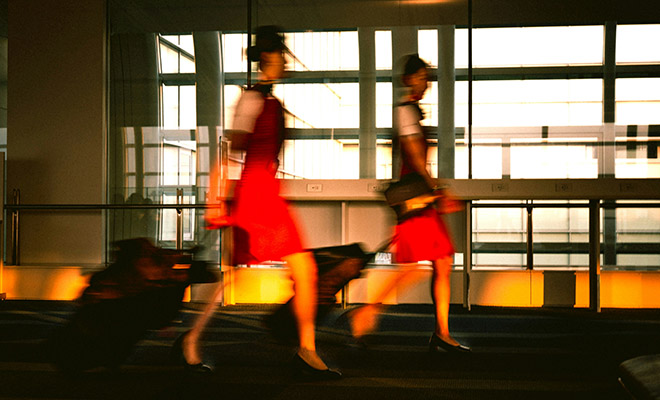
On a lot of airlines the sharpest description of a passenger is a first name. Philip. It is not affection. Crew use it for someone they would like to punch, and the word moves from one attendant to the next without ever being said to your face.

Precious is not a compliment
Precious sounds warm. In cabin slang it marks a passenger who is loud, demanding, and sure the airplane revolves around them. Once that label sticks, the service around the seat can thin out quietly. Nobody has to announce it.
Philip, the name you do not want
Philip is short for PILP: Passenger I'd Like to Punch.
Airlines that use the code do not need a longer briefing. The coffee arrives cold. The smile stays on and means nothing. Crew also skip real names in the aisle. A passenger becomes a seat and a phonetic letter, 50 Delta rather than Maria in row 50.
Good luck is the other signal
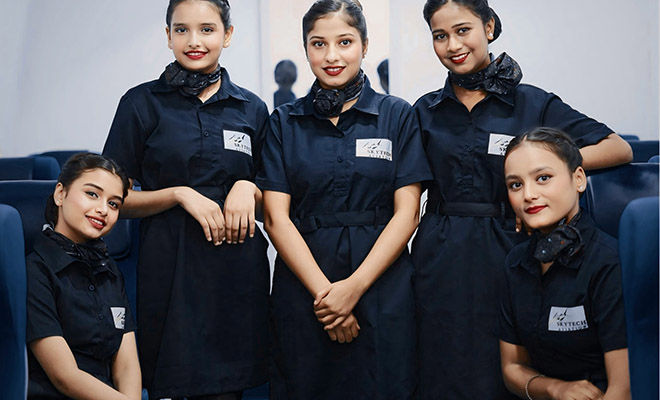
At the door, the scripted line is a version of goodbye, and we hope to see you again. A lighter "good luck" in its place is an old way for a flight attendant to show interest without breaking the rules.
On the next boarding, the talk behind the curtain is often just those labels. Only one of them is friendly, and it is not the one that sounds sweet.