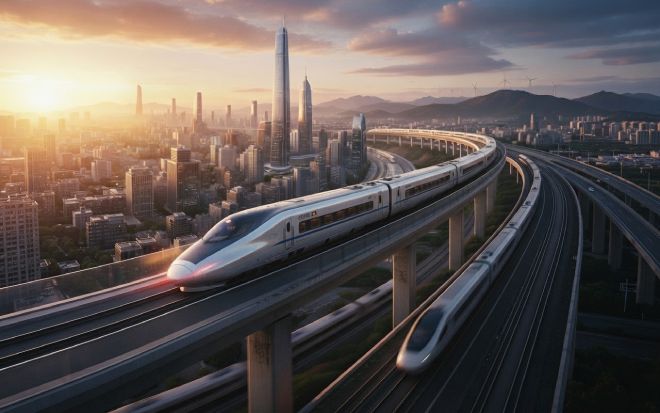
Not long ago, 300 km/h still felt almost fantastical for a passenger train. That bar is no longer enough: Japan’s maglev has hit 603 km/h, France’s TGV set the record on conventional rails, and China’s CR450 is preparing to push regular service to a new level, already quite close to jet-aircraft speeds.
CR400 Fuxing
Speed: 350 km/h
China’s Fuxing CR400 is a clear example of how a speed that once looked record-breaking becomes ordinary working pace.
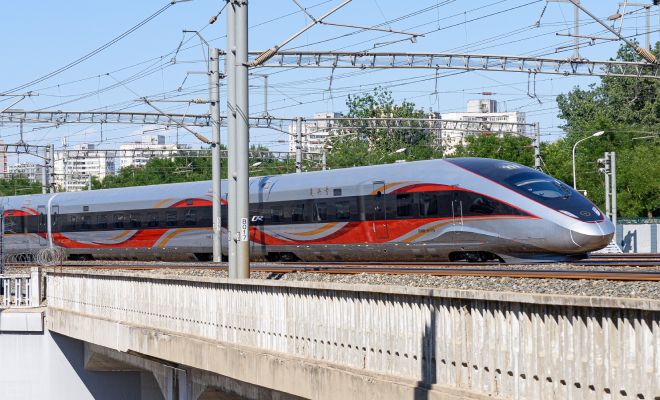
Photo: N509FZ, CC BY-SA 4.0, Wikimedia Commons
Since 2017 these trains have run the Beijing–Shanghai high-speed line at up to 350 km/h. On a route of about 1,300 km, the train can cut journey times sharply compared with ordinary rail.
Fuxing’s top speed is 400 km/h, while 350 km/h is the scheduled commercial operating speed. This is not a record run or an experimental prototype: the train really carries passengers at that pace.
This is where today’s race for the next 50 km/h begins.
Frecciarossa 1000
Speed: 360 km/h
Italy’s Frecciarossa 1000 follows a different philosophy: no magnetic suspension, only steel wheels, rails, and very serious aerodynamics.
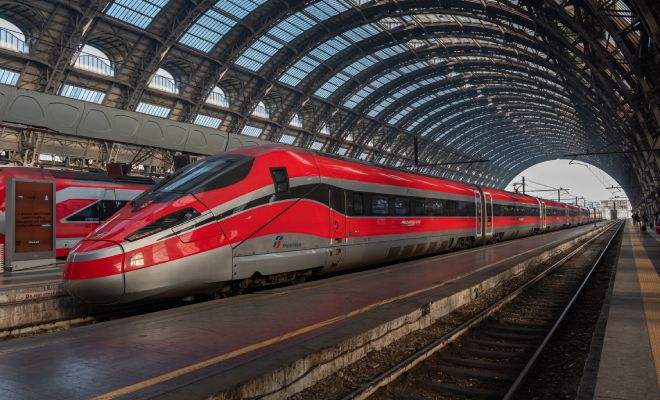
Photo: The Nikon User, CC BY 2.0, Wikimedia Commons
ETR1000 sets are rated for a commercial speed of 360 km/h, with a design maximum of 400 km/h. One train is about 202 m long and seats roughly 460 passengers.
The hardware is notable too: the eight-car set has distributed traction, 16 electric motors, and about 9.8 MW of power. It was built to work not only in Italy but on several European rail corridors as well.
For passengers this is no longer experimental kit, just a very fast everyday high-speed train.
Shanghai Maglev
Speed: up to 431 km/h
Here the technology shifts. Shanghai’s maglev does not roll on rails in the usual sense: a magnetic field holds the train above the guideway, and a linear motor drives it forward.
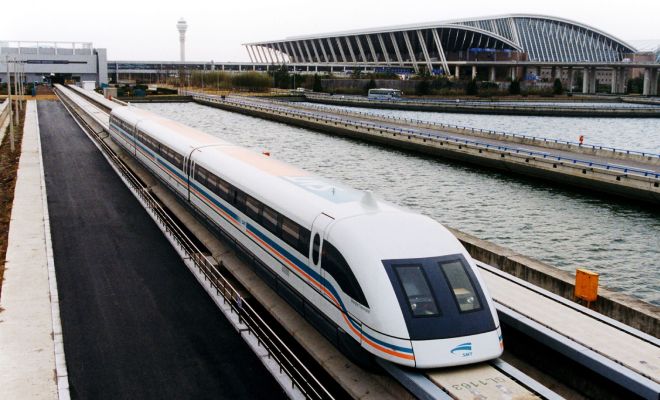
Photo: Alex Needham, Wikimedia Commons
The 30 km line between Longyang Road station and Pudong Airport can take about eight minutes. The line’s official site lists a maximum speed of 431 km/h.
Shanghai’s line opened in the early 2000s and became the world’s first commercial high-speed maglev system. That is its main difference from most record-setters on this list: magnetic levitation runs in real passenger service, not only on a test track. Still, China’s most interesting train is not in Shanghai yet.
CR450
Test speed: 453 km/h
CR450 is the main new contender. China’s next-generation train is designed for 400 km/h in service, which would clear today’s Fuxing ceiling by 50 km/h.
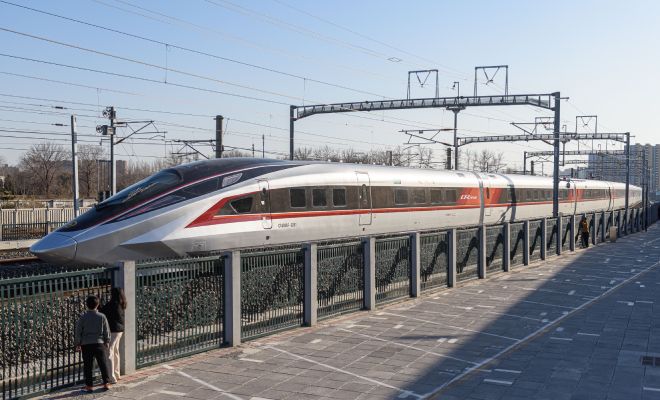
Photo: N509FZ, CC BY-SA 4.0, Wikimedia Commons
The prototype has already been pushed to 453 km/h in testing. But buying a CR450 ticket is still early: in 2026 the set is still in operational trials. As of August it still faces a program totaling 600,000 km, a full exam before commercial launch.
Engineers did not chase power alone. CR450 cuts running resistance by 22%, trims mass by about 10%, and its braking systems are built for the new speed target.
And this is where it gets interesting. 453 km/h is not yet a passenger speed. But if the trials finish successfully, 400 km/h will become the working pace of a new train generation, not a flashy number on a display during a record run.
TGV V150
Speed: 574.8 km/h
France’s TGV proved extreme speed does not require abandoning wheels. On 3 April 2007 a specially prepared V150 set reached 574.8 km/h. That result remains the world speed record for a train on conventional railway track.
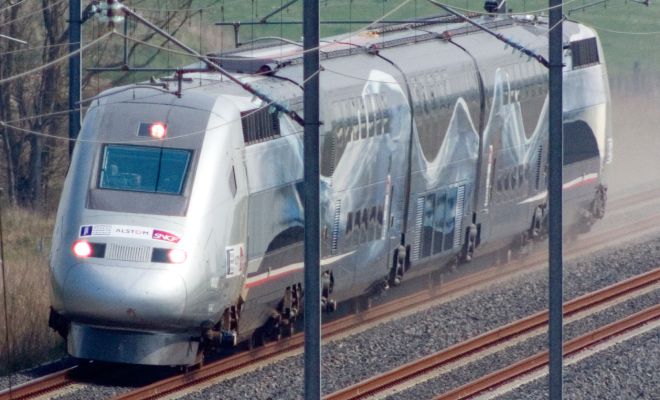
Photo: Alain Stoll, CC BY-SA 2.0, Wikimedia Commons
V150 should not be confused with a production passenger TGV. The set was prepared for the record run, and the infrastructure itself was adapted for the test.
The result was historic all the same: almost 575 km/h on steel wheels and ordinary railway track.
Today’s passenger TGVs run much slower, up to 320 km/h on the matching high-speed lines.
L0 Series
Speed: 603 km/h
The final step, and a figure that already looks almost unreal. In April 2015 Japan’s L0 Series hit 603 km/h on the Yamanashi test line, setting the world speed record for rail transport.
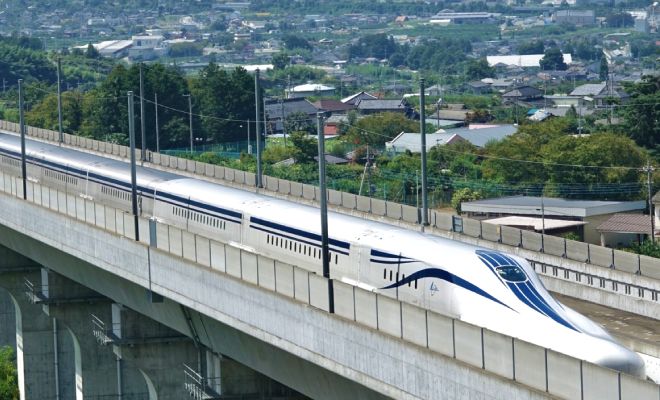
Photo: Saruno Hirobano, CC BY-SA 4.0, Wikimedia Commons
L0 is a superconducting maglev. At high speed the train moves on a magnetic system, not ordinary wheel-on-rail contact. Leaving that classic pair behind is what lets it go far beyond traditional train speeds.
But 603 km/h is again a test-set record. Japan wants to use the technology differently: the future Chuo Shinkansen line is meant to run at about 500 km/h.
The picture is curious. The fastest train in history can do 603 km/h, but the next big revolution may not come when that record is broken.
It will come when 400–500 km/h stop being numbers from a test report and become the ordinary speed at which a train leaves the station every day with hundreds of passengers aboard. That is the line CR450 is now approaching.