Selling a Chinese-brand car after a crash in Russia often means a brutal hit to residual value. On average, CNR marques lose more than half of showroom price after an accident, worse than many European brands that left the market. Auction data shows which names still have liquidity and which turn into a sunk cost after one bad scrape.
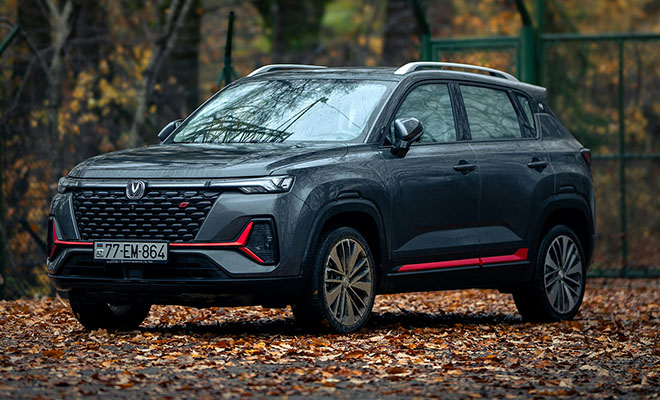
What sells on salvage auctions
Per an analytics report from the Migtorg platform, salvage sales of Chinese cars track how popular those brands were new. More showroom volume usually means more demand from flippers and breakers.
Top damaged Chinese brands by closed lots and average auction price:
- Geely absolute auction leader: 853 closed lots, average damaged price about $10,400.
- Chery second by volume: 790 cars, average about $7,100.
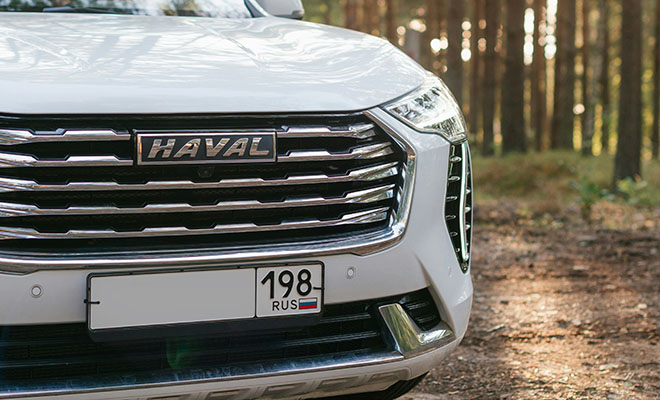
- Haval third: 534 cars, average about $8,200.
- Changan: 213 lots, average about $5,700.
- OMODA: 185 cars, average about $7,900.
- Exeed highest average among the set: 142 lots at about $12,400.
- Jetour: 98 damaged units, average about $9,400.
- GAC rare but pricey: 65 lots, average about $11,700.
- FAW cheapest average in the top ten: 54 cars at about $4,800.
- Great Wall closes the list: 41 cars, average about $9,900.
The loss math versus a new car
Stack average salvage against the same model new and the picture gets stark. Used European cars after similar incidents often lose about 40 to 45% of original price. Chinese bestsellers drop faster.
Three volume hits:
- Haval Jolion (about 59% write-down): new average around $20,000; damaged lots average about $8,200. Best residual of the three.
- Geely Coolray (about 61%): new around $26,800; salvage about $10,400.
- Chery Tiggo 4 / Pro (about 67%): the harshest residual. New around $21,700; damaged average about $7,100.
Why Chinese cars fall harder
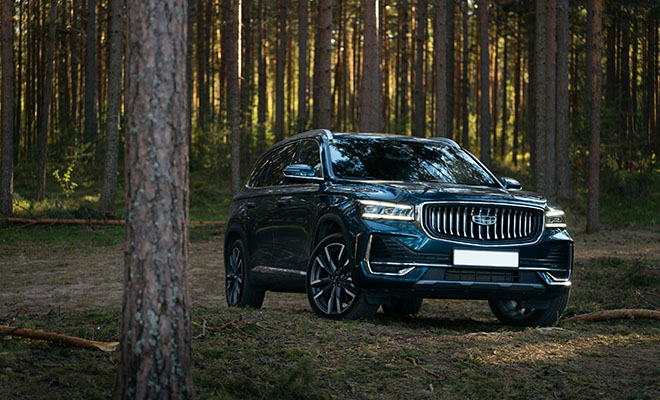
The discount tracks how hard Chinese models are to repair in Russia. Migtorg CEO Alexander Korotkov says most owners are not ready for the numbers:
Any crashed Chinese car loses about half its value on average, and in some cases nearly 70%. OEM panels, lights, and complex electronics stay expensive at official China dealers, while good non-OEM parts for fresh models are scarce. Insurers and private owners often find a full rebuild uneconomic and send the car to auction as-is.
Credit makes it worse. One bad outing and you still owe the bank on an asset that just vaporized half its price.