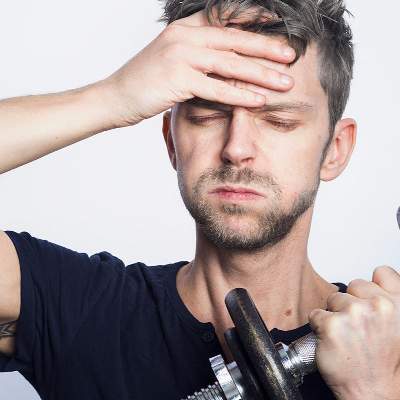
Morning runs are treated as a badge of iron discipline, while an evening gym session can look like a last-ditch attempt to salvage a day that spun out of control. There is a catch, though: later in the day, many people’s bodies are better primed for hard physical work. Does that mean you should shift training to the evening for better results? And is it true that fasted cardio helps you lose weight faster? We look at when it makes sense to train for muscle growth, fat loss, and endurance, without fitness myths or a cult of the early alarm.

From 4 to 7 p.m.: when to test your strength
If you want a concrete window, start with 4 p.m. to 7 p.m. for strength work and hard cardio. For many people, body temperature is higher in the afternoon, and muscle strength and power often peak higher than early in the morning.
That can be a convenient slot for lifting, interval work, and chasing personal records. Treating those three hours as a universal peak-efficiency window would still be an overstatement.

A systematic review with meta-analysis published in Sports Medicine – Open in 2023 found no convincing evidence that training at a specific time of day delivers better long-term fitness or health outcomes. There is reason to think, though, that test scores may be better if you train at the same time of day when you will need to perform at your best.
The practical takeaway is simple: if the goal is to improve a specific lift or sport, it makes sense to train regularly at the time you will compete. If the main job is building muscle, consistent load and solid recovery matter far more than the numbers on the clock.
Morning: discipline or sleep debt in gym clothes?
The window from 7 a.m. to 10 a.m. works for running, walking, moderate cardio, and strength sessions. Right after waking, though, the body may need more time to get ready for hard work: core temperature is usually lower than later in the day, and mobility and how ready you feel depend on the individual.
So start a morning session with a warm-up and ramp intensity gradually, especially if heavy squats, deadlifts, or interval runs are on the plan.
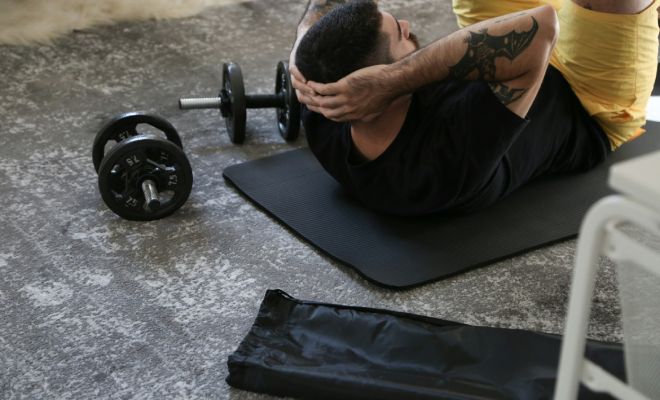
The main upside of morning training is getting it done before work tasks start multiplying. For many people, that is the most reliable way not to skip sessions. But if a run means regularly cutting sleep short, athletic discipline turns into a dubious trade.
Sleep loss hurts recovery and can cut performance. If an early alarm leaves you wrecked for the rest of the day, it is smarter to move the workout than to paper over the deficit with more coffee.
Fasted cardio: does fat melt faster?
Morning cardio before breakfast is often sold as a shortcut to visible abs. The mechanism is real: after an overnight fast, the body may burn more fat for fuel during aerobic work.
But there is a fundamental difference between how much fat you use in a single session and how much body fat you lose over several weeks.

A systematic review of fasted versus fed training found no convincing advantage for the fasted option when it comes to body weight or fat loss. The evidence base is still thin, though, so sweeping conclusions about every scenario would be premature.
For fat loss, overall energy balance, regular activity, nutrition, and recovery matter more. If fasted running leaves you weak or stops you from holding your usual intensity, there is no need to suffer hunger for a doubtful edge. If you feel fine and the routine fits, moderate fasted cardio can stay in the program.
You can train in the evening, with one caveat
Hard sessions close to bedtime make it harder for some people to fall asleep. After a workout the body needs time to settle, but the reaction depends on intensity and individual sensitivity.

So a gap of two to three hours between a hard session and sleep can be a useful starting point if evening gym visits leave you wired. It is not a hard rule for everyone: if training does not mess with sleep, there is no need to drop it just because the hour is late.
How to find your best time
Instead of an endless debate about early birds and night owls, run a simple experiment. For two weeks, try training at different hours while keeping load, food, and sleep length as comparable as you can.
Track three things: working weights or pace, how energetic you feel during the session, and sleep quality. That makes it clearer when workouts feel easier and when recovery lands better.
A starting point: try shifting strength and hard sessions to 4–7 p.m., and keep morning cardio only if it does not cost you sleep. Then adjust the schedule by your own results.
The body is not a Swiss watch, and a workout does not become useless after 9 a.m. The best time is not the one that looks good on a high-achiever calendar. It is the one where you can train consistently, keep progressing, and recover properly.