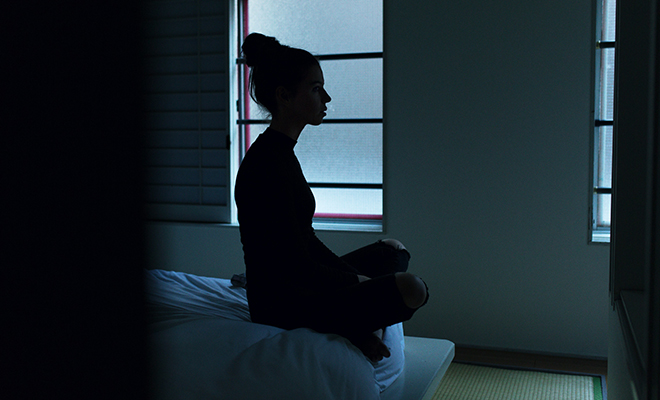
You fall asleep fine. Then 3 a.m. hits, the ceiling gets interesting, and every worst-case scenario queues up for review. Dr. Amir Khan says that pattern is biology, not a curse.

Between roughly 2 and 4 a.m., the body sits in a tricky stretch of the sleep cycle. Cortisol, the stress hormone, starts its slow climb to prep you for morning. That rise is normal. If you already live with chronic stress, anxiety, or burnout, the same nudge can shove the brain awake.
Blood sugar joins the plot. Overnight glucose can dip; after alcohol, a late dinner, or stacked stress, that dip can go sharp. The body answers with adrenaline to cover the energy gap.

That spike is why you surface with a racing heart and weird alertness. At 3 a.m. there is no inbox noise and no chores to absorb the alarm, so the brain’s threat system turns up the volume and turns small daytime worries into disasters.
When waking up becomes the problem
Brief awakenings are part of normal sleep architecture. Trouble starts when you panic about the awakening itself.
Worry feeds more stress hormones, which feeds more insomnia. Khan’s basics: cut alcohol late, park the phone before bed. If the 3 a.m. concerts become routine and wreck your days, see a clinician before anxiety owns the night.