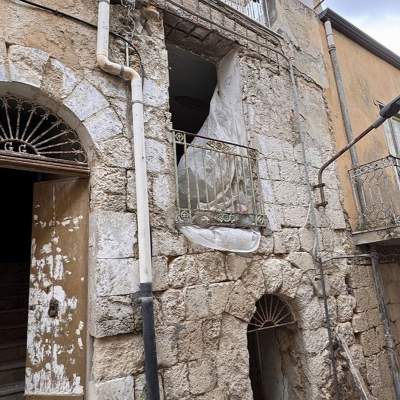
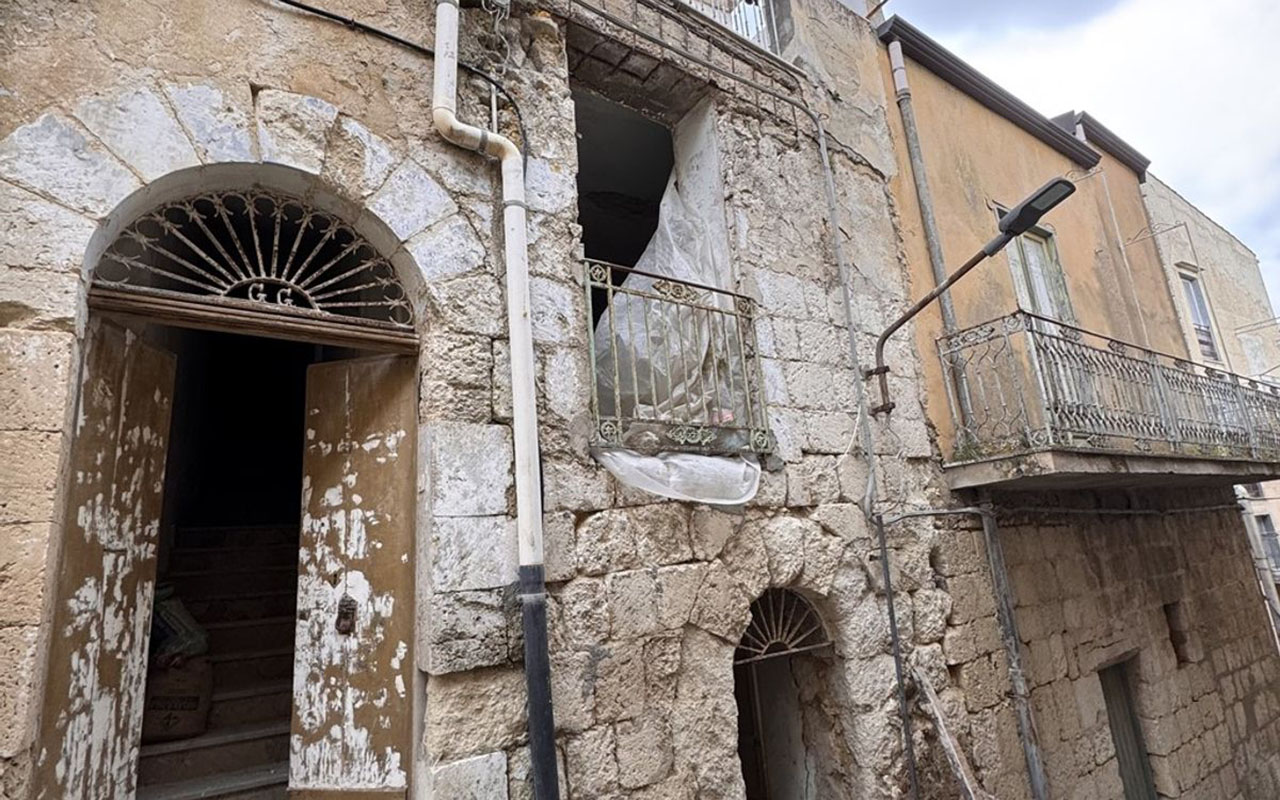
Listings for abandoned Italian houses priced like a cup of coffee light up social feeds. What do you actually get when the key turns in a rusty lock? George Laing, 32, bought in Mussomeli, Sicily, and filmed the answer behind the €1 price tag.
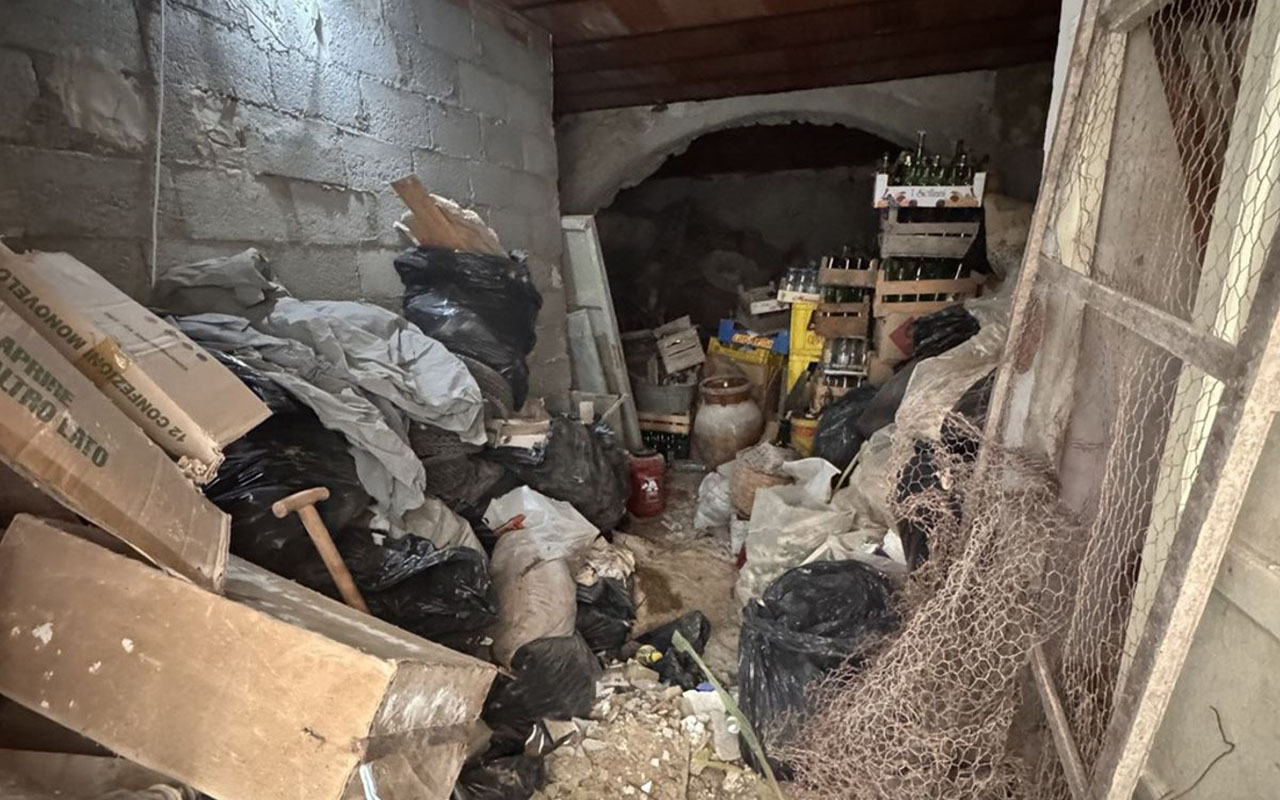
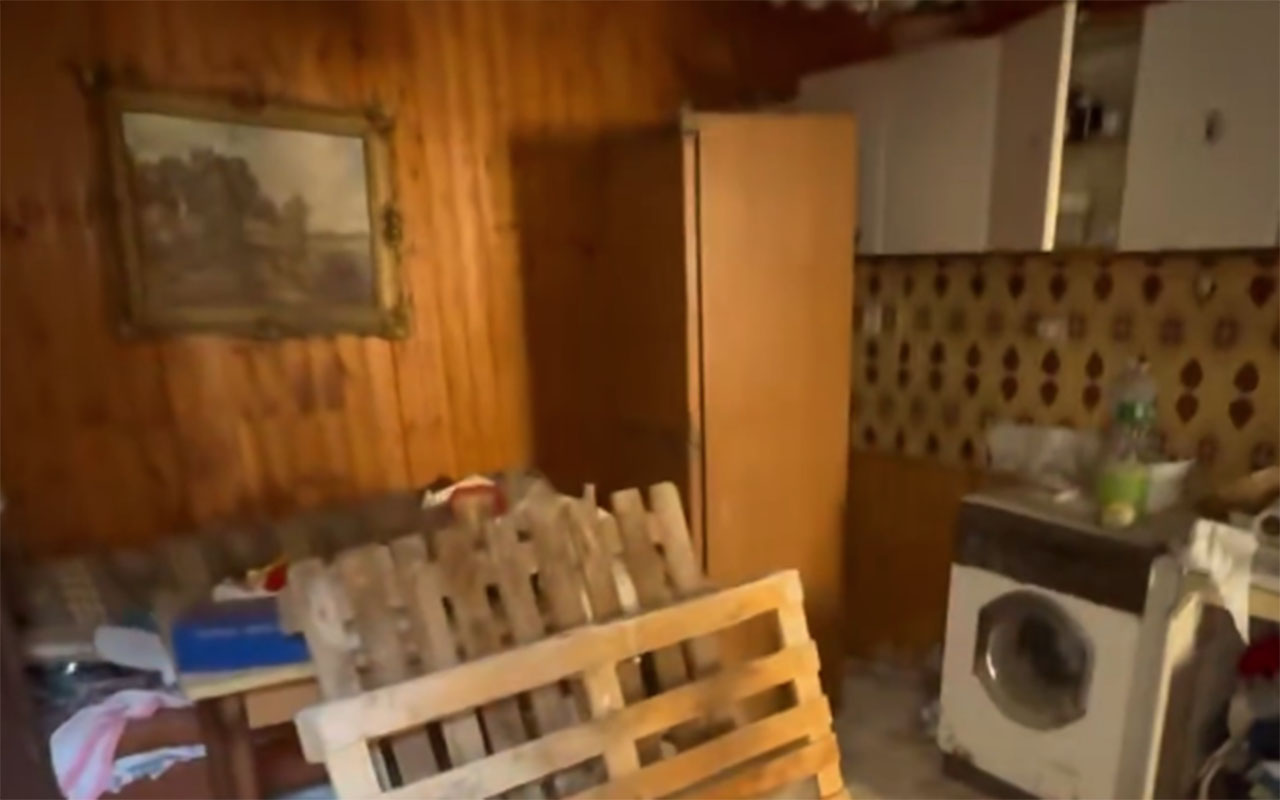
Inside, the place looks closer to a disaster set than a Tuscan dream. Old mattresses, woodworm-eaten cabinets, and black trash bags lean against rough stone and concrete-block walls. Underfoot there is rubble and broken plaster instead of terracotta. Some rooms still wear cheap 1970s wood paneling peeling off damp masonry. Ceilings open to sky in places. Live wiring hangs in loose loops. One abandoned fridge even shocked George before it went to the dump.
The kitchen is its own stress test: faded patterned tile, rusted sinks, wall cabinets that may still hold medicine or dishes from previous owners.
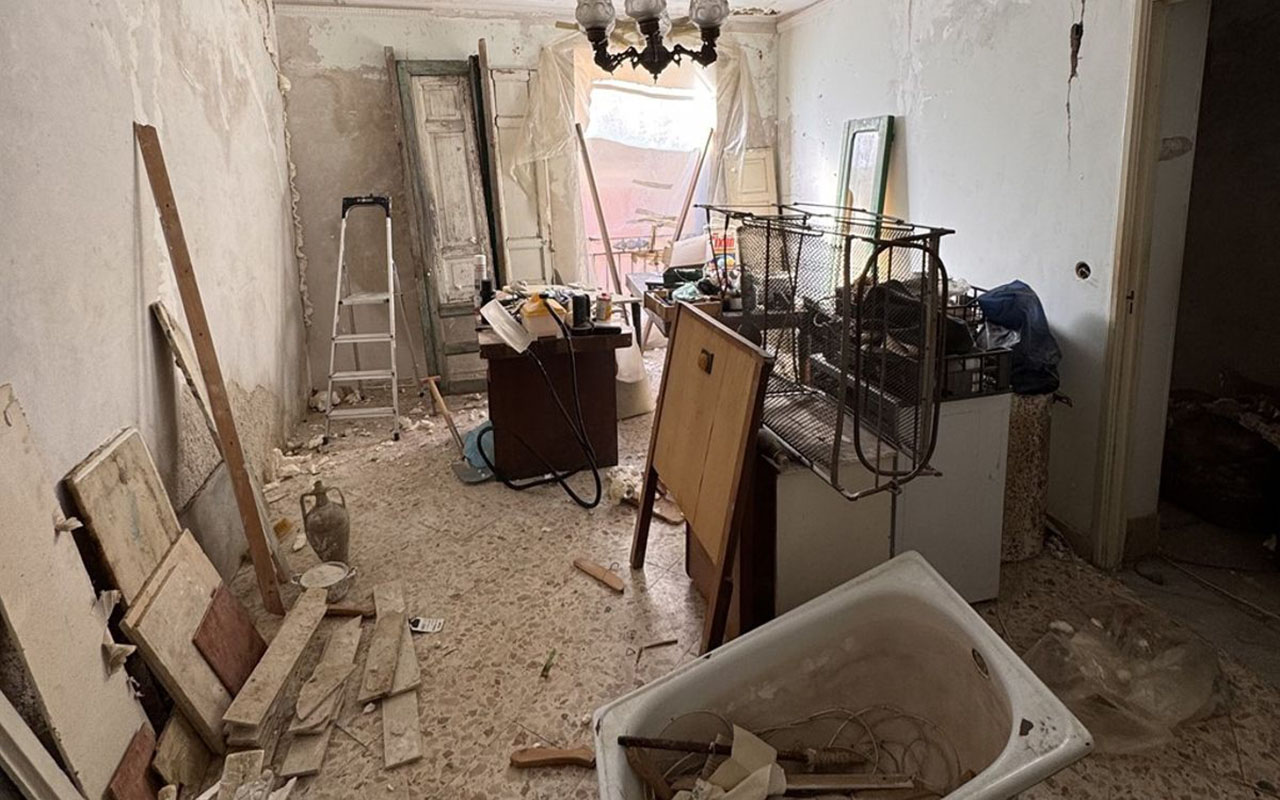
In the mess he found a locked chest and cracked it with a hammer. Inside sat a biscuit tin that paid for a chunk of the project: gold jewelry worth about £4,000. He still wears a necklace from that stash as proof the gamble started paying back before the remodel finished.
It felt like a movie scene. The house basically paid for itself with what was left inside.
What “free” really costs
Even with the find, a one-euro house is almost always a gut job: partitions out, services replaced, structure made safe.
Paperwork and an agent run about €3,500. Water and power hookups add roughly €1,000. Town rules usually force a facade fix within three years or risk a fine around €5,000.
George is renovating himself from YouTube tutorials. He has already hauled out three van-loads of trash, resealed the roof, and rewired the house. Hire pros for the full rebuild, he says, and the bill can land about five times higher than his DIY spend.