Travel stopped being a luxury; almost anywhere is reachable. The easier trips get, the more people land in places where the social-media shot does not match the ground. Some spots look like perfect sets and still pack real danger.
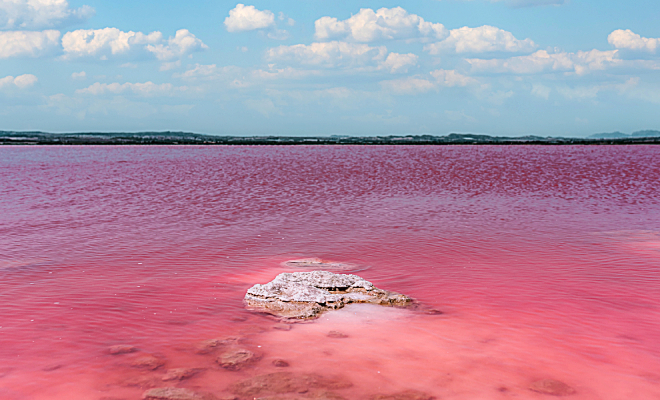
Lake Natron. Photo: HelloDavidPradoPerucha / Freepik
Lake Natron is a sharp example. Microbes that love extreme alkali often tint the water deep red and pink. pH can climb toward ammonia levels, and water can top 40°C (104°F).
Many animals die in those conditions: birds that hit the water have been found coated in mineral crust. Yet rare lesser flamingos breed here. For them it is nearly a perfect nursery, shielded from predators.
 1.jpg)
Queimada Grande Island. Photo: Marinha do Brasil, Wikimedia Commons, CC BY-SA 2.0
Queimada Grande, often called Snake Island, looks just as deceptive. Official access is closed by Brazilian authorities. Reason: one of the planet’s densest nests of venomous snakes. The golden lancehead lives here, an endemic whose venom can start tissue necrosis in hours. Biologists say density in some zones really hits several snakes per square meter, even if viral numbers are inflated.
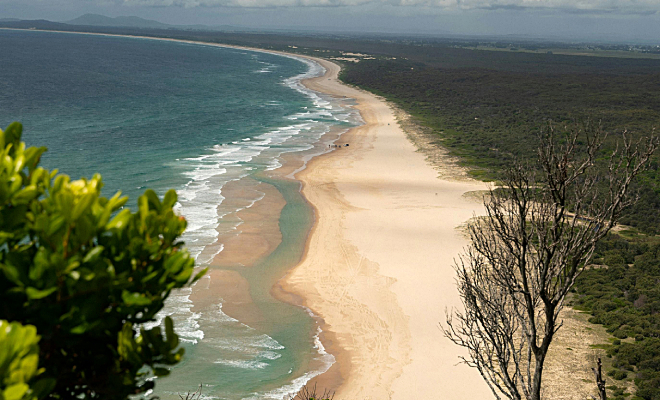
Australia’s Fraser Island (officially K’gari) is a UNESCO World Heritage beach dream. It is also one of the few islands where hazards stack at every turn: sharks and jellyfish in the water, wild dingoes on land that can turn aggressive if fed, plus rare but strong currents that can pull even strong swimmers.
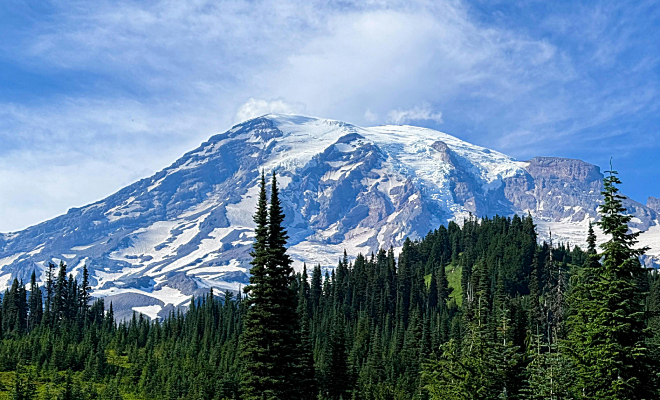
In the U.S., Mount Washington draws extreme hikers. On paper it is a peak a bit over 1,900 meters. In the 20th century it logged one of Earth’s strongest surface wind gusts (over 370 km/h), and weather still flips without warning. Temperature can crash and visibility vanish in minutes, so the climb is harder than the postcard suggests.
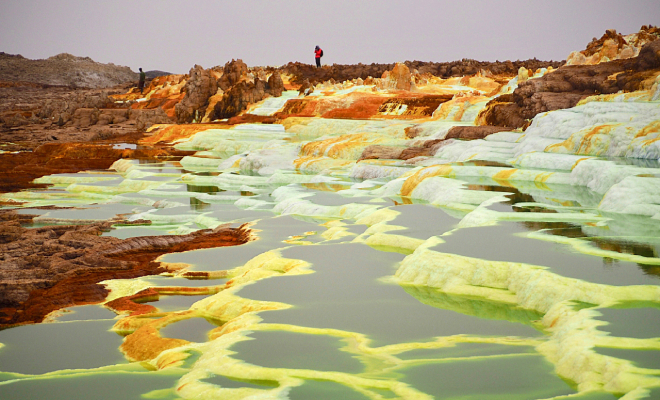
Another “alien” spot is the Danakil Depression, among the hottest places on Earth: average yearly temperatures above 34°C, with extreme spikes. Acid springs, sulfur fields, and toxic gas make a landscape that pulls and repels at once. Expedition tourism grew here, but trips still need guides and real prep.
These “dangerous beauties” keep gaining fans. International travel studies show steady demand for extreme destinations, especially among travelers aged 25 to 40. Social media helps: spectacular frames sell ease, while strict limits and real risk sit behind the shot.
The rule stays simple: the more stunning the photo, the harder you should study what sits off-frame. Sometimes the gap between a great trip and a serious problem is a few minutes of homework.