Aviation has entered the age of ultra-long-haul. Innovation is making such trips more common, but crossing the planet still means a genuine marathon in the air. Even today, the five longest commercial flights demand serious stamina—and soon routes like these will be measured in days, not hours.
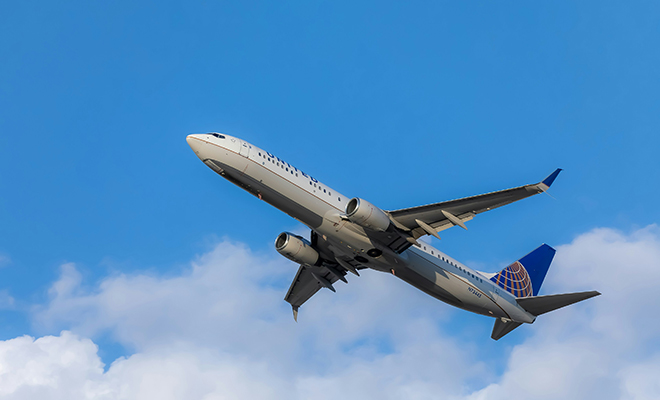
Paris–Perth: 17 hours 20 minutes
Opening the top five is Qantas's nonstop linking the French capital with Australia's west coast. A Boeing 787-9 Dreamliner covers more than 14,000 kilometers in 17 hours and 20 minutes.
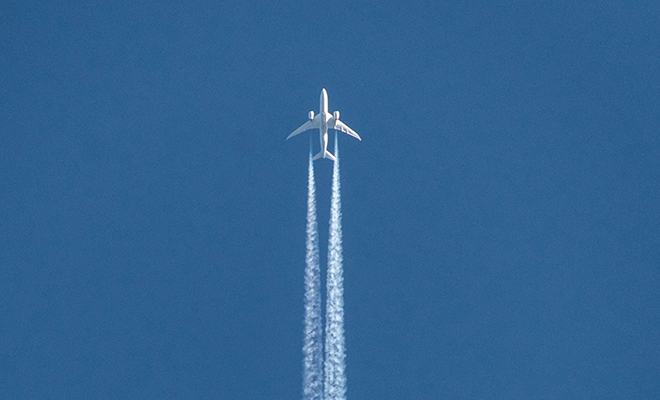
The route launched ahead of the 2024 Summer Olympics so European travelers could reach Australia without exhausting connections.
Auckland–New York: 17 hours 30 minutes
Slightly longer is Air New Zealand's transoceanic hop from New Zealand's largest city to John F. Kennedy International in New York.
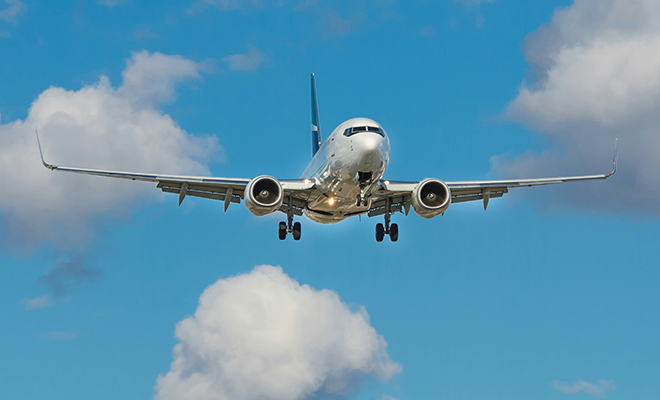
The Boeing 787-9 Dreamliner stays airborne about 17 hours 30 minutes and covers 14,200 kilometers. The route has become a favorite with American tourists and business travelers.
Singapore–New York: 18 hours 10 minutes
Singapore Airlines' regular Airbus A350-900 service gets you from Singapore to New York in 18 hours 10 minutes. The path stretches more than 15,300 kilometers across Asia, Europe, and the Atlantic.
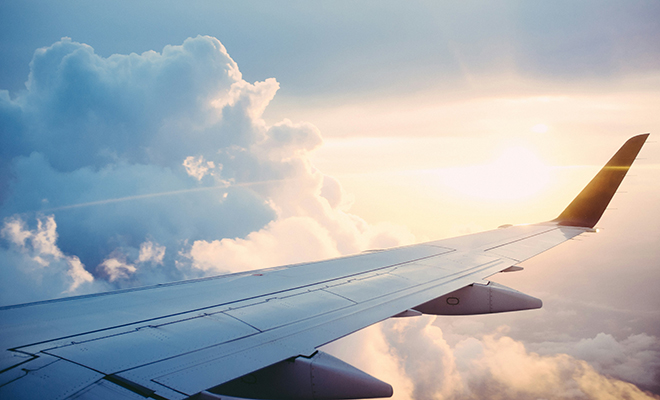
Because of the extreme range, passengers get expanded service with more time built in for sleep and rest.
Singapore–Newark: 18 hours 30 minutes
Another Singapore Airlines giant links Singapore with Newark Liberty in New Jersey. The specially modified Airbus A350-900ULR takes 18 hours 30 minutes.
The jet is designed with comfort in mind, and the cabin is split between business and premium economy.
Project Sunrise: 24 hours 24 minutes
The outright record in commercial aviation history belongs to a Project Sunrise test flight. An Airbus A350-1000ULR flew Melbourne to Toulouse in 24 hours 24 minutes. Extra fuel tanks holding more than 20,000 liters let it cover over 23,000 kilometers. Regular passenger service on the program is expected within the next few years.
Aviation tech makes it clear: the ultra-long-haul era is only getting started. Airlines are rolling out dedicated rest zones and fresher cabin-air systems so a trip halfway around the world stays safe and bearable.