Plenty of places still make even seasoned travelers cautious. German tourist Luca Pferdenges had visited 190 countries by age 22, but some trips stuck with him for the constant sense of danger, not the sights. After years on the road he described where he felt least safe, and why some regions remain among the hardest to visit.
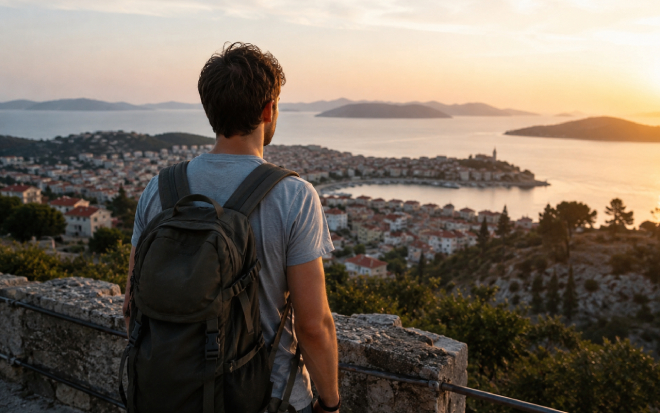
Luca’s riskiest destinations included Afghanistan, Papua New Guinea, Somalia, Yemen, Chad, Syria, and the Central African Republic. These countries regularly appear on international lists of high-threat places for foreigners because of armed conflict, crime, or political instability.
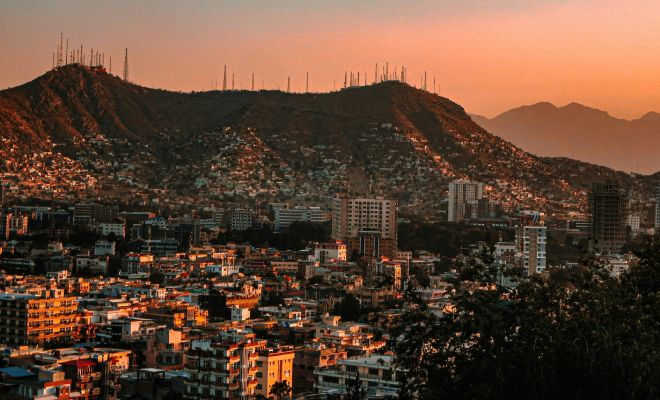
Afghanistan stood out. A few months before the change of power he worked at a circus school. One day he had to stay inside the building for hours while shooting broke out nearby. In that moment, he said, it became clear how fast an ordinary day can turn into a situation you cannot leave on schedule.
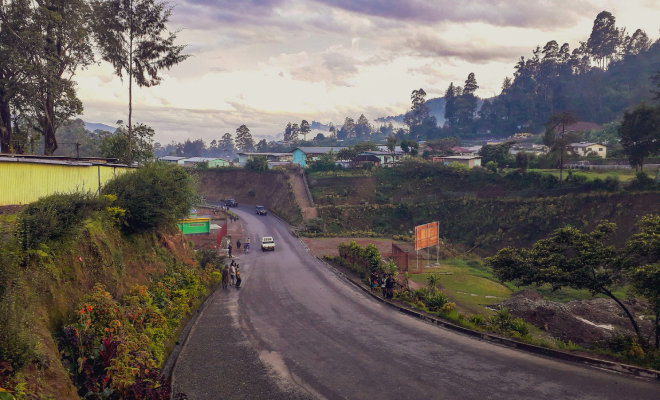
Papua New Guinea was no calmer. Port Moresby has long been called one of Oceania’s most crime-ridden capitals. Luca saw an attack on drivers: an armed group stopped cars and demanded money and phones. A police officer with him had to fire warning shots into the air to scatter the attackers.
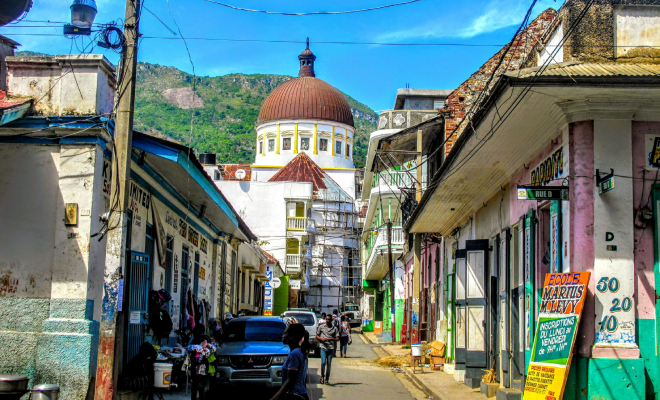
Haiti left a strong impression. He recalled neighborhoods locals avoid unless they must. Some quarters, he said, were under the control of armed groups, and the robbery risk was so high that cars barely entered.
Haiti has only gotten worse since. According to the UN, in 2026 armed gangs still control much of Port-au-Prince and key transport routes. Violence has forced more than a million people from their homes, and many governments still advise against travel there.
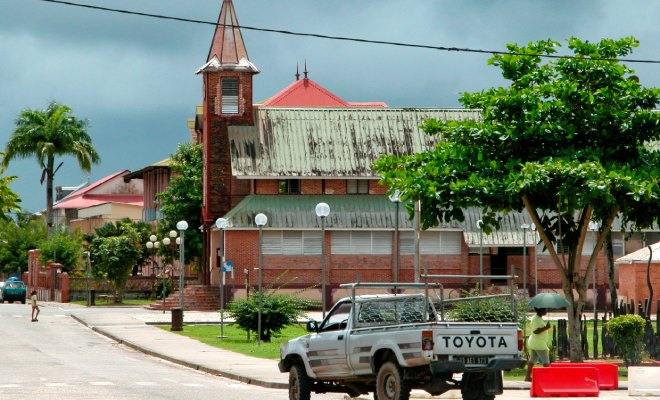
French Guiana. Photo: Psu973, CC BY-SA 3.0, Wikimedia Commons
French Guiana brought an unexpected moment: a stranger on the street demanded money. The confrontation ended only when a nearby shop owner stepped in.
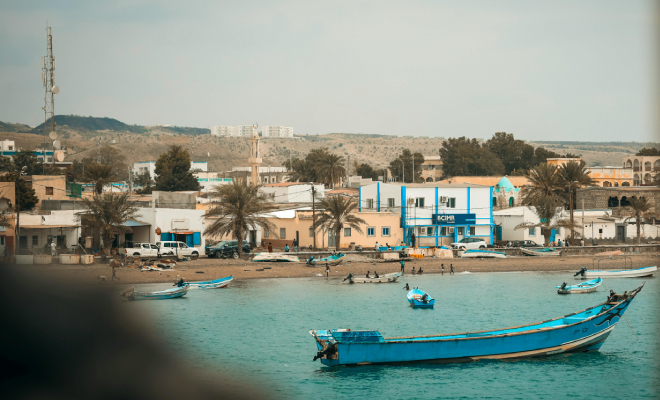
Djibouti stuck with him too. A selfie near one site drew police almost immediately. Officers stopped him and spent about twenty minutes checking his documents and photos. Later it became clear that authorities treat filming near certain state and military sites very strictly.
Many of Luca’s listed countries remain risky in 2026. Afghanistan is still among the places the US, UK, and other governments officially advise against visiting because of terrorism, kidnappings, and armed incidents.
Luca himself notes that even the most dangerous states cannot be judged only by crime or war. In many of them he met friendly people ready to help foreigners. Danger, he said, usually came not from ordinary locals but from an unstable setting that can flip in a few hours.
Despite everything, Luca keeps traveling and says the strongest experiences often wait where most tourists will never go.