In 63 years, Lamborghini has done almost everything the car world could expect of it, and a few things beyond that. It turned a tractor industrialist into a Ferrari rival, put a V12 behind the driver, invented one of the most recognizable silhouettes in supercar history, launched an off-roader with a Countach engine, and then built an SUV that became its main sales engine. Here are 13 Lamborghinis without which the brand as we know it simply would not exist.
350 GT, 1964 to 1966
It began much more calmly than modern Lamborghinis suggest. The marque’s first production car was not a wild supercar, but an elegant grand tourer.
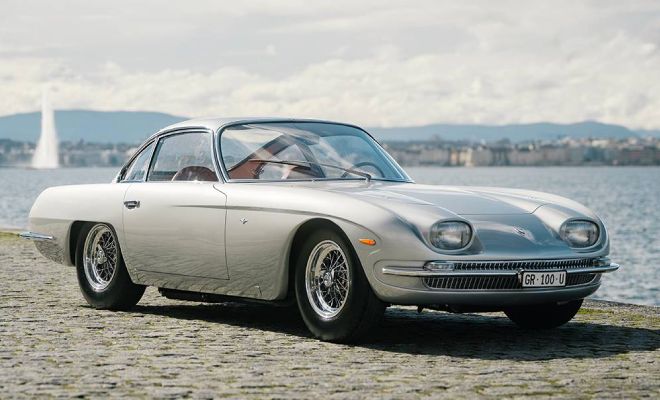
The 350 GT debuted in Geneva in 1964, just a year after Lamborghini was founded. Under the hood sat a 3.5-liter V12 with about 280 hp, and the body was built by the famous Carrozzeria Touring.
Ferruccio Lamborghini wanted a fast, expensive car that was still usable every day. The 350 GT delivered exactly that. It mattered: the young brand first had to prove it could build cars at the level of established Italian makers.
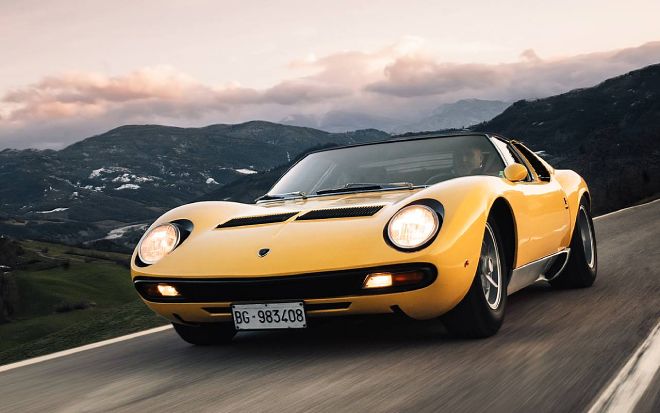
Miura, 1966 to 1973
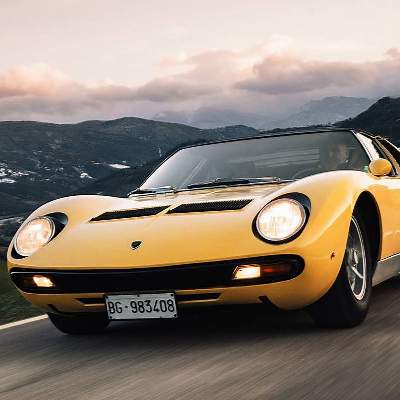
Then things got far more interesting. The Miura put the engine where road cars rarely had it: a V12 mounted transversely behind the driver. The low body, short overhangs, and proportions made it look nothing like a conventional Gran Turismo.
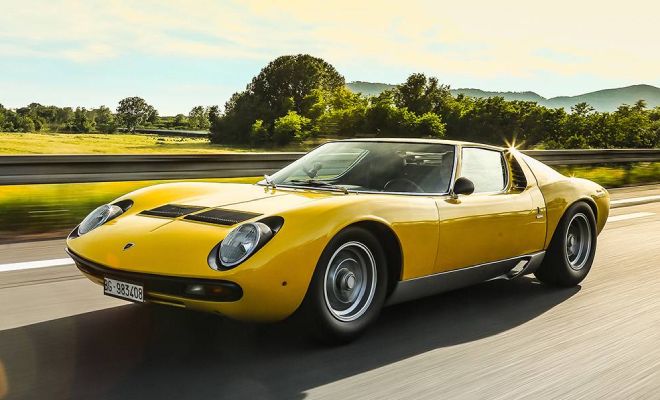
The Miura is often called the first supercar. Historically the claim is debatable, but its arrival was still one of the defining moments in the class.
In seven years Lamborghini built 764 Miuras. For today’s company that is a tiny run, but this is the car that turned Lamborghini from a new maker of expensive cars into a brand people dreamed about.
Countach, 1974 to 1990
If the Miura showed what a supercar could be technically, the Countach explained how it should look.
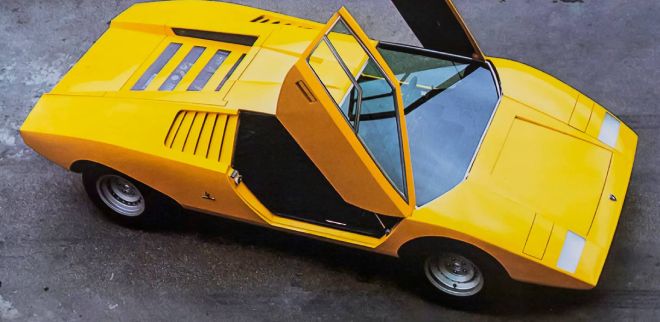
A wedge body, an impossibly low stance, huge intakes, and doors that swung upward. The Countach looked drawn for a sci-fi magazine cover, not for the road.
Yet it was a real production car. For years the Countach defined Lamborghini’s visual language. After it, the brand was expected not just to be fast, but impossible to mistake for anything else.
LM002, 1986 to 1993
Lamborghini could have kept building supercar after supercar. Instead it once decided to make an off-roader. That became the LM002: a huge four-wheel-drive machine with a 5.2-liter V12 from the Countach. It began as a military project, never reached the army, and turned into an extremely unusual civilian SUV.
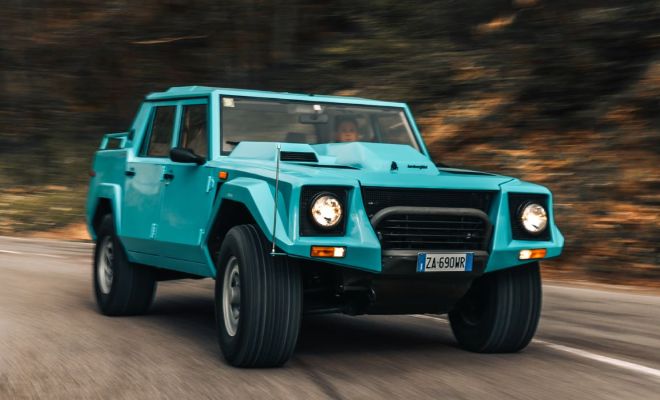
Today a Lamborghini SUV feels familiar. In the 1980s it looked almost absurd. The irony is that the LM002 became a distant ancestor of the car that, decades later, would be one of the brand’s most important models.
Diablo, 1990 to 2001
In 1990 the Countach gave way to the Diablo. The name fit the character: another mid-engine V12, capable of more than 200 mph (over 320 km/h).
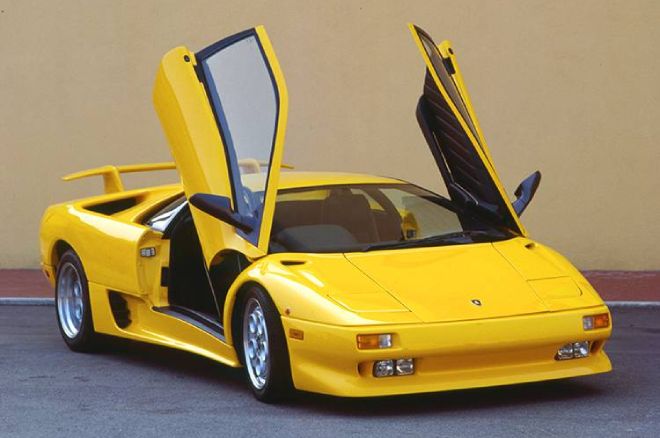
But the Diablo was more than a new Lamborghini. It was a transitional car built while the company lived through hard years and several changes of ownership.
In 11 years they built 2,884 cars. All-wheel-drive versions, a roadster, and more powerful variants arrived. The Diablo kept the Countach’s aggression while preparing Lamborghini for a very different era.
Murciélago, 2001 to 2010
That era began with the Murciélago. It was the first new flagship after Lamborghini joined the Audi Group, and it showed: the traditional V12 stayed, but engineering culture and build quality moved to another level.

The Murciélago kept the formula people had loved for decades, now on a modern technical base. In nine years the company built 4,099 cars.
Gallardo, 2003 to 2013
If the Murciélago proved Lamborghini could start a new life, the Gallardo made that life much richer.
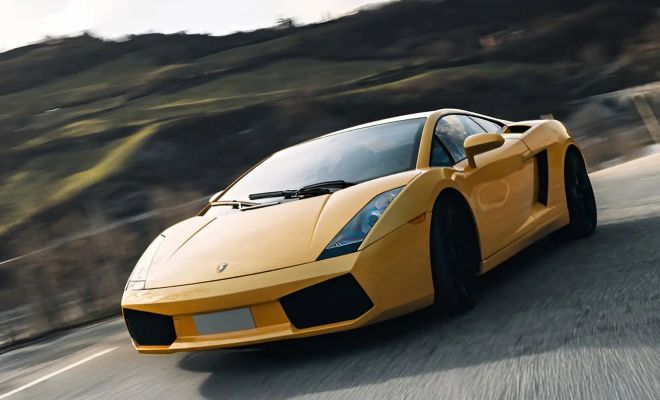
Smaller than the flagship, with a naturally aspirated V10 and a more approachable concept for its class, the Gallardo was exactly the growth car the brand needed. You could imagine it not only in a collection, but as a car people actually drove.
The result was striking: 14,022 cars in ten years. The Gallardo became Lamborghini’s best-selling model at the time and almost single-handedly changed the scale of the company’s business.
Aventador, 2011 to 2022
The Aventador arrived as the industry was already taking fuel economy, turbocharging, and electrification seriously.
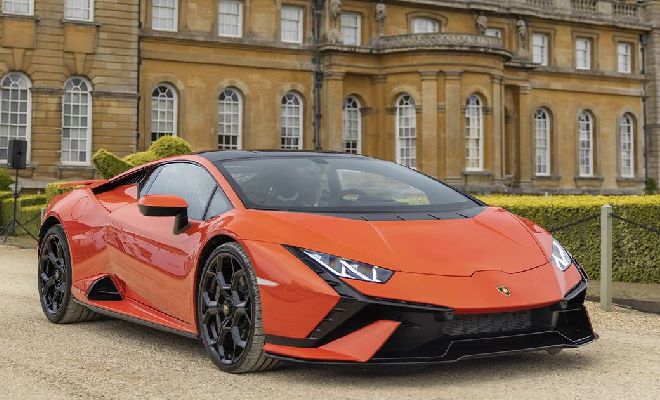
Lamborghini answered in its own way: a naturally aspirated 6.5-liter V12 with 700 hp in the new flagship.
Even more powerful versions followed, including the SVJ with 770 hp. Historically, though, the Aventador became the last new Lamborghini flagship with a naturally aspirated V12 before the hybrid era.
Huracán, 2014 to 2024
The Huracán replaced the Gallardo and continued Lamborghini’s naturally aspirated V10 story. More compact than the flagship Aventador, it kept the mid-engine layout and spawned many versions, from all-wheel drive to rear-drive and the extreme STO.

Over a decade the Huracán became one of the brand’s main models. Its place in history is bigger still: the last series-production Lamborghini with a naturally aspirated V10. After it, the company moved to a new hybrid powertrain.
Urus, from 2018
The most unexpected car on this list is also one of the most important. The Urus turned the LM002 experiment into a full business project. Instead of a rare exotic off-roader, Lamborghini got a series Super SUV with a twin-turbo 4.0-liter V8.
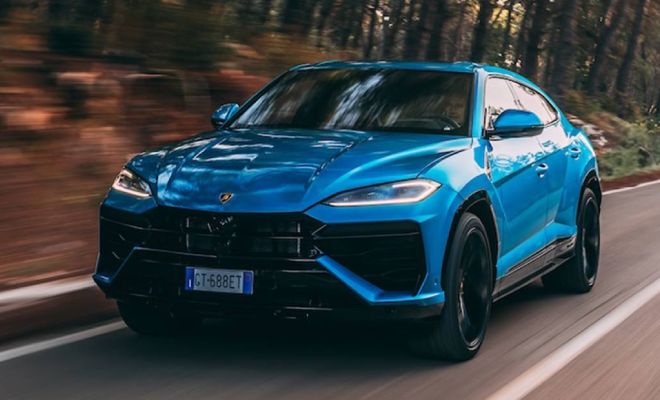
The scale of the shift shows in the numbers. In 2025 Lamborghini produced 7,265 Urus and Urus SE models out of 10,747 cars overall.
In 2024 the Urus SE arrived: a plug-in hybrid with 800 hp and 0–62 mph (0–100 km/h) in 3.4 seconds. That strange LM002 from the 1980s was not a curiosity after all, but the opening chapter of the story that led Lamborghini to its own volume SUV.
Revuelto, from 2023
The Revuelto opened Lamborghini’s hybrid era without giving up the brand’s main symbol: the naturally aspirated V12.
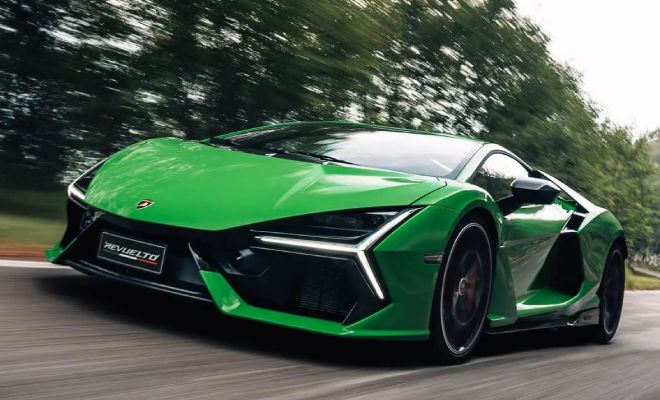
At its core remains a 6.5-liter engine aided by three electric motors. Combined output reaches 1,015 hp, and 0–62 mph takes 2.5 seconds.
It is a classic Lamborghini combination: new electric tech works with the V12, not instead of it. The Revuelto became the marque’s first series hybrid V12 and the new flagship after the Aventador.
Temerario, from 2024
The Temerario replaces the Huracán and continues Lamborghini’s mid-engine supercar line under new rules. The naturally aspirated V10 gives way to a twin-turbo 4.0-liter V8 and three electric motors. System output reaches 920 hp, with 0–62 mph in 2.7 seconds.
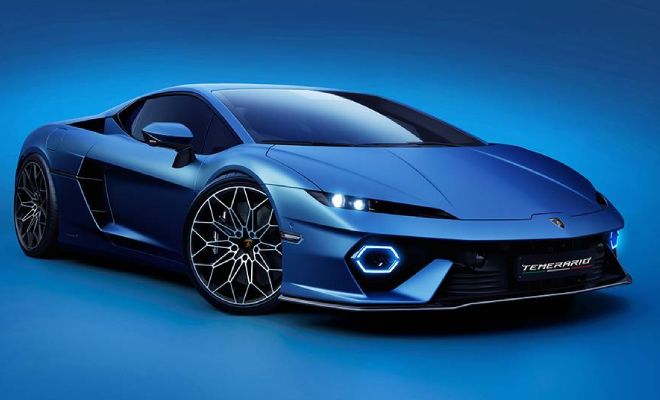
If the Revuelto kept the V12, the Temerario shows another path: the compact supercar also goes hybrid, without giving up extreme performance.
What changed by 2026
In 2025 Lamborghini showed an even rarer car: the Fenomeno. Just 29 examples got a hybrid setup with a naturally aspirated V12 and combined output of 1,080 hp.
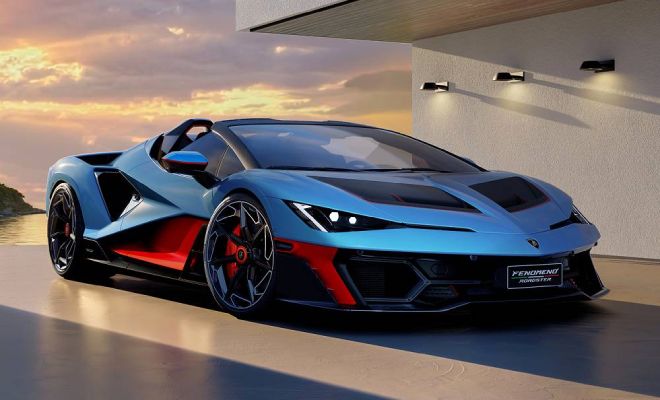
Against that backdrop, how far the brand has come from the first 350 GT is obvious. Over six decades Lamborghini survived ownership changes, crises, and several technological revolutions. Its core formula proved surprisingly durable.
First the V12, then the mid-engine layout, the wedge Countach, the V10, the Urus, and finally electric motors.
The technology changed. The character did not.