Failed cars usually vanish without a trace. A few, decades later, become cult classics. There are not many examples. Buyers of the day simply did not get a car like the BMW 507; later generations saw unique design or a bold engineering idea.
DeLorean DMC-12: from bankruptcy to screen icon
Former General Motors vice president John DeLorean's dream of a perfect, durable sports car became a production nightmare.
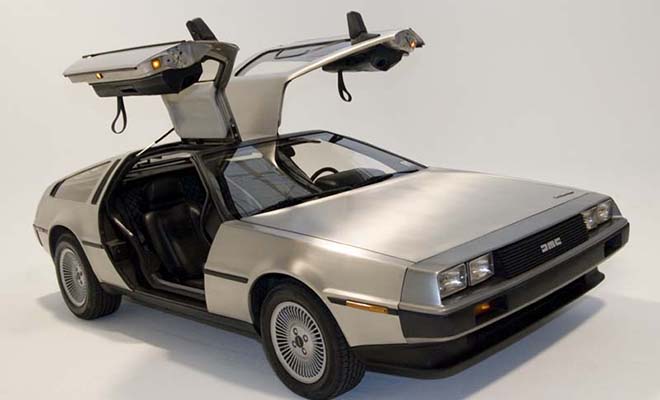
It got a weak 2.8-liter V6 with only 130 horsepower, so 0 to 100 km/h took nearly 10 seconds, very slow for a 1980s sports car. Early cars from a hastily built plant in Northern Ireland suffered poor assembly, and the price was too high. The company went bankrupt after about 9,000 cars.
Everything changed in 1985 with the Back to the Future trilogy. The unpainted stainless-steel body and gull-wing doors made the DMC-12 a defining symbol of 1980s pop culture.
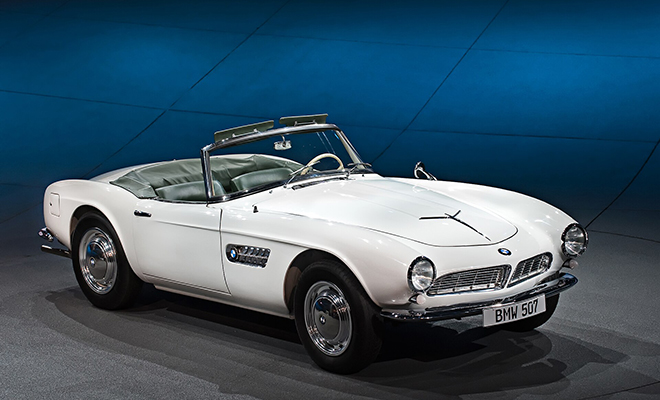
BMW 507: a flawless roadster that nearly ruined Bavaria
In the mid-1950s the German maker set out to win America with an elegant roadster for wealthy buyers. Complex hand assembly and costly materials pushed the list price from a planned $5,000 to an astronomical $10,500, serious money then. It was too expensive even for rich clients. BMW lost money on every car and built only 252 before nearing full bankruptcy.
Albrecht von Goertz's design made the 507 one of the most beautiful cars ever. Elvis Presley owned one while serving in the army. Rare survivors now sell at auction for about $2 million to $3 million.
Lexus LFA: a masterpiece with a V10
Japanese engineers spent ten years on the ideal supercar, switching the whole structure from aluminum to carbon fiber mid-project.

At launch in 2010 the $375,000 price scared buyers unwilling to pay Ferrari money for a Lexus badge. The 500-car run sat for years; some brand-new cars stayed at dealers into the late 2010s.
Experts later praised the atmospheric 4.8-liter V10 developed with Yamaha. It revs to 9,000 rpm in 0.6 seconds and sounds like a Formula 1 car. The LFA is now ranked among the best analog supercars ever built.
Plymouth Superbird: a racing showpiece
This rare muscle car was built in 1970 purely for NASCAR, to beat rivals with radical aerodynamics.
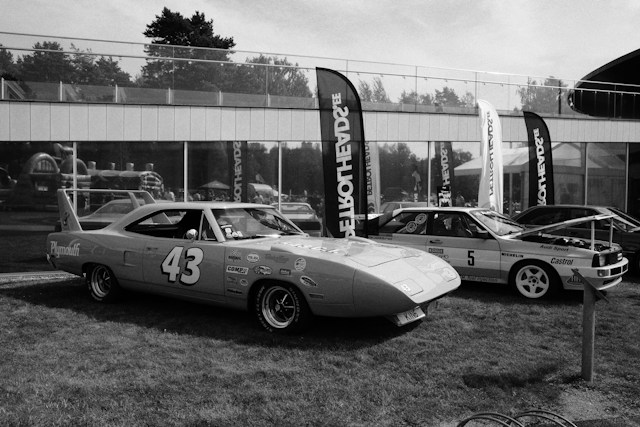
Homologation rules required at least 1,900 road versions. Ordinary buyers disliked the bulky nose cone and the giant 48-centimeter rear wing. Sales were weak; dealers often stripped the aero parts in the showroom to sell them as ordinary coupes.
Decades later the NASCAR aero wars became legend, and rare Hemi Superbirds are collector pieces worth close to a million dollars.
Pontiac Aztek: the ugliest car in history
Aztek was meant as the perfect crossover for young buyers and outdoor fans, but looks sank the project. Odd proportions, heavy plastic cladding, and complex two-level lights drew mockery. It topped every "ugliest cars ever" list overnight.
A second life and cult status came courtesy of Breaking Bad, where Walter White drove a pale-green Aztek.
Over time fans also praised the practicality: a sliding cargo floor, a removable cooler in the console, and a brand tent that mounted to the rear of the body.