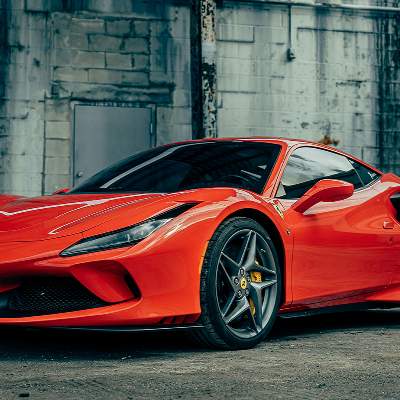
Ferrari faces a problem every carmaker would envy: demand is so high that the entire production run through the end of 2027 is already spoken for. Buyers ready to spend hundreds of thousands, even millions of euros, now have to wait for new cars until at least 2028. Maranello talks about «healthy demand in every region of the world», but the reality is sharper. Fans have been hunting five models in particular, and even the once-controversial Purosangue has sold surprisingly well.
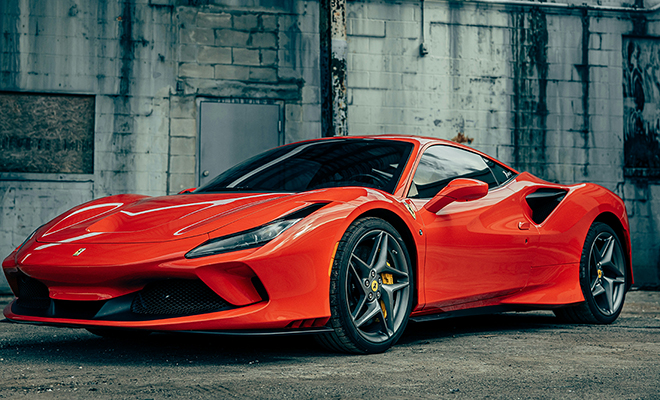
Ferrari 12Cilindri Manuale
One of the most wanted newcomers is the Ferrari 12Cilindri Manuale, built for fans of classic supercars with a naturally aspirated V12 making around 830 horsepower. That engine is treated as one of the last of Ferrari’s big naturally aspirated era, as emissions rules push manufacturers toward hybrids.
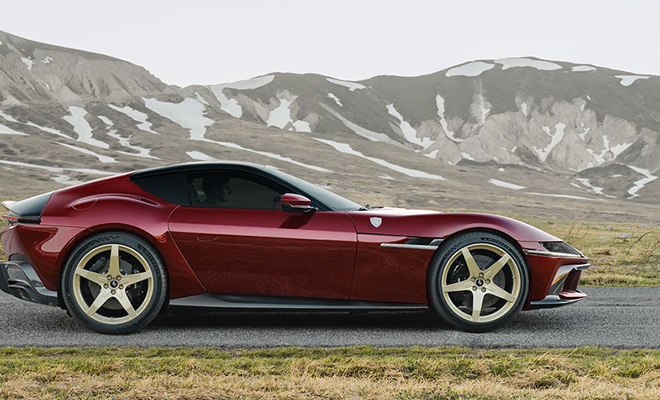
The Manuale version takes an unusual approach: Ferrari uses electronic control of the mechanical gearbox while keeping a classic shift style with a recognizable metal gate that recalls legendary Ferraris of the past.
Ferrari does not disclose how many people want this model, but special editions with a naturally aspirated V12 traditionally draw huge collector demand. Cars like these are often allocated to loyal clients before they ever reach open sale.
Ferrari Purosangue
When Ferrari unveiled the Purosangue, some brand fans met it with criticism. Many argued the company should not build anything that looked like an SUV. Yet the Purosangue unexpectedly became one of the group’s most sought-after models. Buyers liked the mix of everyday usability and Ferrari engineering DNA.
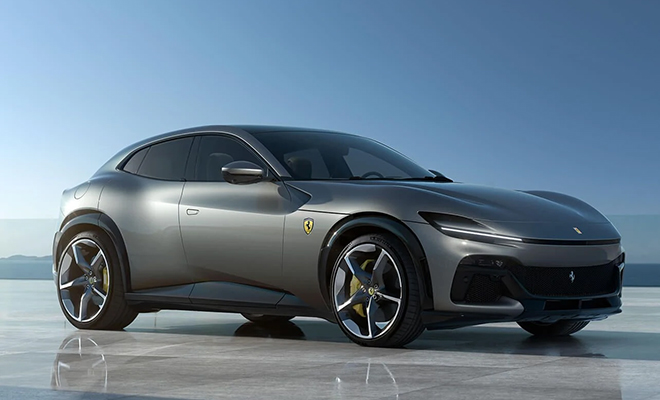
It gets a 6.5-liter naturally aspirated V12 with about 715 horsepower, all-wheel drive, and a unique four-seat cabin. Ferrari deliberately capped Purosangue output so it would not become a mass model, saying it would stay a small share of total brand volume. That limited supply is why new orders were paused at times. Existing Ferrari owners get priority; new clients wait.
Ferrari F80
The Ferrari F80 is one of the biggest automotive launches of recent years: a new flagship in the line of the legendary F40, F50, and LaFerrari.
It uses a hybrid powertrain with technology drawn from motorsport. At its core is a twin-turbo V6 backed by electric motors. Combined output exceeds 1,200 horsepower.
The F80 is not aimed even at a broad wealthy market. Its price is estimated in the multi-million-euro range, and money alone does not guarantee a buy. Ferrari traditionally picks owners of its rarest models itself. Priority goes to clients who already own several Ferraris and have a long relationship with the brand. Production will be tightly limited, so demand far outstrips supply. For collectors, the F80 is a modern bet on the future: cars like these often rise in value once production ends.
Ferrari 849 Testarossa
Bringing back the Testarossa name sparked huge interest among Ferrari fans. The new 849 Testarossa is not a direct continuation of the 1980s classic, but it uses the name as a link to brand history. It gets a hybrid setup based on a twin-turbo 4.0-liter V8 with about 1,000 horsepower.
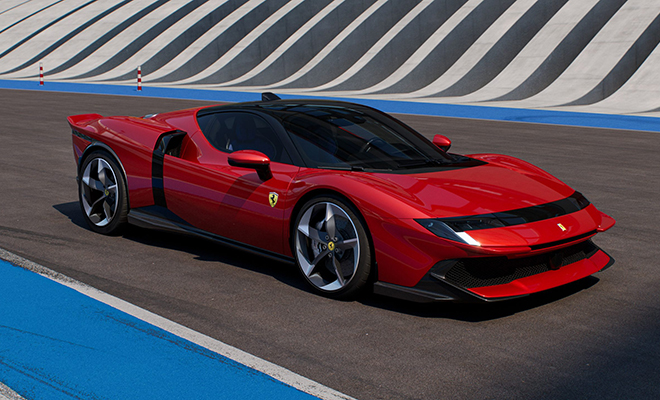
Ferrari positions the 849 Testarossa as a more extreme car than its ordinary sports models. Official order numbers are not published, but new models that replace others in the lineup are usually allocated quickly.
Ferrari 296 Speciale
Another high-demand model is the Ferrari 296 Speciale, a more aggressive take on the hybrid 296 GTB supercar. It gets a reworked powertrain, more power, and track-focused setup. The hybrid V6 system remains at the core, but Ferrari engineers cut weight and improved aerodynamics.
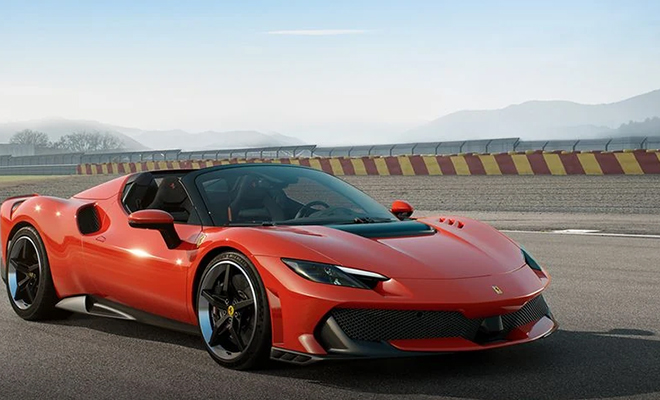
Ferrari traditionally builds such versions in limited series. For brand owners they carry special value as a step between regular models and rare collector cars.
Today Ferrari barely has a problem finding buyers. Its main job is building every car for people who already have the right to buy one. That is why new Ferraris are booked years ahead, and the rarest models become coveted before the first unit leaves the Maranello plant.