Skip the screaming coach and the fluorescent gym. A softer fitness wave is selling the same promise with pajamas, candles, and a living-room walk. Influencers call it cozy cardio: low effort movement that still helps weight, mood, and habit.

The phrase took off with Hope Zuckerbrod. Years of punishing workouts left her heavier on stress than results, so she flipped the script. Movement became a treat, not a sentence. She dimmed the lights, lit scented candles, poured coffee, and stepped onto a compact treadmill. The “lazy” clips went viral because millions were already tired of aggressive fitness culture.
What cozy cardio actually looks like
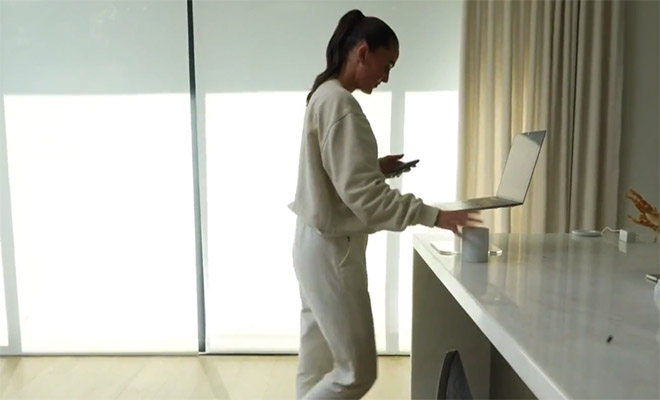
It is not only slow walking. The method builds a sensory bubble first. Overhead lights go off; string lights or salt lamps take over. Stretchy house clothes replace compression gear. Nothing should dig into the skin.
Once you step on a treadmill or stepper, keep the pace soft, roughly 1.9 to 2.8 mph (about 3 to 4.5 km/h). Breathing stays easy enough to hum along with a playlist or chat about a show. Think park stroll, not interval class.
While the legs work on autopilot, attention goes somewhere pleasant: a film, an audiobook, the candle flame. Sip through a straw. Ignore the clock and stop when comfort fades. Forty minutes often vanish because the brain no longer tags the session as threat.
Why doctors still nod along
Cardiologists see more than TikTok fluff. Dr. David Sabgir notes that a gentle start avoids the cortisol spike that scares beginners off. Easy pacing strengthens the heart and steadies blood pressure with little injury risk. Studies keep landing on a familiar number: about 20 to 30 minutes of light daily activity can cut cardiovascular risk by roughly a quarter.
Trainers such as Nick Occhipinti still warn that bodies eventually need harder work. Cozy cardio is the on-ramp for people recovering from illness, burned out, or allergic to gym stares. Zuckerbrod calls her sessions quiet joy, not combat. If a healthier heart starts in pajamas by candlelight, modern medicine has seen worse prescriptions.
For men who hate running, that list is short and practical: living-room treadmill walks, stepper sessions at conversation pace, and any low-impact loop you can stick to long enough that intensity can rise later.