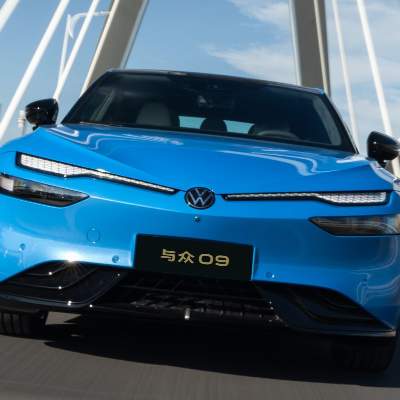
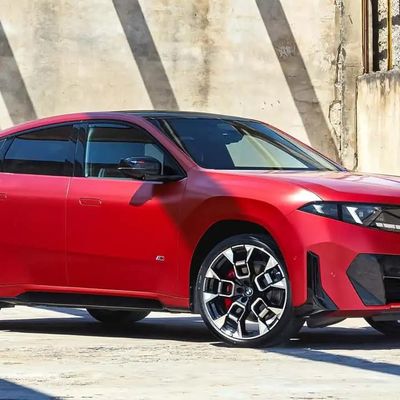
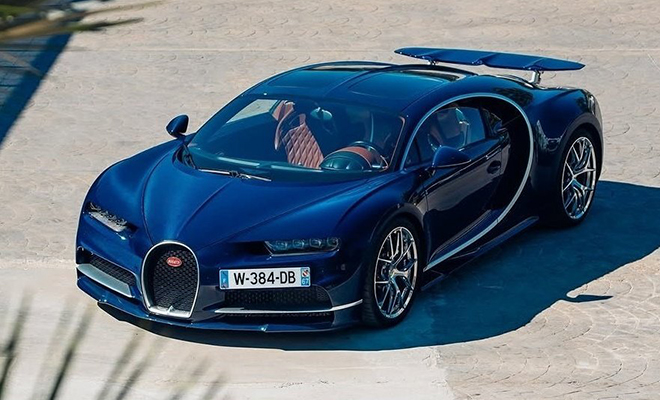
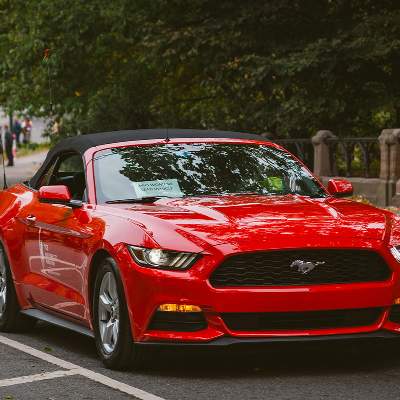
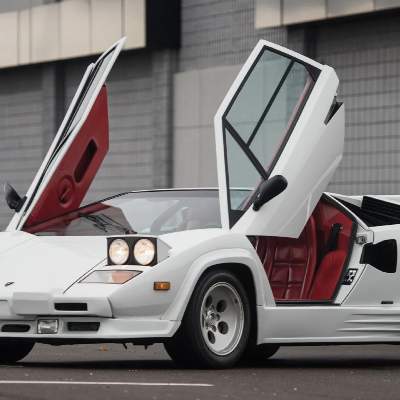
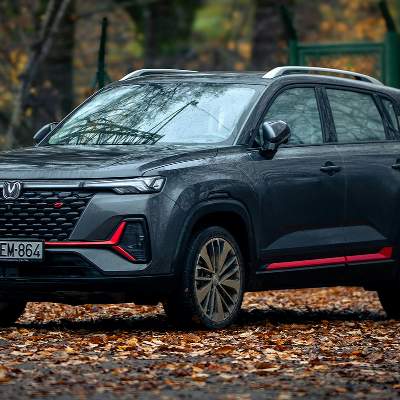
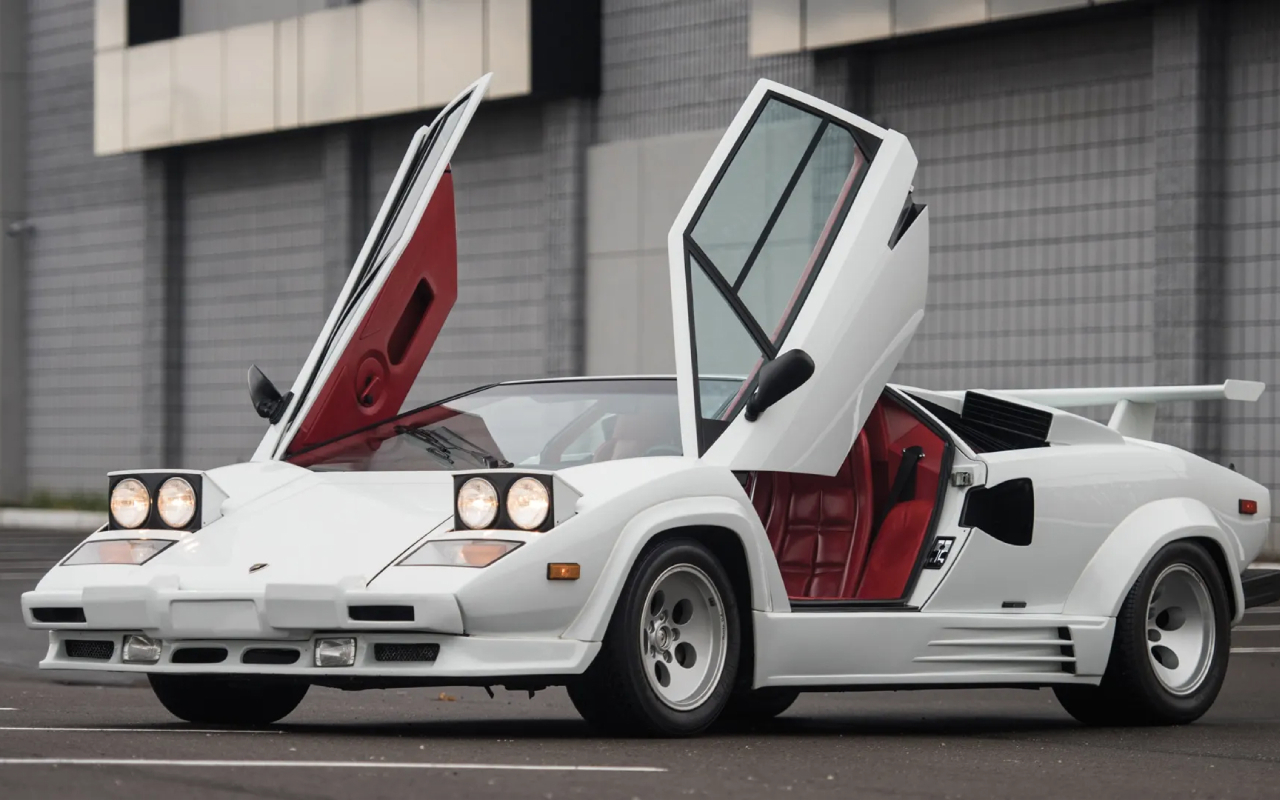
These cars once filled roads, movies, and wish lists. Everyone knew the logos; new models were awaited for years. Today there are no dealers, no next generation, and no future, only a closed chapter.
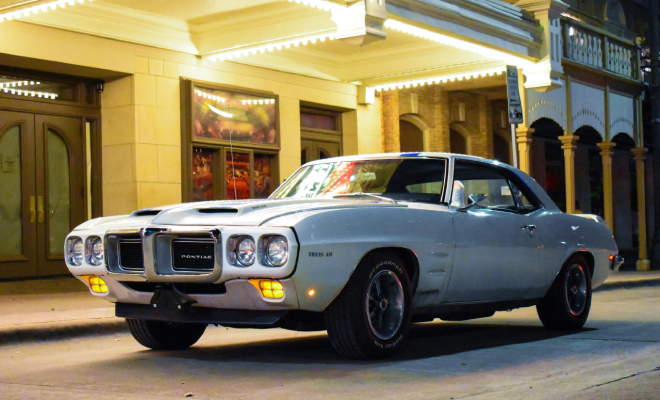
The odd part: many did not die because the cars were bad. They simply stopped fitting a market ruled by margins, platform sharing, and corporate strategy.
Pontiac: American muscle that did not fit the new era
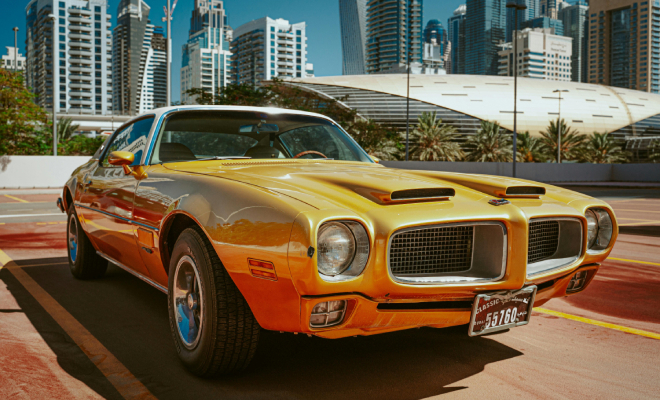
For years Pontiac meant emotional cars. The brand gave the world the cult GTO and Firebird, icons of the muscle era.
By the 2000s demand for hot coupes was fading, and General Motors was pruning badges. After the 2008 crisis the call was final: in 2010 Pontiac left the market.
Oldsmobile: a pioneer that lost its place
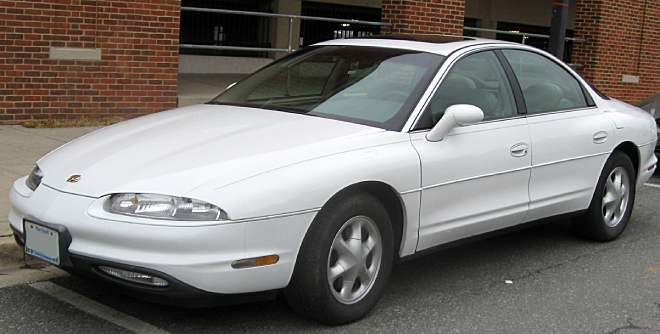
Oldsmobile dates to the nineteenth century and helped invent mass car making. Inside GM it long read as techy and upscale. Over time it was neither mass enough nor premium enough. GM shut it in 2004.
Plymouth: the people’s Chrysler with no room left
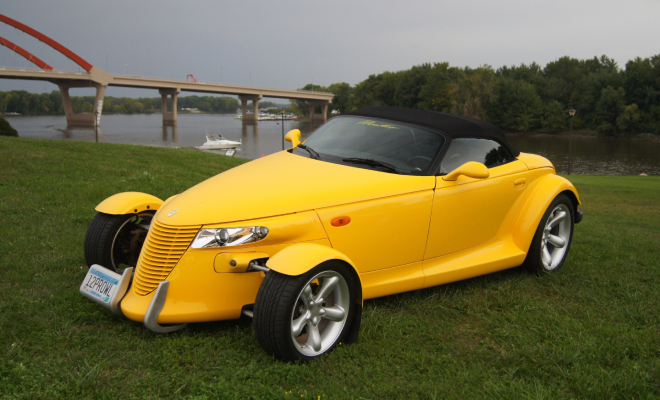
Plymouth was Chrysler’s accessible badge: simple, solid, easy to understand. As the group cut overlapping marques, production stopped in 2001.
Mercury: the middle rung between Ford and Lincoln
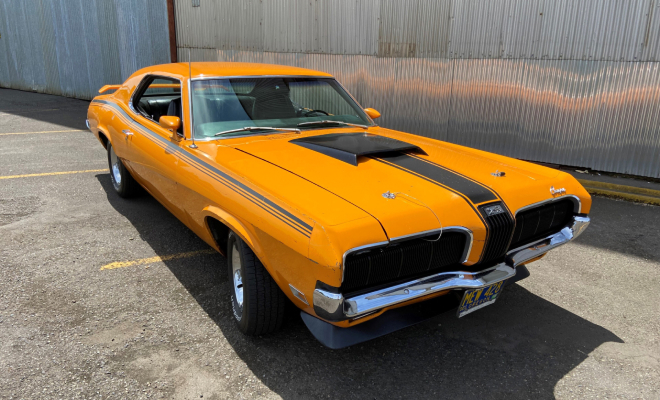
Mercury was meant as a bridge from mainstream Ford to Lincoln. The idea worked for decades until buyers either saved hard or jumped straight to premium. The middle collapsed. Ford closed Mercury in 2011.
Saturn: the “different dealership” that could not compete
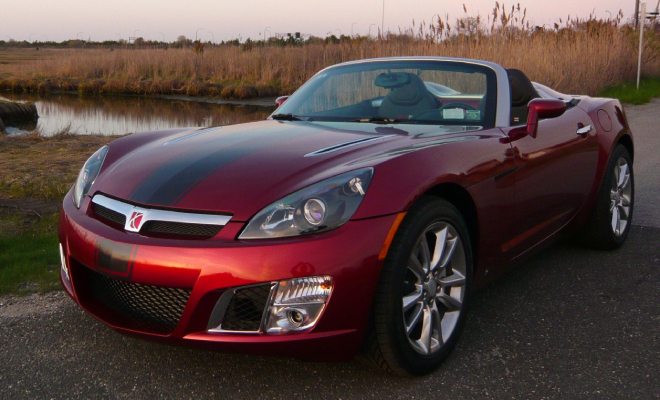
Saturn launched as a GM experiment: fixed prices, no haggling, friendlier service. It looked radical for a while. Inside GM it bled money and duplicated other lines. In 2010 the story ended.
Eagle: a badge without a face
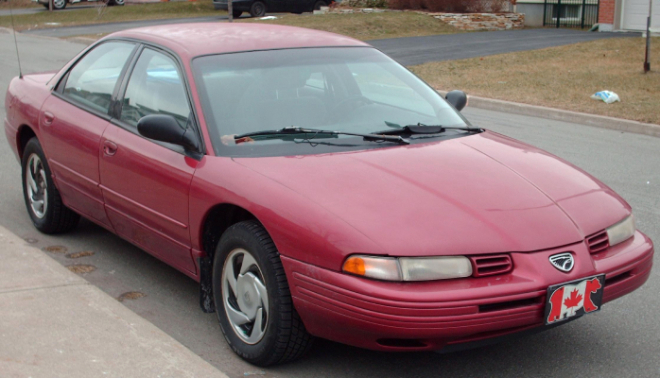
Chrysler built Eagle to gather mixed engineering under one name. It never found a clear identity, neither mass nor cult. It died in 1998 with no sequel.
Scion: Toyota’s youth lab that outgrew itself
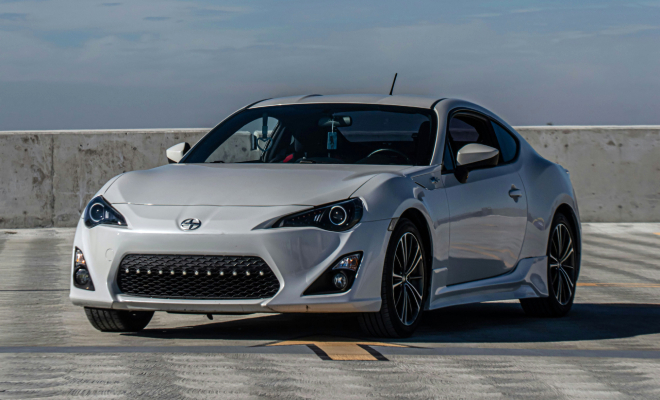
Scion answered young buyers with simple cars, customization, and lean trims. Toyota later refreshed its own lineup enough that a separate brand lost the point. Scion closed in 2016; models folded back into Toyota.
Holden: the end of an Australian school
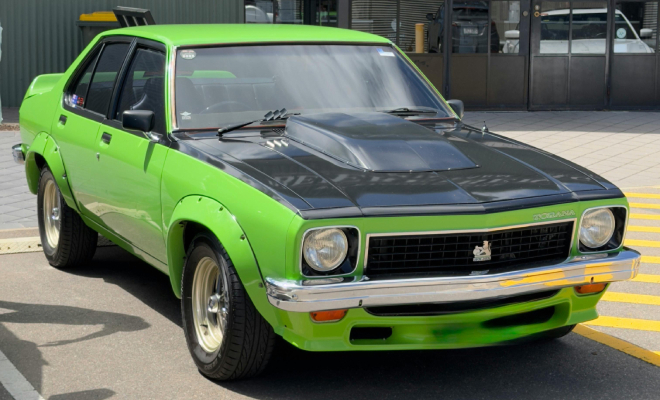
Holden stood for Australian carmaking for decades. Globalization and offshoring made local production uneconomic. The brand was wound down for good in 2021.
Datsun: a loud comeback that fizzled
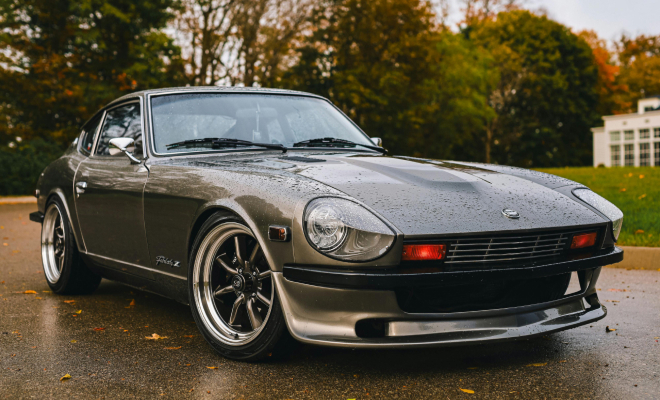
Datsun was once Nissan’s global export name. Reviving it as a budget brand in the 2010s looked smart on paper; demand stayed soft. The project was killed in 2022.
Daewoo: absorbed into a larger group
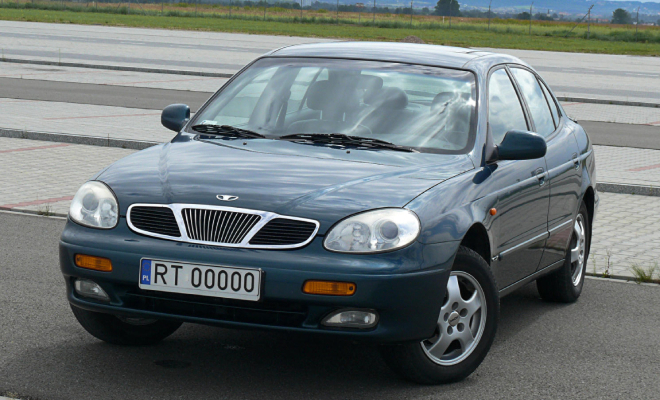
Daewoo was one of South Korea’s biggest makers. After a financial crisis it entered General Motors, and the badge faded as Chevrolet took its place in many markets.
These brands did not vanish in a day. They slipped out of daily life until new models simply stopped arriving. That is why they still pull attention: not just logos, but finished chapters of car history you cannot reopen.