For anyone browsing Cars.com or Copart from Europe, US prices can look like a typo: a fresh crossover for the cost of a tired hatchback at home, or a three-year-old muscle car for pocket change. The secondary market is where the gap feels wildest. Here are five reasons Americans keep flooding the market with cheap metal.
Lease churn floods the lots
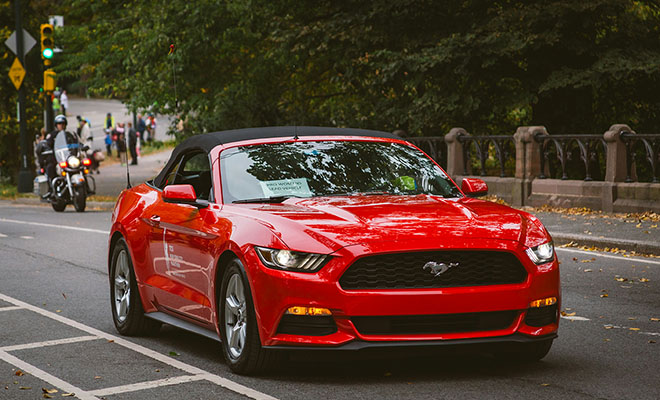
A huge share of new cars leave dealerships on two- or three-year leases. When contracts end, nearly new inventory pours back onto lots. Dealers cut hard to clear space for the next wave. Cars become “used” fast, and values drop just as fast.
Insurance writes off what shops would fix
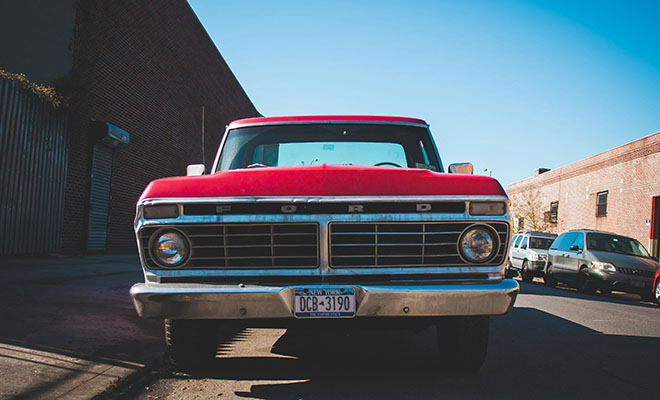
Bodywork and paint cost serious money because labor rates are high. Insurers often total a car after modest dents or airbag deployments rather than pay for a long repair.
Those cars land on salvage auctions such as Copart or IAAI and sell for roughly 10 to 20 percent of clean-market value, feeding a huge bargain segment.
Service can cost more than the car

The older the car, the harsher the bill. Timing belts, transmissions, and certified shop rates can exceed what the vehicle is worth. Many owners scrap or sell cheap instead of funding another major repair, which keeps clean-looking cars circulating at fire-sale prices.
Tax and insurance punish older iron
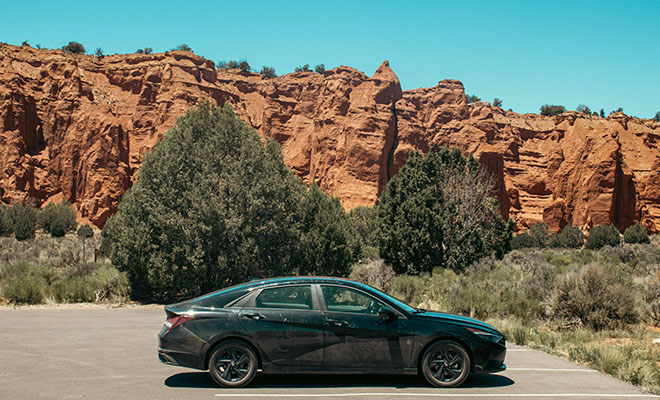
Keeping a five-year-old sedan can mean higher insurance and fees than signing for a new payment. Policy and pricing nudge people toward newer metal and push decent used cars onto the market for less than Europeans expect.
Brutal competition among brands
The US is the prize market for global makers. Stickers on new cars stay close to thin margins to fight Ford, GM, and the Japanese giants. Cheap new cars put a ceiling on used prices: a used example has to undercut a new one that already feels reachable for middle-class buyers.
Stack lease volume, salvage auctions, repair math, ownership costs, and fierce new-car pricing, and the “pennies” sticker starts to make sense, even if it still looks unreal from across the Atlantic.