The 1980s pushed car design from sober utility toward emotion. Wedge shapes, turbochargers, and machines that sold a lifestyle as much as a lap time. Many of those cars are now auction-floor classics, from once-unreachable supercars to mass models that quietly rewired the industry.
Today they live in a different economy: collectors, concours fields, and prices that barely remember the original sticker.
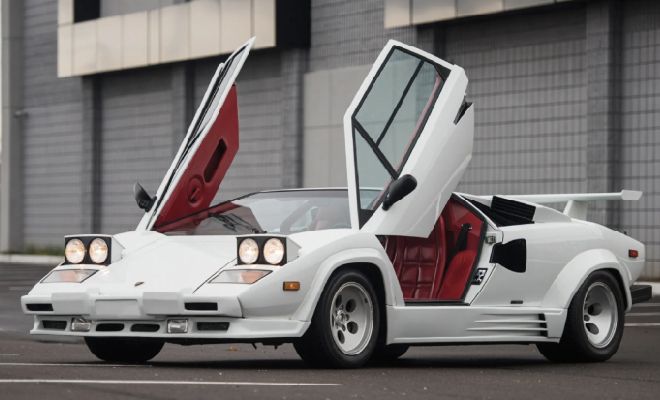
Few silhouettes define the decade like the Lamborghini Countach. Scissor doors, sharp planes, and a near-sci-fi stance made it a poster car long before “supercar” was everyday language. A V12 and speeds near 186 mph mattered, but the real trick was looking like it already lived in the future.
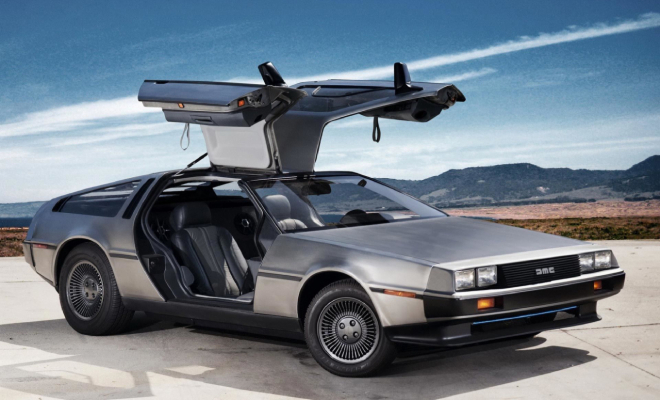
If the Countach was the dream, the DeLorean DMC-12 became the myth. Stainless steel body, gullwing doors, and almost no commercial success until Back to the Future turned a failing sports car into a time machine. After that, sales charts stopped mattering.
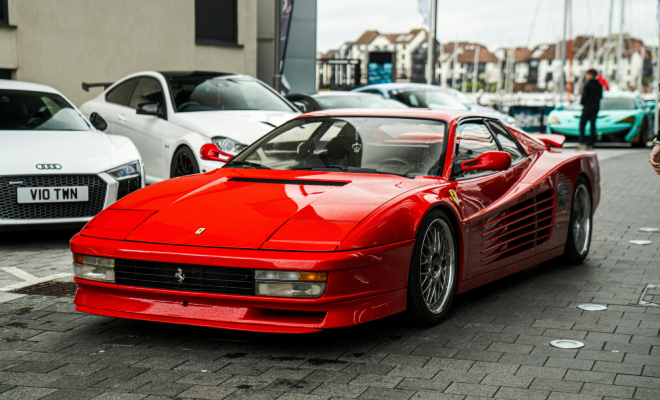
By mid-decade the volume went up again. The Ferrari Testarossa brought a wide body, side strakes, and a flat-12 that made it one of the most recognizable cars on Earth. Miami Vice finished the job: the Testarossa stopped being only a Ferrari and became a lifestyle prop.
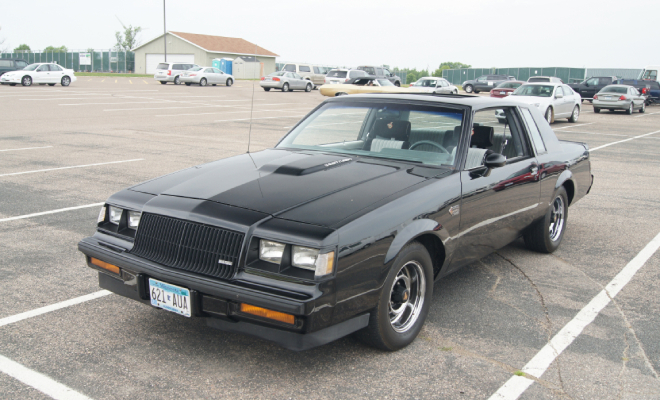
Against the loud exotics, the Buick Grand National stayed quiet. Black, plain, almost shy. A turbo V6 still outran plenty of period V8 rivals. Looks lied about the threat underneath, and that was the whole point.
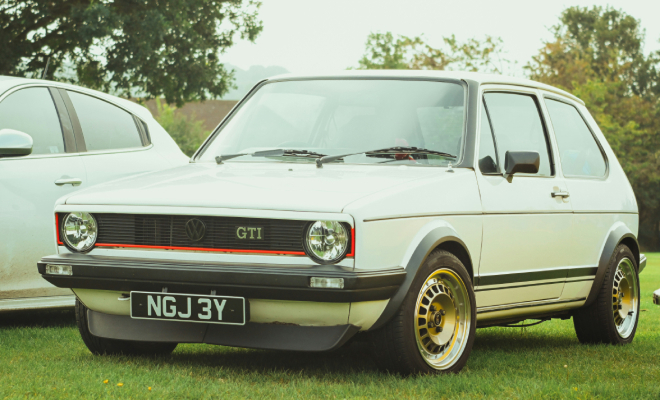
While some chased peak horsepower, the Volkswagen Golf GTI chased balance. A compact hatch that felt quick, light, and alive. It proved driving pleasure did not need a trust fund, an idea that outlived the decade.
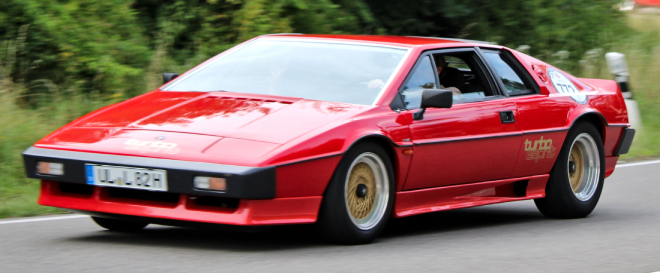
Britain answered with restraint. The Lotus Esprit looked exotic yet drove differently: light, low, and precise, betting on control over brute force. Bond films gave it a second life on screen as well as on the road.
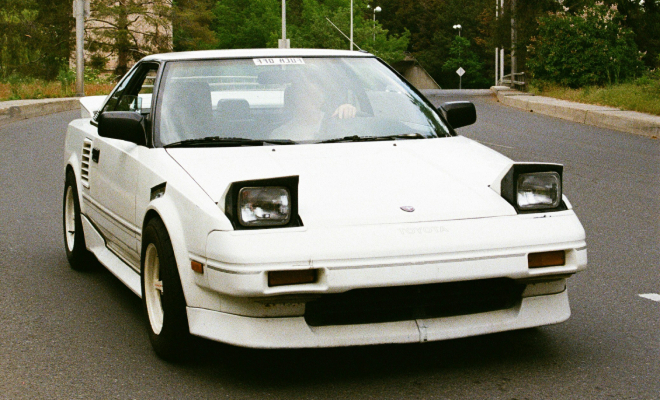
The Toyota MR2 made mid-engine packaging feel reachable. Low weight and lively manners put supercar geometry into a compact coupe, and that is why the idea traveled far beyond Japan.
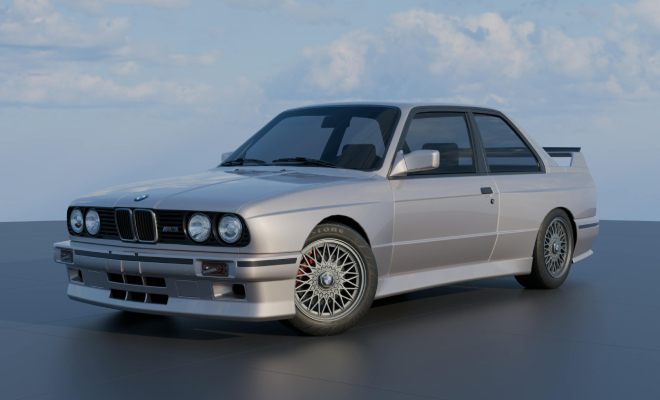
Germany built the BMW M3 (E30) for racing first: stiff, high-revving, uncompromising. Street drivers got a homologation special that became the template for what a driver’s car should feel like.
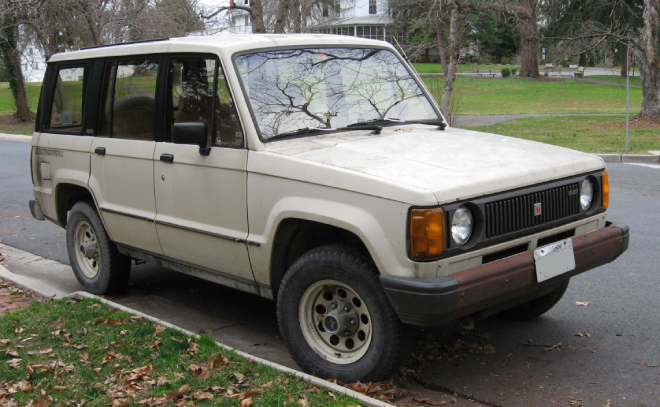
At the other end of the spectrum, the Isuzu Trooper sold a tough SUV that families could also live with. Spacious and durable, it pointed toward the SUV boom still years away.
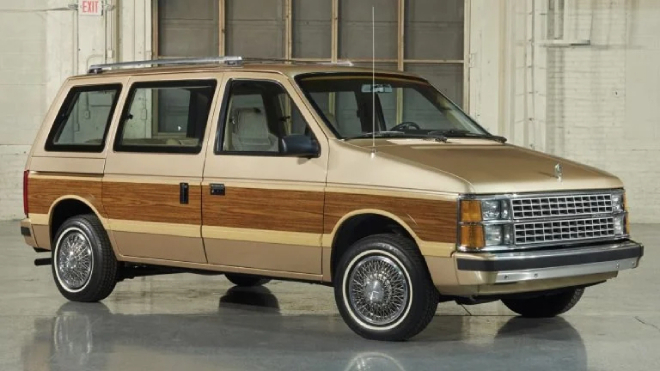
Then came the quiet revolution of the minivan. The Dodge Caravan brought front-wheel drive, three rows, and honest space for daily life. No drama, permanent change.
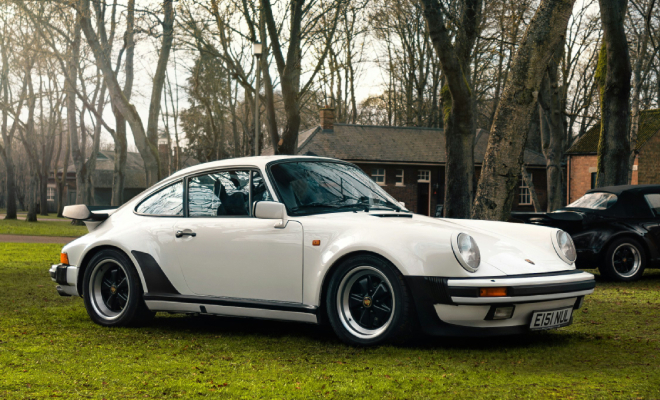
The Porsche 911 Turbo (930) scared people for good reason. Turbo lag, rear-engine manners, and sudden punch made mistakes expensive. Fear and desire in one chassis is how legends stick.
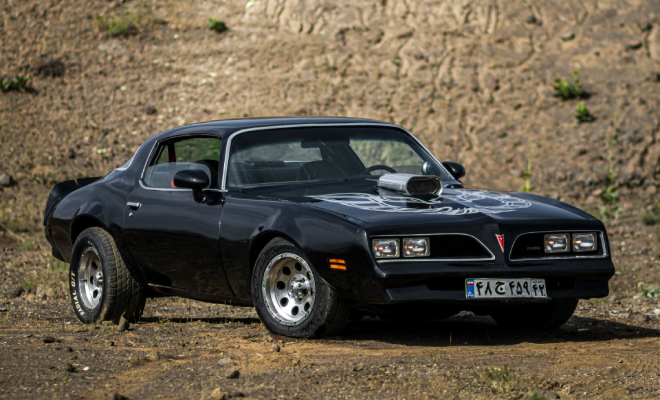
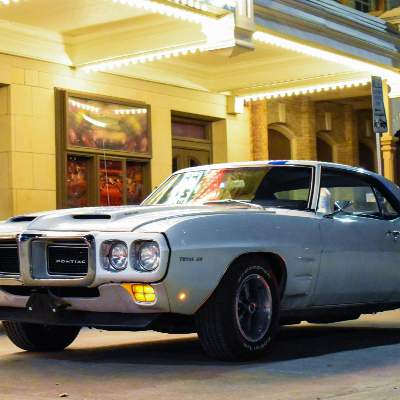
The Pontiac Firebird Trans Am sealed the era with pop-up lights and a Knight Rider glow. More character than commute tool, which is exactly why collectors still chase it.
Buyers still chase these twelve because each one froze a piece of the decade: excess, inventiveness, or a new kind of practicality that never quite went away.