He just wanted to see what would happen. No calculations, no crew briefing: several thousand meters up, at the controls of a passenger jet. The first officer waited until the captain was distracted, then engaged reverse thrust and decided to film his “experiment.”
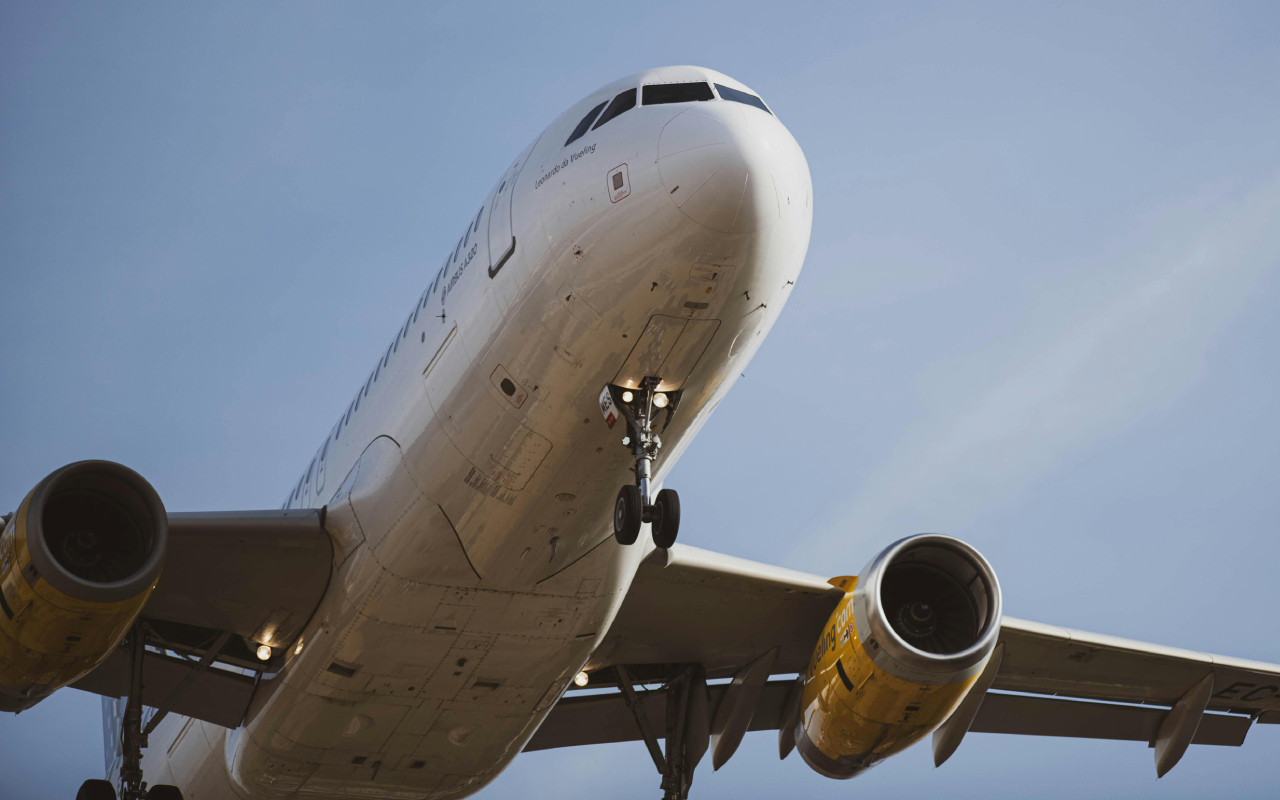
The idea sounds bold: if a plane can brake after landing, why not “brake” in the air? In reality reverse is not a reverse gear. On jetliners the airflow is redirected forward to cut speed after touchdown. That is a normal procedure for Boeing and Airbus types. In flight those moves sit outside approved envelopes.
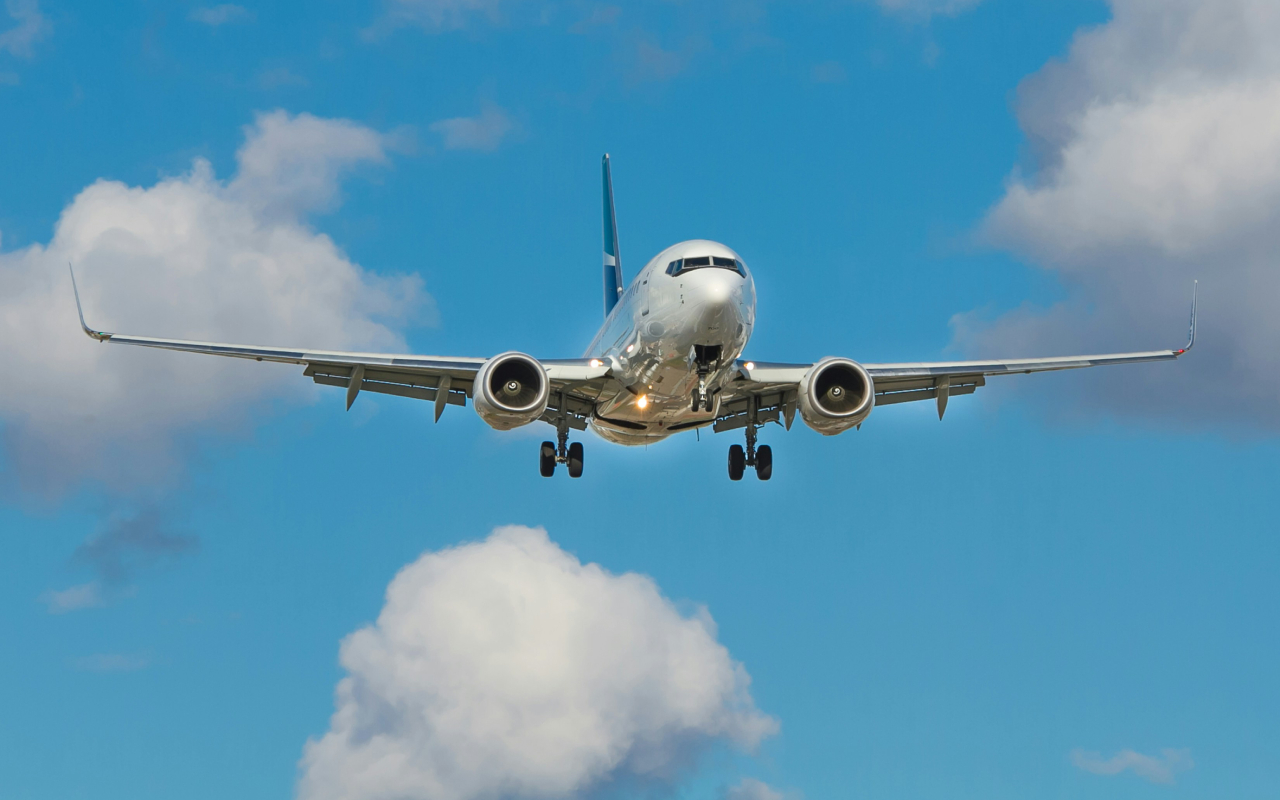
The problem is that a plane stays aloft on speed. Lose speed and you lose lift. Reverse thrust slashes thrust hard, and in the worst case that can lead to a stall. Then it is no longer an experiment, but an emergency with very bad outcomes.
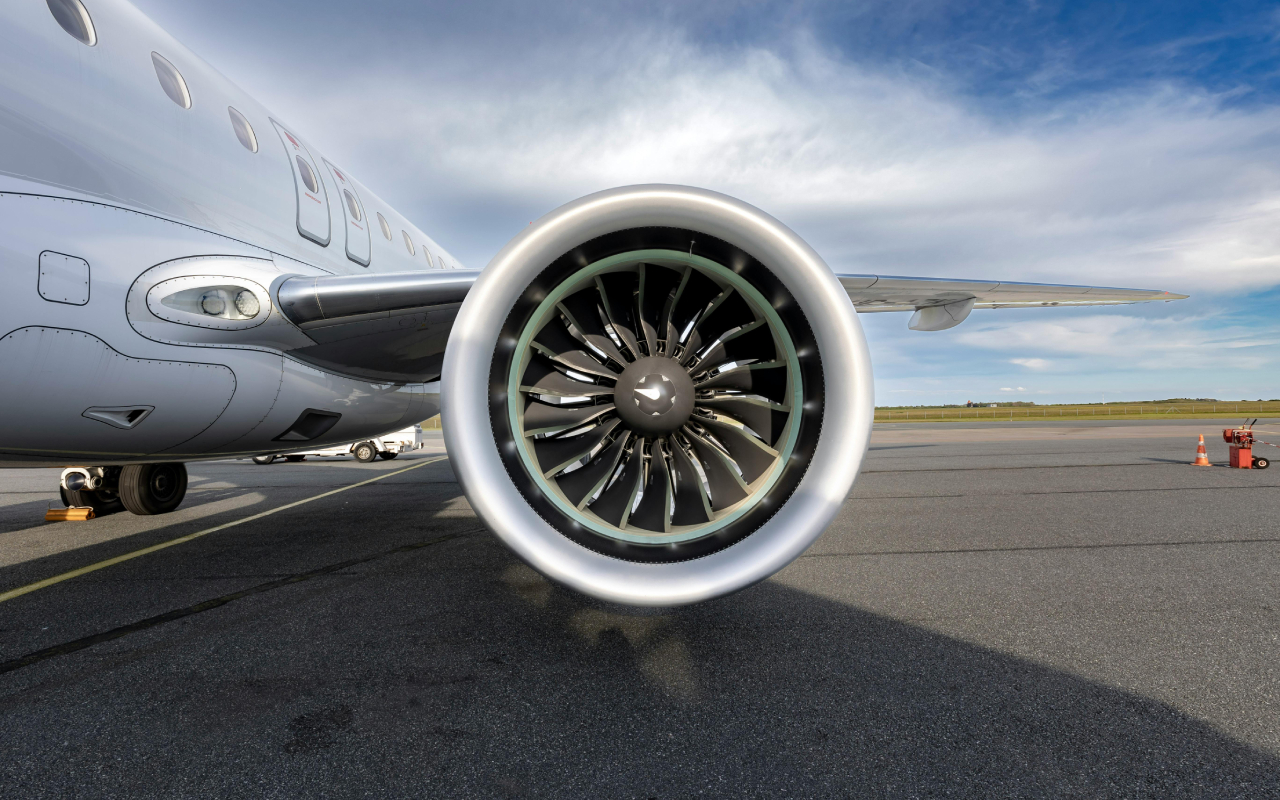
Even on the ground reverse is almost never used to roll backward. That surprises people, but many airports ban it: jet blast can damage pavement, equipment, and knock people down. So aircraft are usually pushed carefully from the gate by tugs.
History has cases where reverse engaged in the air, and they ended badly. The best-known example is the Lauda Air Flight 004 crash. After it, engineers and airlines seriously reworked protections for those systems.
.jpg)
Photo Toni Marimón, GFDL 1.2, link
By 2026 aircraft are smarter and more attentive to crew inputs. Onboard systems read flight parameters and can block commands that leave safe limits. Almost every flight is logged digitally: any deviation is recorded and reviewed.
Such stories keep surfacing in aviation as a reminder: curiosity in a cockpit works worse than almost anywhere else. You cannot just “try and see.” Too much hangs on one lever move, especially thrust reverse.