If you thought your old LEGO sets were just dusty childhood relics, think again. Collectors and investors pay huge sums for vintage LEGO, and some sets climb faster than gold, stocks, or even collectible wines.
While traditional investors watch oil and metal quotes, a new class of collectors makes money on things that look like ordinary toys. Research from Russia’s Higher School of Economics (HSE) found that the secondary market for iconic building sets shows steady returns that beat annual gains on bonds and even rare stamps.
Experts say success sits in “unusual goods” that most people treat as toys. That list includes limited Barbie dolls, superhero figures, and detailed vehicle models.
HSE associate professor Victoria Dobrynskaya notes that this is a huge market with tens of thousands of trades, still little studied by investors used to antiques and jewelry.
Which LEGO sets are worth money

To see the scale of possible returns, look at the hottest secondary-market pieces. Prices are set by rarity and sharp nostalgia among AFOL buyers (Adult Fans of LEGO).
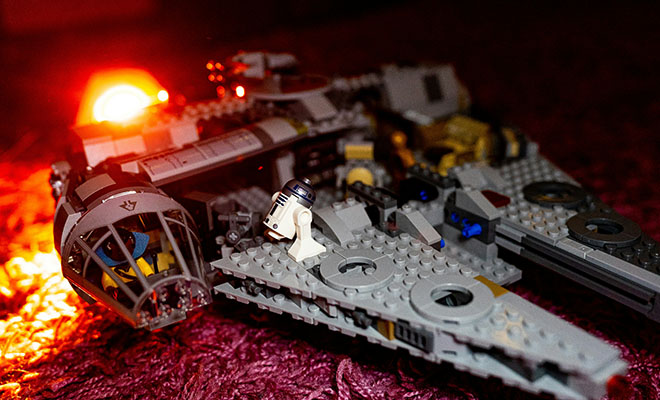
- Millennium Falcon (UCS series, 2007): the legendary Star Wars ship that once sold for $500 now goes for $3,000 to $5,000 sealed.
- Taj Mahal (2008): an architectural set that retailed around $300 and now fetches $2,000 to $3,500.
- Death Star II (2005): bought for about $270 in the mid-2000s, it can bring owners up to about $2,500 in profit.
Why LEGO climbs in price
The main price trigger is the moment LEGO officially ends production. Global supply drops at once, while demand from fans who missed the window keeps rising.
The key condition is MISB status (Mint in Sealed Box): brand-new and factory-sealed. The cardboard seal works like a vault lock: once the box opens, investment value collapses several times over.