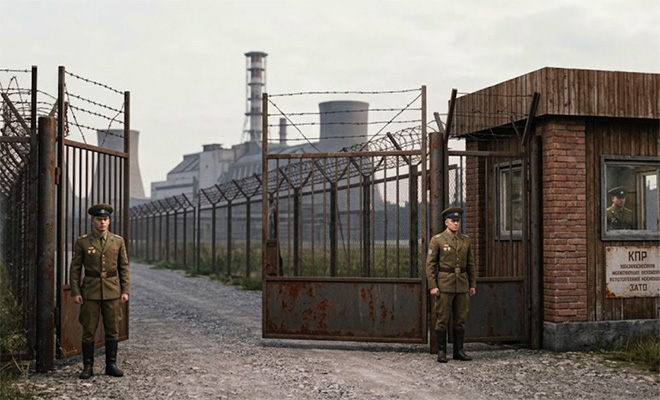
These special Soviet cities appeared on no map. Residents were forbidden to tell even relatives about their homes. Sites were coded by number and guarded by the military. Priority goods flowed in; by Soviet standards life here was good — in exchange for total secrecy and work with uranium or in closed research institutes.
Arzamas-16
The main center for developing Soviet nuclear weapons, where under physicists Igor Kurchatov and Yuli Khariton the country's first atomic and hydrogen bombs were created.
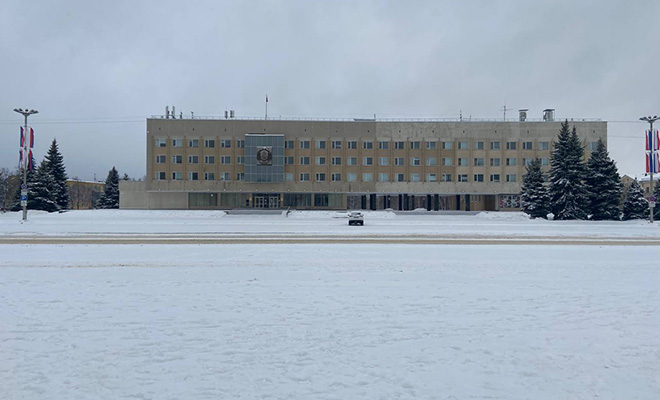
The city was cut off from the outside world by a double perimeter of barbed wire with a security strip; residents received passports registered to closed districts of Moscow. Today the city is known as Sarov. It remains a closed administrative-territorial formation.
Chelyabinsk-40
The pioneer of the Soviet nuclear industry, where weapons-grade plutonium was produced at the Mayak chemical combine for the first nuclear warheads. In 1948 the plant launched the USSR's first industrial nuclear reactor, A-1.
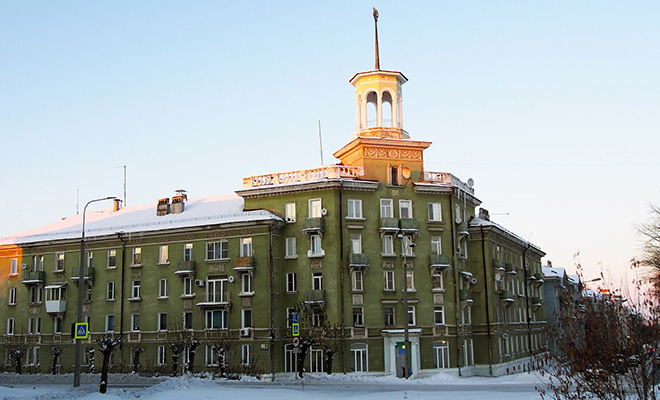
For the Soviet state this was a strategically vital site. The city and plant operated under special secrecy; its real name was barely used outside the closed territory for a long time.
Work with radioactive materials brought serious environmental problems; the best-known episode was the 1957 accident at Mayak. The city is now called Ozersk.
Zagorsk-6
Today it is Sergiyev Posad-6, but in Soviet years maps and documents listed it as Zagorsk-6. The closed town grew around a military research facility conducting highly classified work in virology and microbiology.
The main site here was a military biological institute founded in 1954. It later became known as the Virology Center of the USSR Ministry of Defense Microbiology Research Institute. Research involved dangerous infections, viruses, rickettsiae, and toxins, and the facility belonged to the Soviet military biological weapons program.
Secrecy was reinforced by proximity to Zagorsk-7. The two closed towns stood side by side but pursued different missions: Zagorsk-6 was linked to military biology, Zagorsk-7 to nuclear work.
Krasnoyarsk-26 (Zheleznogorsk)
Modern Zheleznogorsk was known in Soviet times as Krasnoyarsk-26. A mining and chemical combine here produced weapons-grade plutonium.
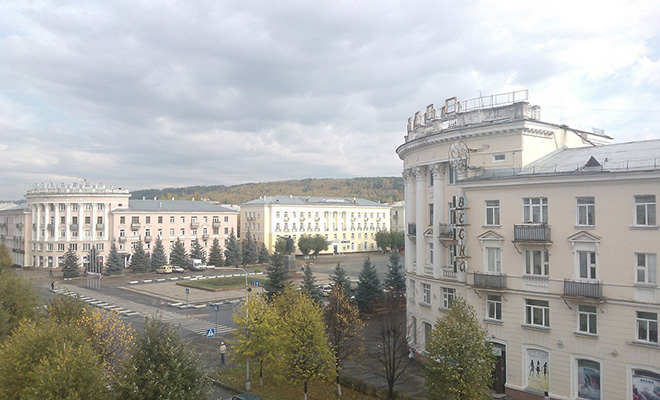
What set this site apart was its location. Key production facilities were placed in underground workings inside a mountain massif. That approach both protected the strategic plant and helped hide it from outside view.
Sverdlovsk-44
The largest secret center for high-tech uranium isotope separation using gas centrifuges.
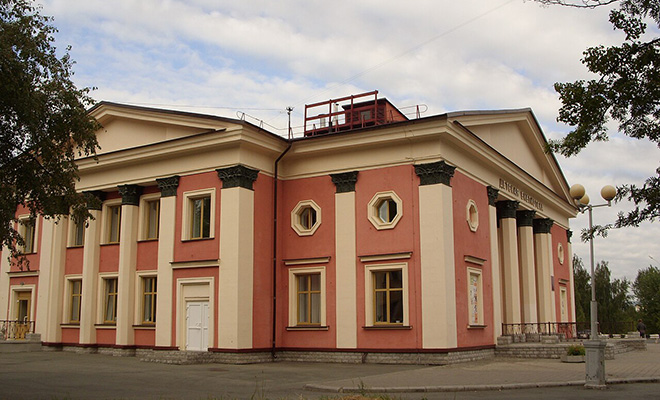
The local combine supplied weapons uranium to the country's defense complex and later fuel for most Soviet and foreign nuclear power plants. Today it is Novouralsk.
Tomsk-7
A huge closed industrial cluster on the Tom River, involved in the full cycle of radioactive materials production. The city housed the Siberian Nuclear Power Plant, which produced weapons plutonium, and uranium enrichment plants behind strict access controls.
As in other closed cities, its own pass system and restrictions applied. The town was built around a secret enterprise; residents had access to developed infrastructure.
Penza-19
A secret center for final assembly and maintenance of nuclear warheads for all branches of the Soviet armed forces. At the local instrument plant, complex electronics and components for strategic missiles were assembled under sterile conditions, and the city was supplied directly from the union center.
After the USSR collapsed, most of these settlements received their real geographic names and finally appeared on official maps. Many still retain closed administrative-territorial status (ZATO).