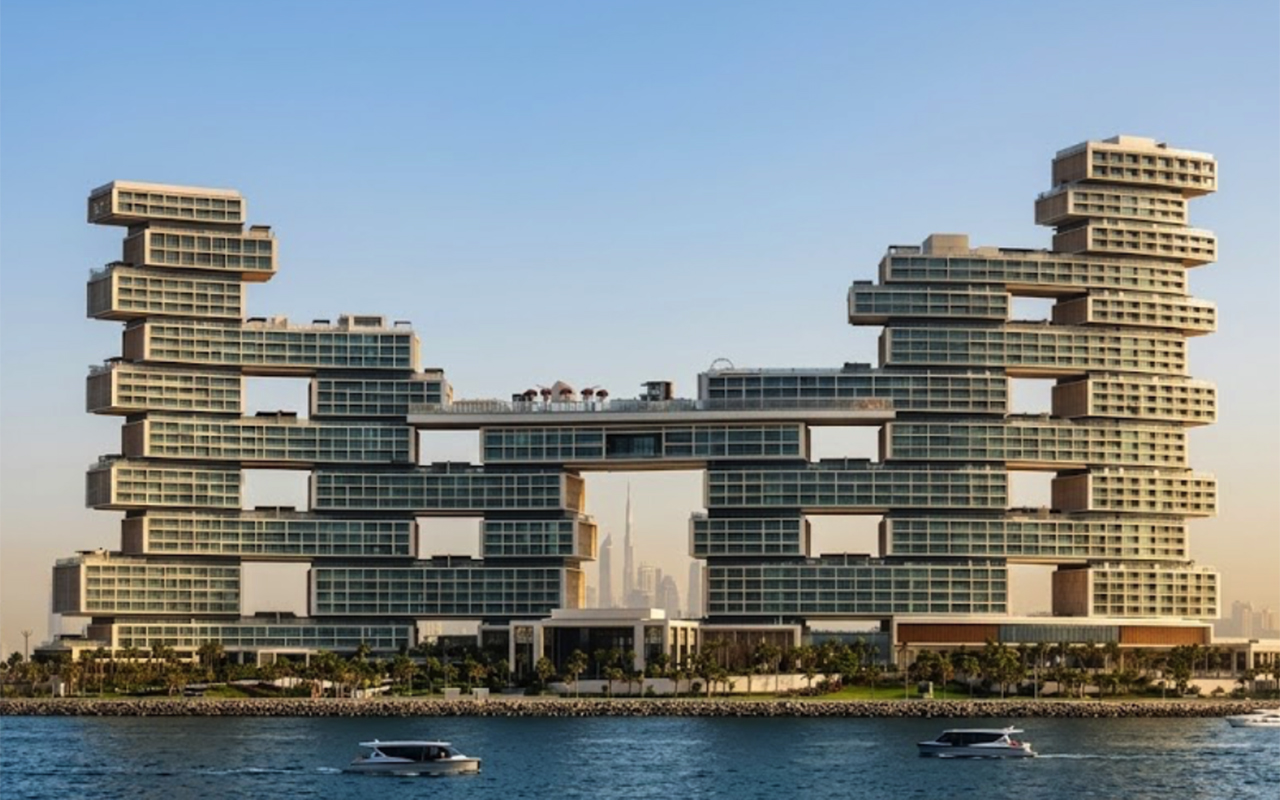
Beyond the loud names on public Forbes rankings — like Elon Musk, Bernard Arnault, or Jeff Bezos — there is another, far more closed layer of wealth. Here we are talking about money on an entirely different scale: these family dynasties built their fortunes over decades and even centuries. The famous Rothschilds are nowhere near the top of the list, although many assume that surname is the richest in the world.
Which Dynasty Is the Richest in the World
At the top of the global ranking sits the ruling dynasty of Saudi Arabia — Al Saud. The combined capital of this royal house is estimated at an astronomical $1.5 trillion. Such a volume of funds is explained by direct control over the state's key resources.
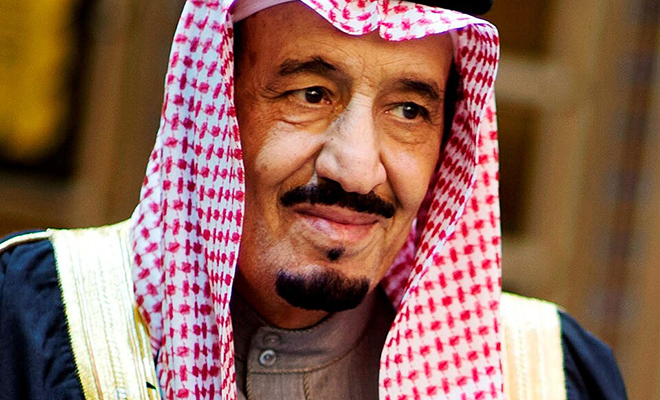
The family's main financial pillar is the world's largest oil company, Saudi Aramco, which generates tens of billions of dollars in net profit every year. In parallel, through the Public Investment Fund (PIF), the dynasty invests in international technology, elite real estate, professional sports, tourism, and media structures.
The family numbers more than 15,000 people, yet key financial flows and decisions are concentrated in the hands of an inner circle of roughly 2,000 members of the ruling elite.
The Walton Dynasty: Leaders of Private Business
If you exclude monarchical houses, where the state treasury is intertwined with the family budget, the leader among private business dynasties remains the American Walton family — heirs to Walmart founder Sam Walton.

The family's fortune exceeds $250 billion, and about seven clan members consistently appear on lists of individual billionaires. The family owns a controlling stake in the retail giant, investment funds, and large-scale real estate holdings. The Waltons avoid public scandals and rare interviews, yet their retail network daily shapes price levels and consumer habits for hundreds of millions of people worldwide.
The World's Most Influential Dynasties
Beyond retail kings and Eastern sheikhs, the upper ranks of global ratings are occupied by dynasties that bet on narrow niches, industrial conglomerates, and premium luxury:
- The Hermès family (France): Owners of the fashion empire Hermès, with capital of about $180 billion.
- The Koch family (USA): Heirs to the industrial empire Koch Industries, which amassed more than $150 billion in oil refining, chemicals, and energy.
- The Mars family (USA): Confectionery and pet-supply giants whose fortune from chocolate bars and animal feed exceeds $130 billion.
- The Ambani dynasty (India): Asia's largest clan, which built the Reliance Industries conglomerate with capital of over $100 billion in oil and telecommunications.
Secrets of Family Empire Durability
The longevity of these colossal fortunes rests on a carefully designed internal infrastructure.
- Transferring capital through trusts: Using closed funds and family trusts protects assets from fragmentation during inheritance.
- Global diversification: Capital is spread across real estate, securities, oil, and the consumer sector.
- Political partnership: Direct participation in governing states or lobbying legislative initiatives.
- Family ideology: Strict upbringing and continuity of thinking across generations for effective asset management.
How Rich Families Control the World
For the planet's largest dynasties, the nominal figure on a bank account long ago ceased to be the main goal. The true value of their capital lies in levers of influence — the ability to steer laws, regulate global markets, shape media agendas, and affect public opinion.
Weathering crises, political regime changes, and economic storms, family clans preserve their position not through short-term profit but through the ability to turn financial capital into an unbroken history of power.