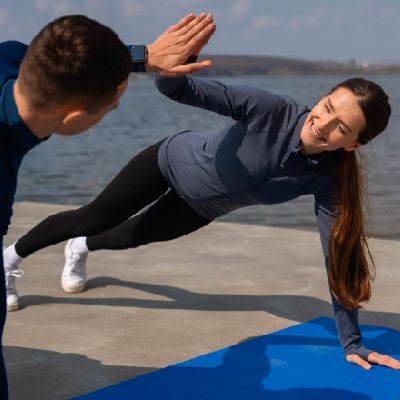
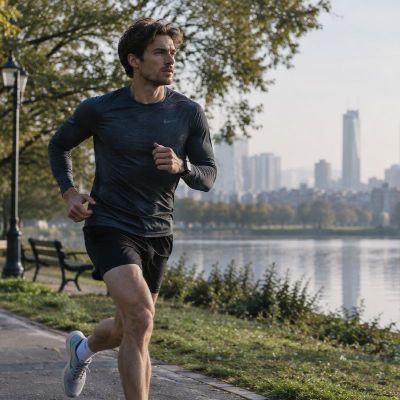
When social feeds talk “perfect shape,” the faces are usually under 30. Algorithms keep pushing a different story: a South Korean couple near 60. Kang Chang-dong and Kim Sun-ok look far younger than their years, and their post-50 rebuild is one of the most shared late-career fitness case studies online.
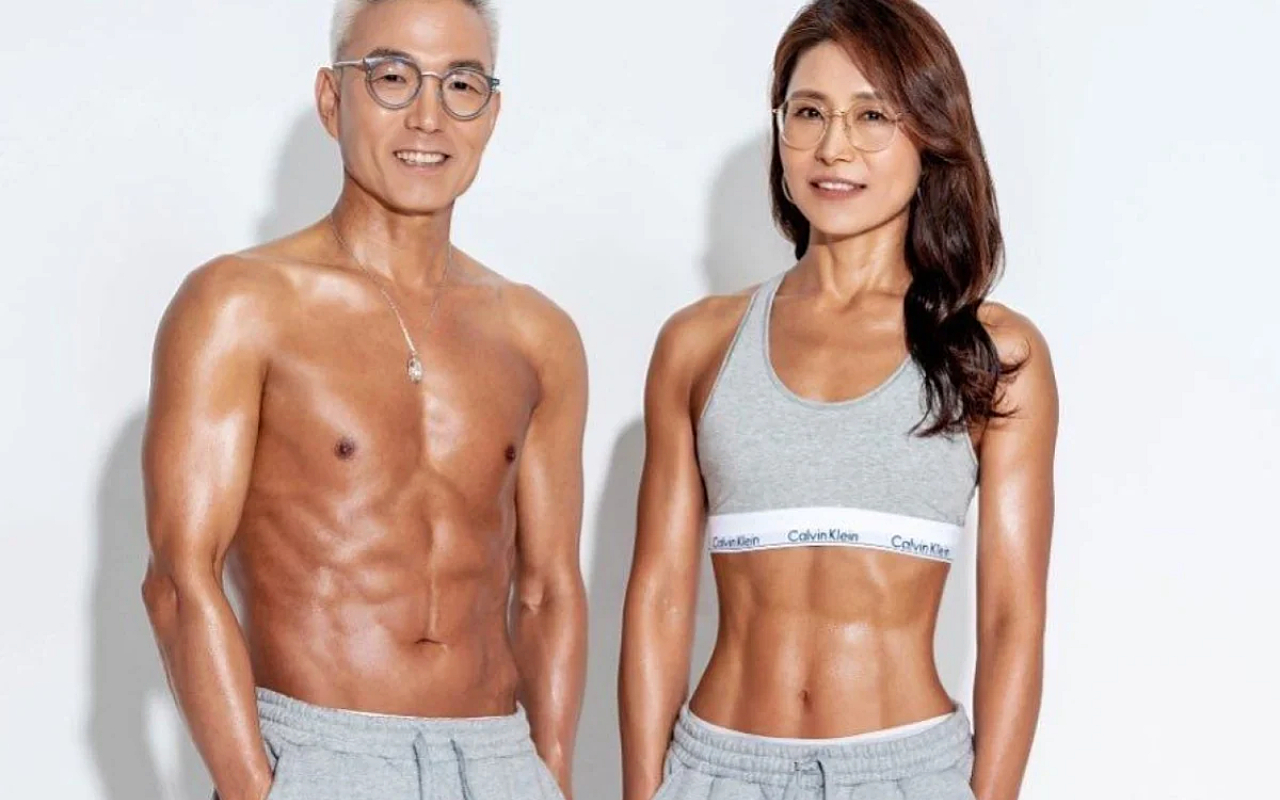
They only started serious training in 2021 with no athletic base. By 2022 media noticed. Workout clips and physique checks went viral. Into 2026 the views kept coming, and the pair settled into motivational fitness for people over 50.
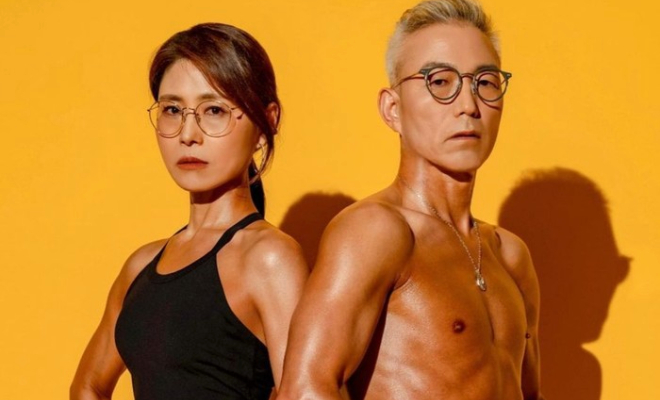
The hook is the contrast. Younger Kim struggled with weight and energy. Kang did kickboxing yet carried a soft midsection on a thin frame. What you see now is not lucky genetics. It is a rebuilt lifestyle.
Their playbook matches current midlife fitness advice: no crash diets, steady protein and vegetables, regular meals. Morning water and a light first meal, fiber and protein through the day, a real dinner at night. That pattern fits how coaches talk about holding muscle and metabolism after 50.
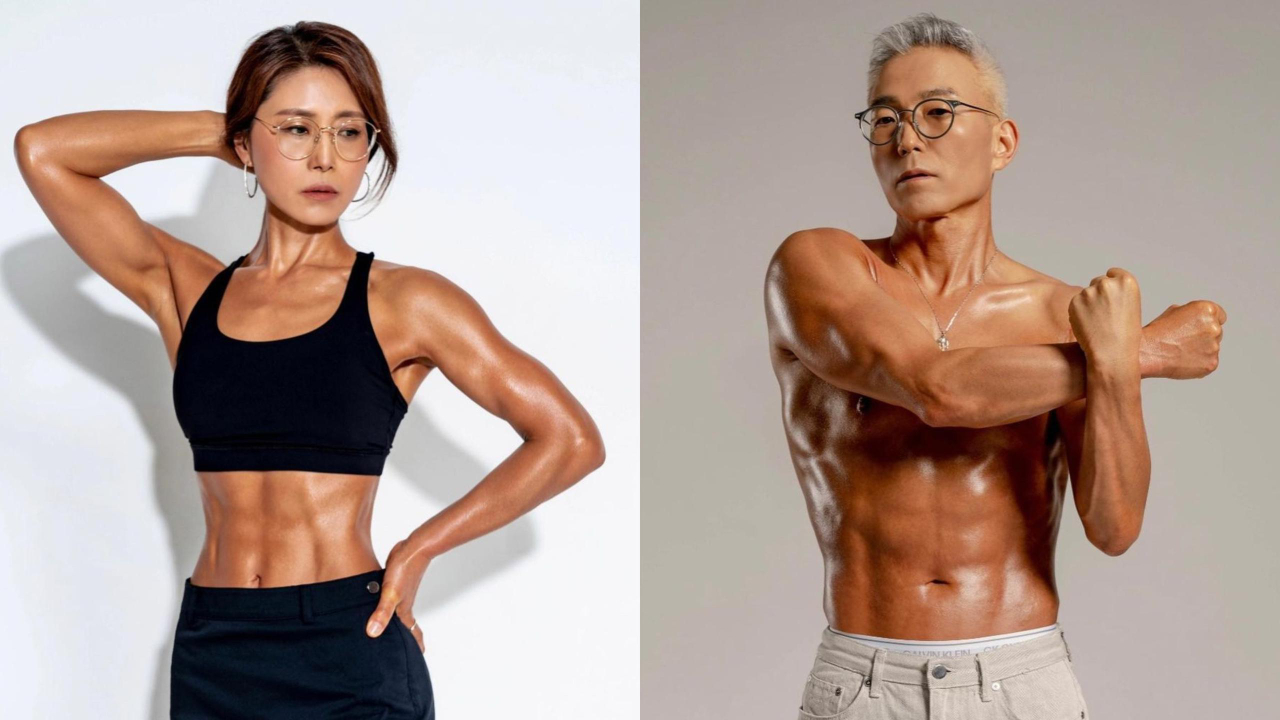
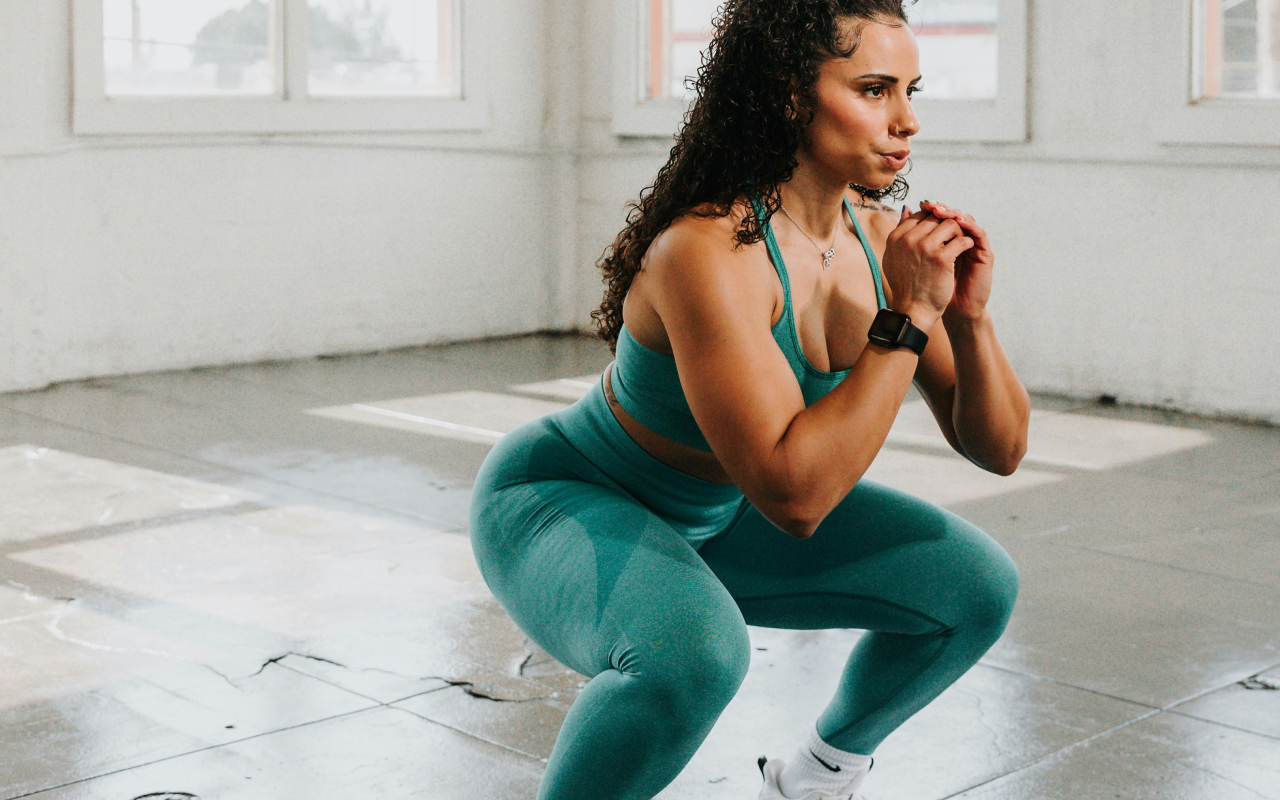
They train almost daily, mixing strength with moderate cardio. That mix is widely recommended for the 50-plus set: looks plus lower risk of age-related disease. Industry reports through 2026 keep listing rising strength training among over-50s as a core trend.
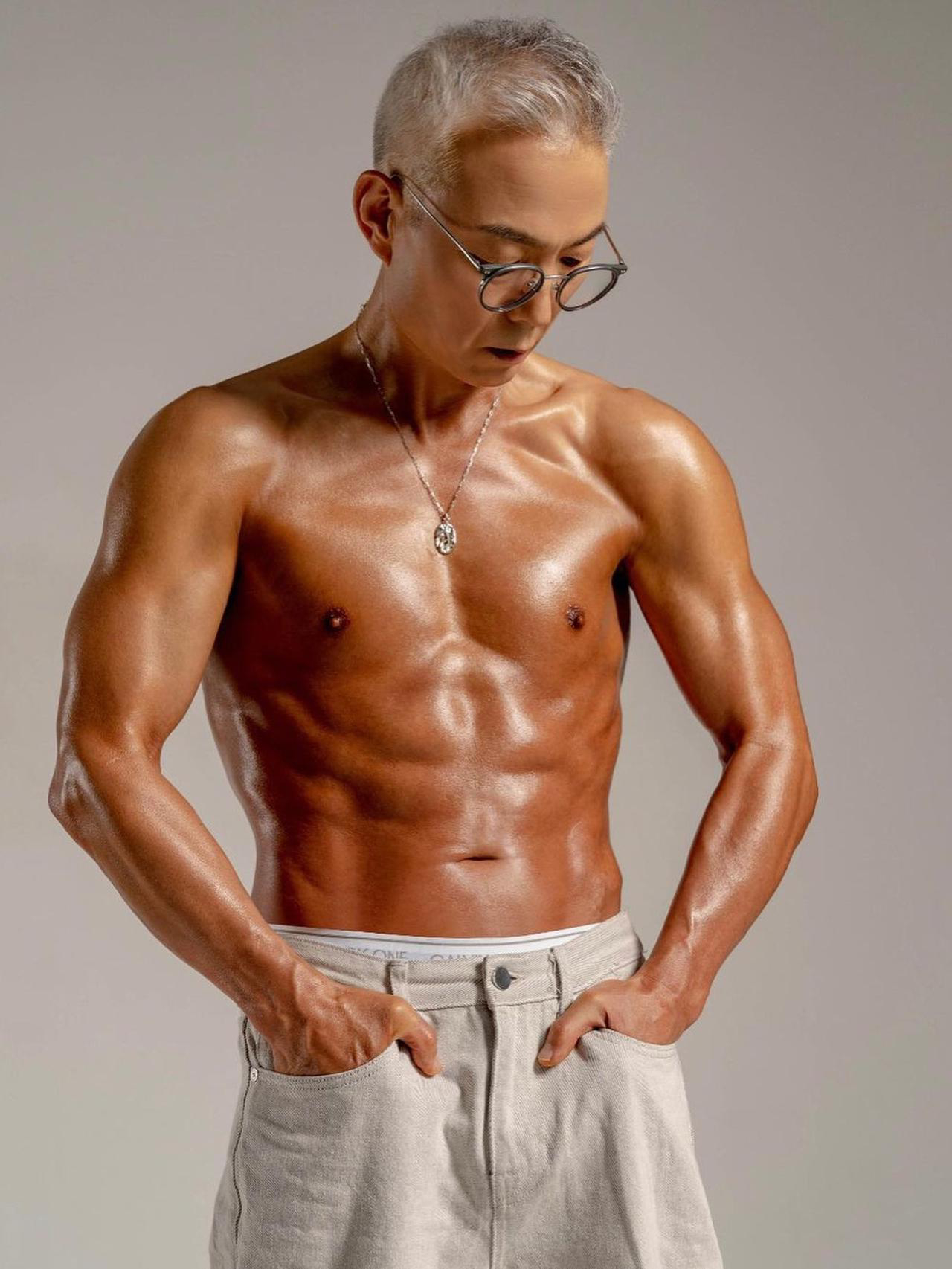
Physiology still bites. After 50 muscle drops faster and recovery slows. Progress often runs about 20 to 30 percent slower than in younger athletes. Kang and Kim read less like a miracle and more like what a system can still deliver.
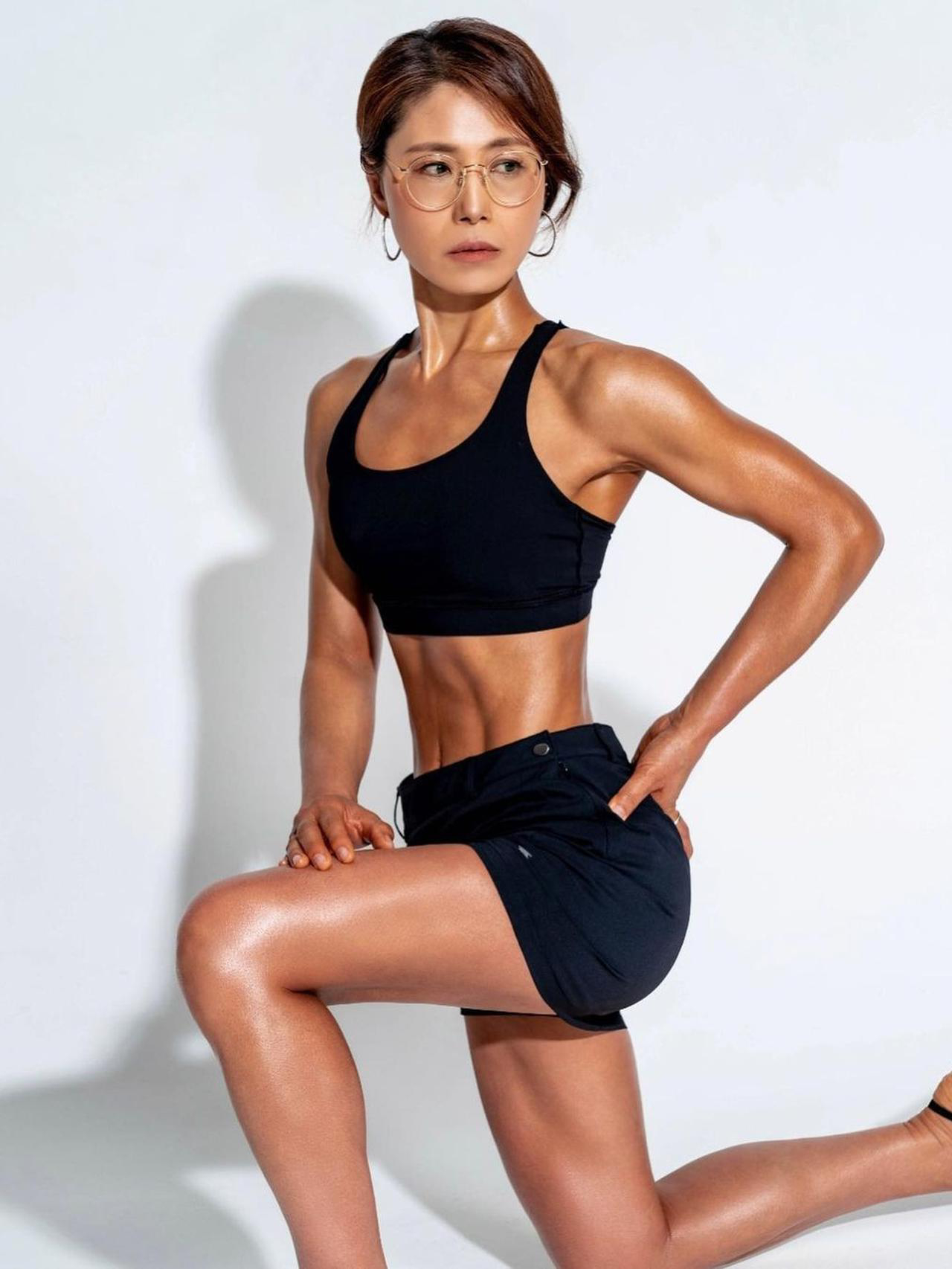
Their pull is not only “they look young.” It answers a global ask: how to keep shape after 50, how to start from zero, and whether a mature body can still change. Their answer is yes, with one caveat: no overnight wins, but durable ones if you stay consistent.
The story no longer feels like a one-off viral clip. It fits a new norm: body care is not age-locked, and training past 50 is a continuation of an active life, not an exception.