Strength work and steady cardio can slow how the brain ages, and in some cases nudge it younger. New findings show people who trained regularly for 12 months thought more clearly and made faster calls under pressure.

Researchers ran a year-long trial with 130 volunteers to see whether aerobic training could change brain structure. The key score was brain-PAD: the gap between calendar age and brain age estimated by a neural net from MRI scans.
How the trial worked
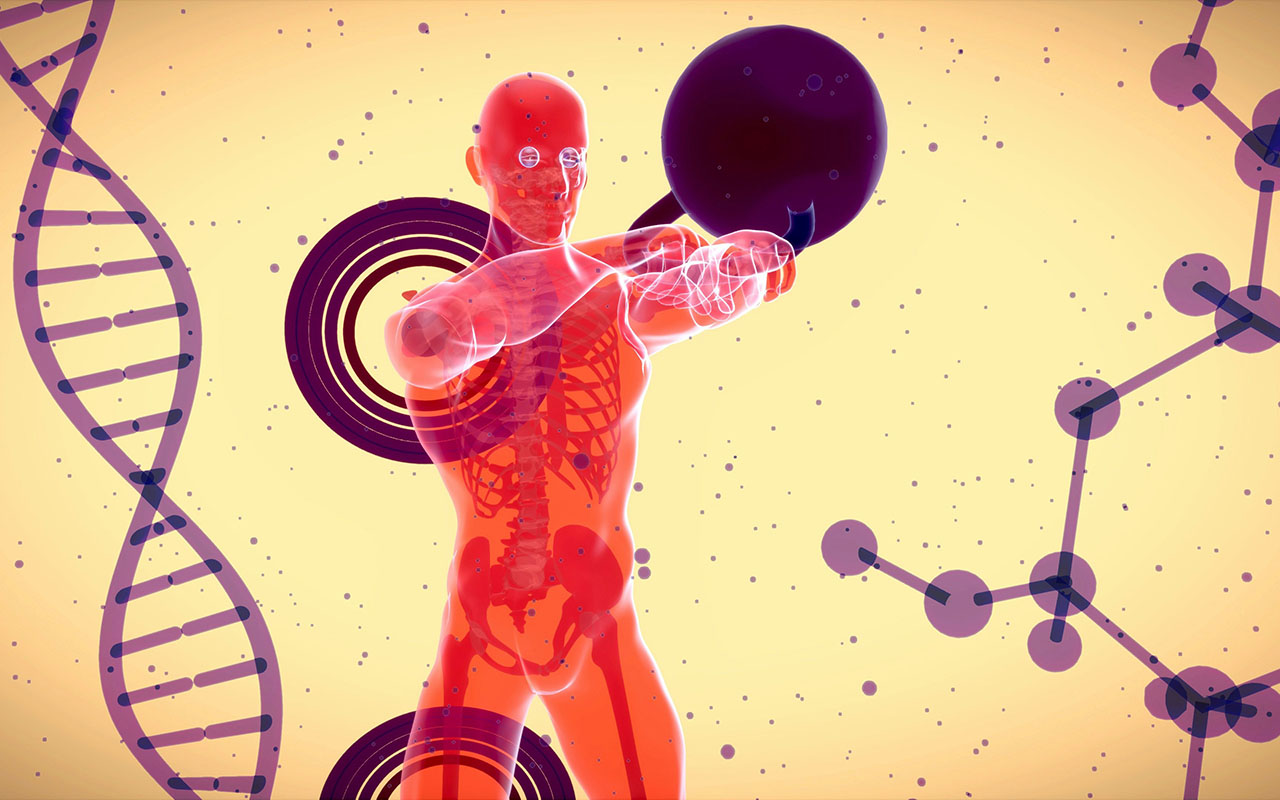
Volunteers split into two arms. Controls kept their usual routine. The training group did supervised aerobic work (walking, running, elliptical) for about 150 minutes a week, with intensity tracked by heart rate.
After 12 months the numbers moved:
- Lower brain-PAD in the training group versus controls. On MRI their brains looked younger than a year earlier.
- Higher VO2peak (peak oxygen uptake), which tracked with healthier brain structures.
What did not explain the effect

The surprise was what the team did not find. Classic stories say exercise helps the brain via lower blood pressure, less body fat, or more BDNF. In this trial none of those factors was the direct bridge to a younger-looking brain.
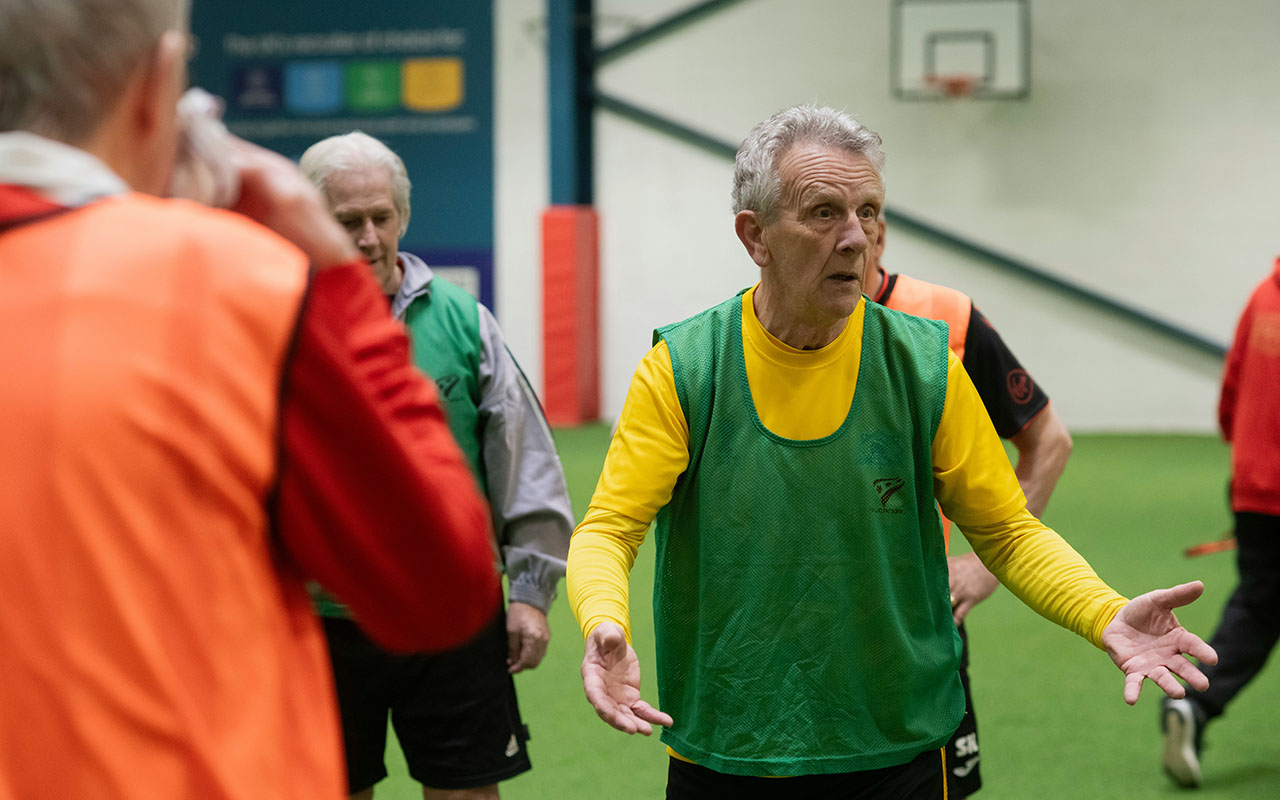
That points to other biological routes still poorly mapped. Movement seems to hit neuroplasticity deeper than better blood flow or metabolism alone.
The takeaway: brain “youth” is not only genetics. In twelve months you can shift organ structure in a measurable way, which is easy to underestimate if you treat the body as fixed after midlife.