Many people dream of opening their eyes at exactly the right time each morning without the jarring, irritating sound of an alarm. Some regard it as a genuine superpower, but scientists and psychologists see it differently: rather than a unique gift, it may reflect certain personality traits.
How Your Internal Alarm Clock Works
A five-year study involving hundreds of volunteers found that only a small percentage of people can regularly wake at a precise time without an external stimulus. The secret of these "lucky" sleepers is not a rare talent but strict discipline: they go to bed and wake up at the same time every day while giving their bodies enough sleep.
- An hour or two before your usual wake-up time, the body begins actively preparing:
- Levels of cortisol, the hormone associated with alertness and readiness for activity, rise.
- Production of melatonin, the sleep hormone, falls.
- Body temperature gradually rises and key regions of the brain become more active.
- With a stable routine, your body can be fully prepared to wake before the alarm on your phone sounds.
What Waking Without an Alarm Says About Your Personality
Analysis of data from thousands of respondents revealed an intriguing pattern. People who wake easily and naturally in the morning tend to score highly for conscientiousness and organization.

People with this personality profile are typically disciplined, goal-oriented, and capable of planning their day effectively. Researchers add one caveat: it remains unclear whether a disciplined routine develops these character traits or whether naturally organized people are simply more likely to maintain healthy sleep habits.
Why Waking to an Alarm Can Be Harmful
When an alarm tears us out of deep sleep, the body experiences a shock. Adrenaline floods the bloodstream and we face so-called sleep inertia: sluggishness, impaired thinking, and irritability that may last from 15 minutes to several hours.
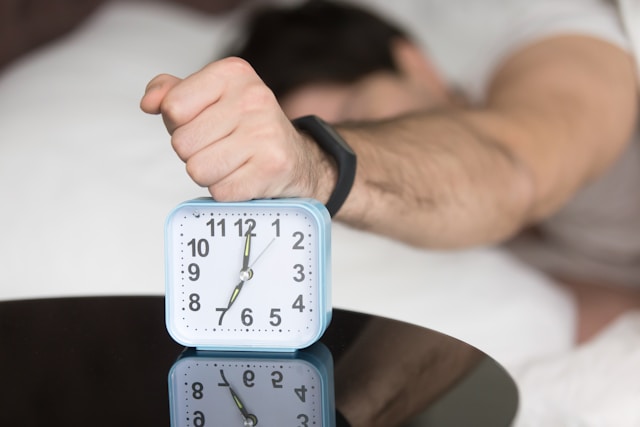
The habit of snoozing the alarm for "another 10 minutes" only makes matters worse. During that brief interval, the brain tries to begin another full sleep cycle, only for the next alarm to interrupt it again, leaving you drained for the rest of the day.
Night Owls, Early Birds, and Natural Light
A study of more than 26,000 people found that evening chronotypes, or "night owls," perform no worse than "early birds" in intellectual and analytical tests. Their main problem is the need to conform to school and office schedules, which can produce chronic sleep deprivation.
Sleep specialists recommend the following steps to set your internal clock, whatever your chronotype:
- Get 20–30 minutes of natural sunlight immediately after waking. This helps suppress residual melatonin and anchors a healthy circadian rhythm.
- Aim for the recommended 7–9 hours of sleep for an adult.
- Keep the same wake-up schedule on weekends as well as workdays.
Learning to wake without an alarm is a useful skill in its own right. Morning hours have long been considered the most productive.