For much of history the beard was a sign of maturity, power, and masculine dignity. Then men began shaving it off voluntarily, and a smooth face became the norm for respectable men for centuries. What made them abandon what had once symbolized strength, and why did the beard return after so long?
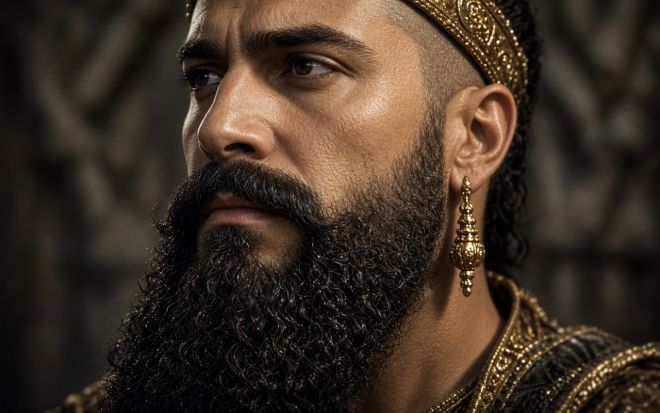
The beard as a mark of manhood
In the ancient world the beard was part of a man's status. In Mesopotamia kings and nobles were depicted with long, carefully styled beards. Assyrian reliefs show elaborate curls that clearly took considerable time to maintain.
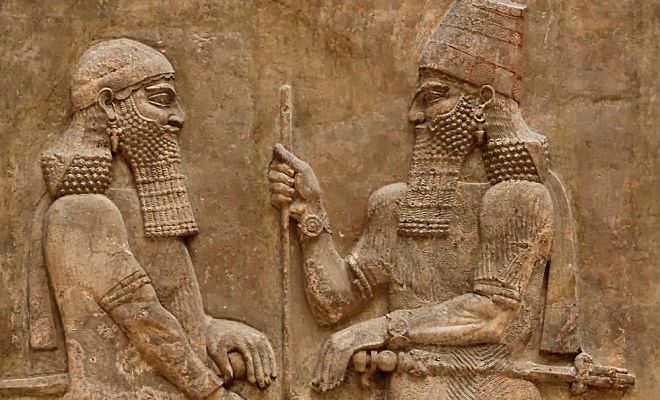
Photo: Unknown artist - Jastrow, Public Domain, Wikimedia Commons
Among the Greeks the beard long remained a natural sign of an adult man. A smooth face was not yet the norm, and philosophers of late antiquity even turned the beard into part of a professional image. It signaled maturity and sometimes became a visual symbol of wisdom.
It seemed there was no reason to get rid of it.
Alexander and the razor
The turning point is linked to Alexander the Great. Plutarch tells a story in which, before battle, Alexander ordered Macedonian warriors to shave their beards. The reason was practical: in close combat an enemy could grab a soldier by the beard and take his head. Alexander did not want to give enemies that chance.
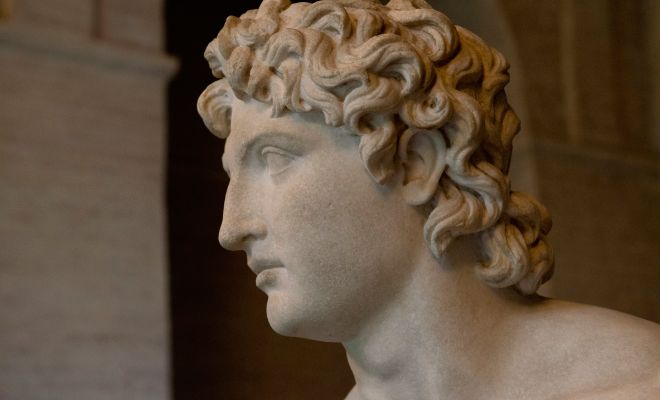
Photo: Egisto Sani / flickr / CC BY-NC-SA 2.0
How much this episode actually shaped fashion is impossible to say. But the smooth face did become noticeably more common in the Hellenistic world after Alexander. And it was no longer only a military necessity. Alexander himself was depicted beardless, and the new look quickly acquired political meaning: a young ruler looked different from traditional bearded kings and heroes.
So shaving began to work not only as grooming but as a way to show you belonged to a new era.
The Romans made the smooth face the norm
Rome picked up this fashion somewhat later. From roughly the 3rd century BC shaving spread among Romans and then became a noticeable part of the male image. A smooth face distinguished a Roman from the Greek look with its philosophical beard.
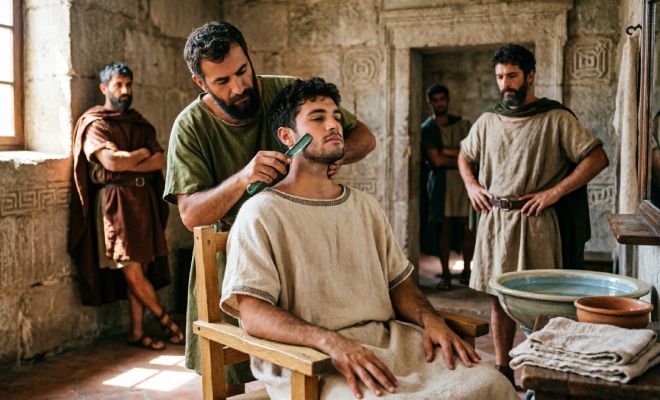
Barbershops appeared, and a young man's first shave could become a rite of passage into adult life. On that day the cut hair was dedicated to the gods.
The beard, which until recently needed no explanation, now required one. But Roman history turned everything upside down again.
An emperor grew a beard — and fashion changed
In AD 117 Hadrian became emperor. Unlike most of his predecessors he was consistently depicted with a beard. For Rome this was a noticeable departure from the usual imperial image.
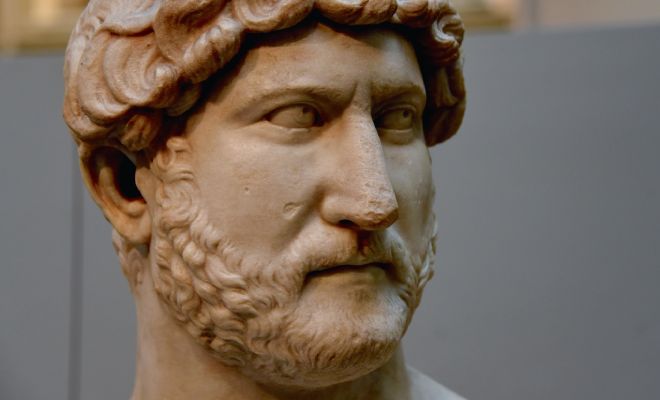
Photo: Osama Shukir Muhammed Amin FRCP(Glasg), CC BY-SA 4.0, Wikimedia Commons
The exact reason is unknown. One of the most common explanations ties it to Hadrian's passion for Greek culture: the beard had long been part of the Greek male image. Following the emperor, other men began wearing beards too, and his successors over several generations were also more often depicted bearded.
The result was a historical paradox: first the beard was the norm, then shaving became the mark of a modern man, and then one man at the top of power made the beard prestigious again.
What about the razor itself?
Fashion does not explain everything. Shaving in antiquity was far harder than today. A metal blade demanded care, and regular shaving meant either a barber's work or your own skill. Before safe blades, every shave was a balance between appearance and cuts. Only the wealthy could afford a professional barber who would not mutilate their face.
So the development of more convenient tools gradually turned shaving from a notable procedure into an ordinary part of grooming. In the 20th century safety razors, replaceable blades, and electric shavers made a smooth face accessible to almost everyone.
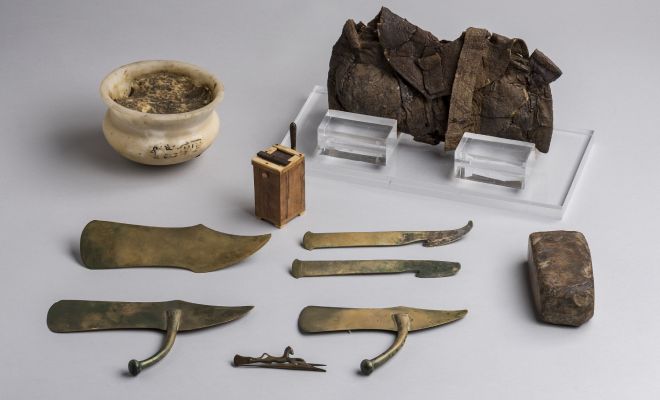
Photo Museo Egipcio de Turín, CC0, Wikimedia Commons
Only then did shaving finally stop being a symbol of separate social status.
Today a man can choose a beard, stubble, or a smooth face without needing to signal membership in a particular group. But the habit itself has not gone anywhere.
For millennia facial hair was a way to tell others something: «I am an adult,» «I am noble,» «I am a warrior,» «I am a philosopher,» «I belong to this culture.» Today the message is much simpler — «I like it this way.»

And perhaps that is the biggest change in the history of the men's beard: for the first time in a very long while, a man can grow one or shave it off not because fashion, religion, or status demands it, but simply because he wants to.