Spotting deception in everyday life is hard — skilled liars know how to stay confident. Intelligence agencies use a special technique for this; former CIA agent Jose Astorga shared the details. His agency nicknamed the trick the broom question because it can sweep almost anyone into the open.
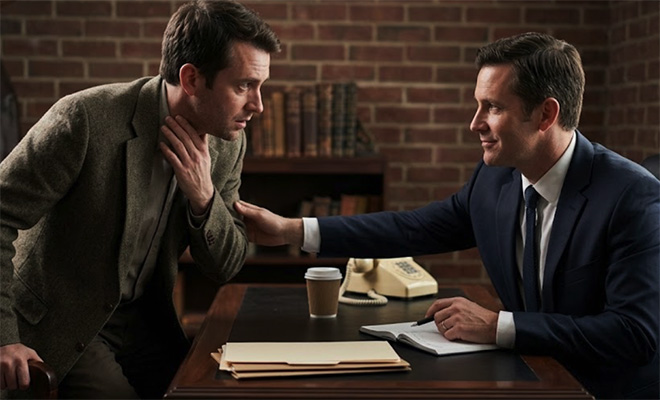
Why the Question Comes at the Very End
The method is to keep the whole conversation at a normal pace, pause just before saying goodbye, and ask one final question: What did you not tell me that you should have told me?
The technique works on three factors:
- Relaxation effect: By the end of the talk the liar thinks the dangerous moment has passed and lowers control over words and expression.
- Sudden pressure: A direct question forces an instant rewrite of a prepared story, causing strong internal tension.
- Involuntary reaction: Confusion, stalling, or a sharp change in tone immediately reveal hidden facts.
Nonverbal and Physiological Signs of Deception
Trying to hide the truth under an unexpected question inevitably shows up in behavior and the body's response.

Security specialists highlight several typical reactions:
- Excessive detail: To a simple yes-or-no question, the liar gives long, tangled explanations.
- Barrier gestures: The person instinctively covers the mouth, avoids eye contact, or shifts weight from foot to foot.
- Temperature shift: Research from the University of Granada showed that during lying the tip of the nose cools by 0.6–1.2 degrees Celsius while forehead temperature rises by 0.6–1.5 degrees. The bigger the gap, the stronger the stress from hidden truth.
Asking the broom question when your counterpart has already relaxed breaks their rehearsed script. The need to invent new excuses on the spot creates stress — and stress makes people slip and reveal what they hid.