Some jobs can noticeably improve your body without daily gym sessions. Constant walking, carrying loads, and working with your hands give muscles regular training. Here are five professions that have the strongest effect on physical fitness.
Constant loads trigger powerful adaptation processes in the body. Some jobs literally change your body for the better — no gym required. Become a general laborer, try work in the mountains, or even take up gardening for serious results.
Construction Worker
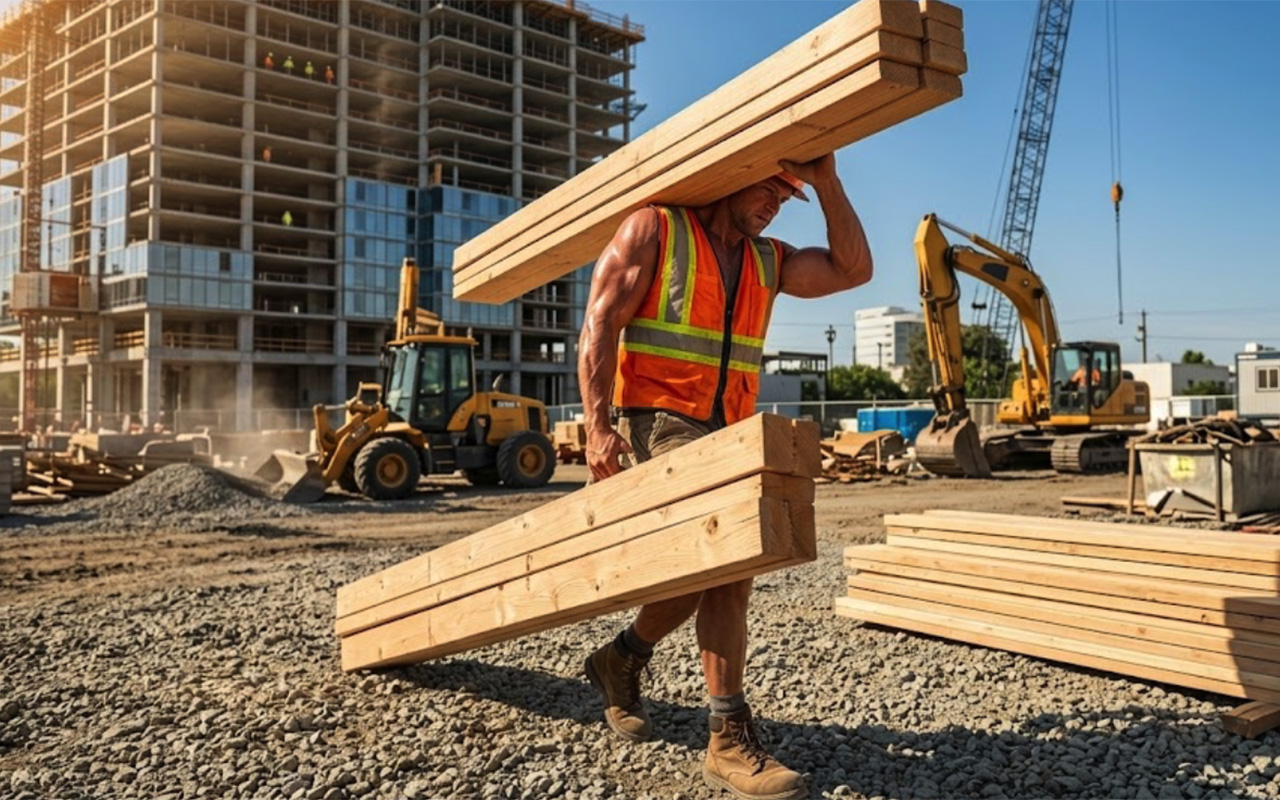
A mason, rigger, or finishing carpenter spends almost the entire workday in motion. You carry materials, lift tools, squat, bend, work with your hands, and maintain stable body position.
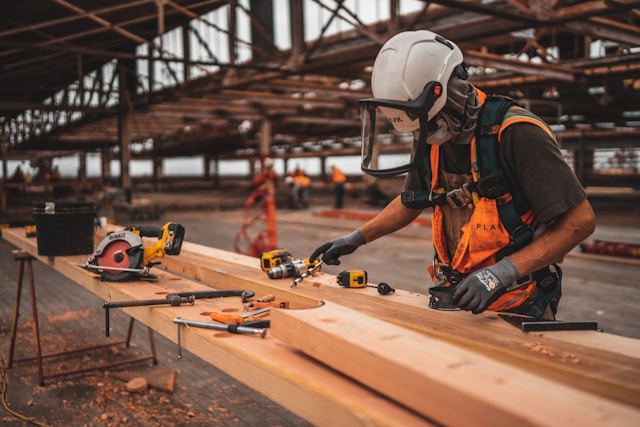
This work especially loads the legs, back, shoulders, and forearms. If the load increases gradually, muscles adapt and overall endurance rises. But construction work requires proper technique. Constantly lifting heavy objects with poor back posture can lead not to a stronger body but to injury.
Gardener
A gardener does not need gym equipment. Working with soil, hauling compost, pruning trees — all of it forces you to change body position constantly.
Legs, arms, shoulders, and core all come into play. Long hours outdoors add ordinary walking on top of the physical load.
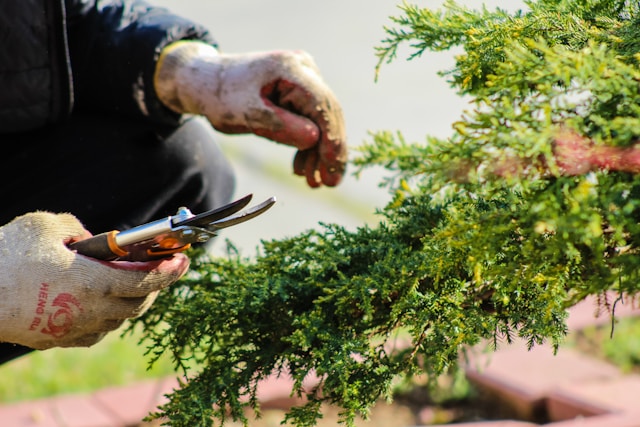
What makes this job distinctive is that the load is rarely monotonous: you walk, bend, lift objects, and move your arms in different directions.
Firefighter
A firefighter works in conditions that demand strength, endurance, coordination, and the ability to move quickly while carrying extra weight. Protective gear alone increases the load. Add climbing stairs, carrying equipment, handling hoses, and moving across difficult surfaces.
The profession requires serious physical preparation even before starting duty. Body changes here are less a random outcome and more part of the job requirements.
Courier
Over a shift, a courier covers dozens of kilometers and has to stay active throughout. Foot couriers who constantly climb stairs develop the most. Regular walking strengthens leg muscles and boosts overall endurance.
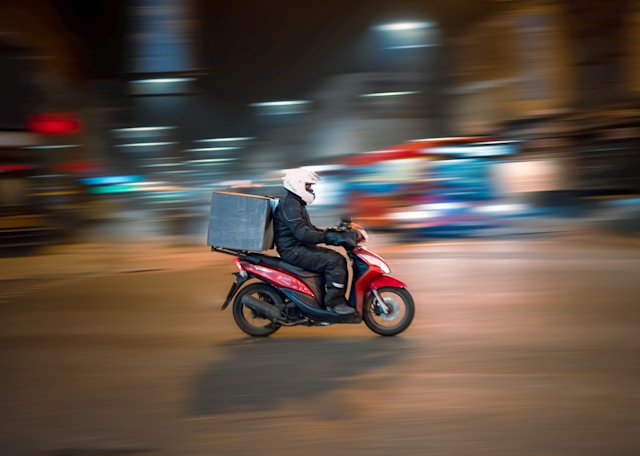
Pace matters too. A casual stroll and several hours of active movement around the city put completely different demands on the body.
High-Altitude Guide
Want to stay in shape and earn well? Become a guide in the Elbrus region — staff are always in demand, especially before the season.
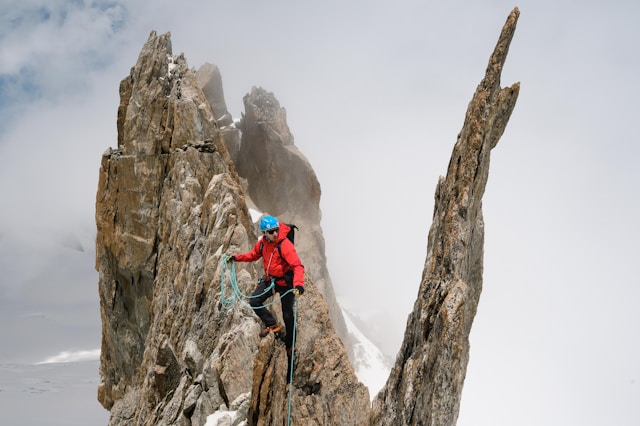
Regular work in hypoxic conditions forces the body to rebuild its circulatory system. High-altitude guides permanently increase hemoglobin and red blood cell levels, develop capillary networks in muscles, and build exceptional cardiovascular endurance.
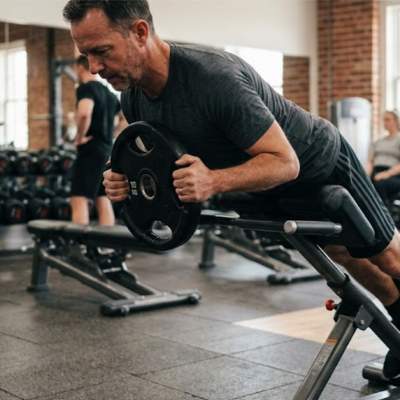
The best approach is to add strength training to an active job. Full development requires different types of load: aerobic activity, exercises for major muscle groups, and recovery. That combination matches WHO recommendations.