If you slept only four hours and face a long workday, coffee helps only briefly. A new study by scientists at McGill University, published in the journal PNAS, showed that a 20-minute workout helps much more — comparable to a full 90-minute nap.
How the experiment worked
Researchers kept 54 healthy young participants awake for 30 consecutive hours in the lab, then split them into three groups:
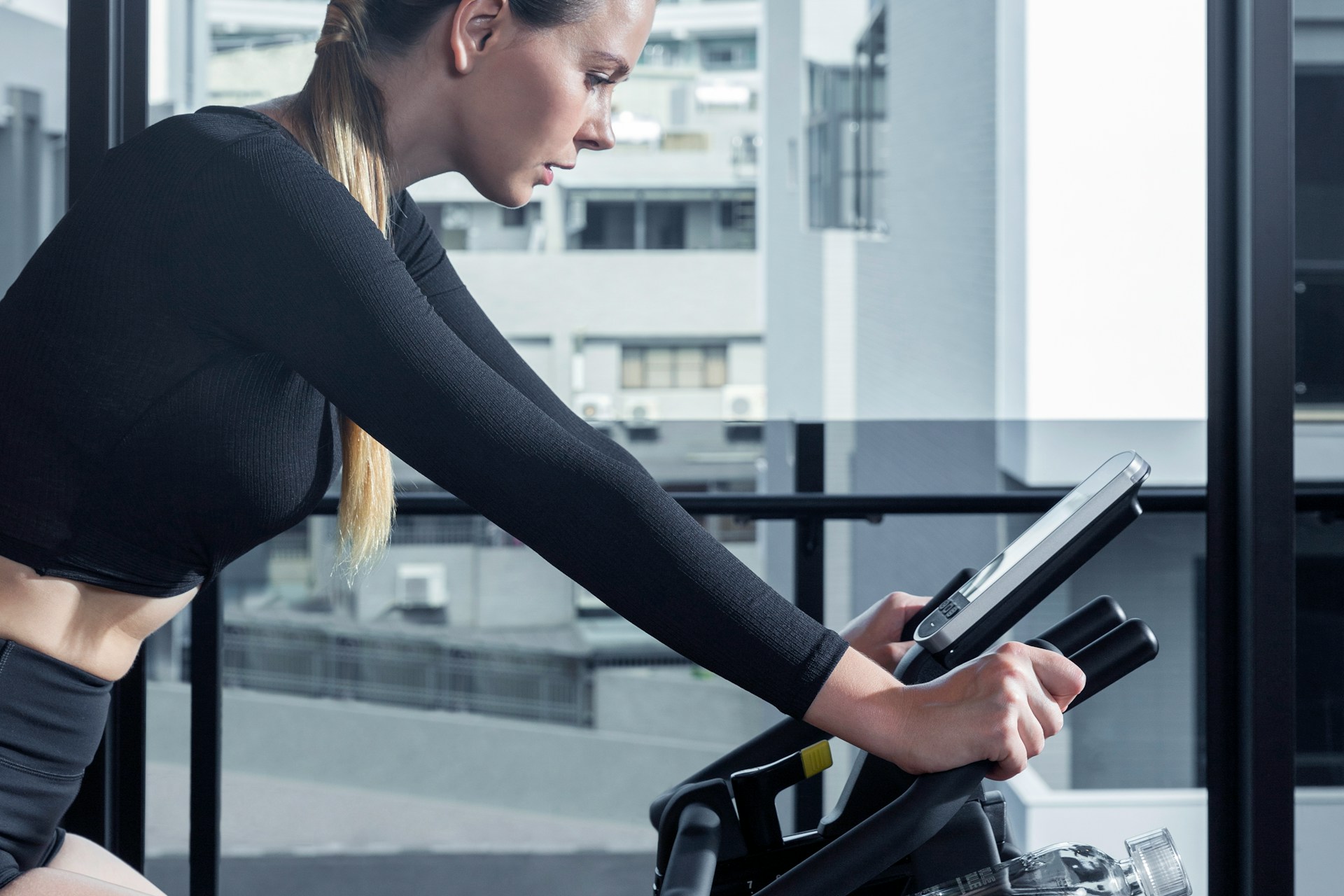
- First group: 20 minutes of moderate-intensity pedaling on a stationary bike.
- Second group: a 90-minute daytime nap.
- Third group (control): sat on the exercise bike for 20 minutes without pedaling.
Afterward everyone was shown a series of images with no instruction to memorize them. Three days later the volunteers were tested on how many pictures they could recall.
How exercise helped
Both the sleep group and the exercise group scored significantly better than the control. Participants who napped recognized 23% more images; those who exercised recognized 21% more. Statistically, the difference between 90 minutes of sleep and 20 minutes of exercise was negligible.

Electroencephalography (EEG) showed the brain achieved this through completely different routes:
- Sleep actually relieved fatigue: sleep pressure in neurons dropped, slow-wave activity decreased, and the brain physically rested.
- Exercise did not relieve fatigue but made the brain work harder: fatigue markers in the exercise group stayed as high as in those who did nothing. Yet the load activated signals linked to efficient information processing at the moment of perception.
Why this matters for people who cannot stop to sleep
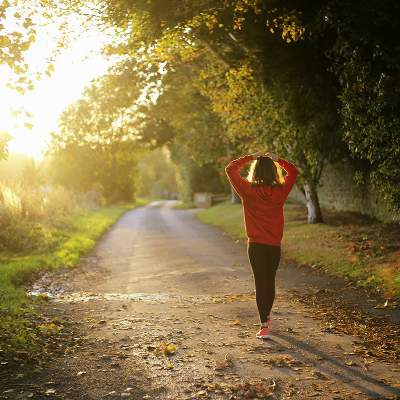
"Many people simply cannot drop everything and nap in the middle of the day. For pilots, doctors on call, new parents, or night-shift workers, even a 20-minute brisk walk is an accessible, simple way to stay sharp," explained senior author Marc Roig.
The researchers added that exercise does not replace a full night's sleep — it only helps temporarily support brain function in an emergency. But if the choice is between trying to push through fatigue on the couch and a 20-minute warm-up, the short workout clearly wins.