After 39, weight can slowly climb even without obvious menu changes. The culprit is not always a sudden “metabolism crash.” The arithmetic is simpler: the same portions, snacks, and sweet drinks can gradually deliver more energy than the body burns. Three habits stand out: eating on the move, drinking calories, and too often choosing foods that barely fill you up.
Calories do not arrive only at lunch
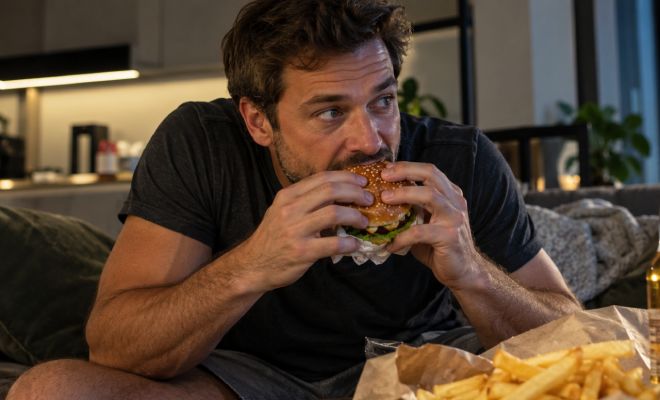
The most annoying thing about extra weight is that it rarely comes from one big feast. More often the gain is built from small pieces.
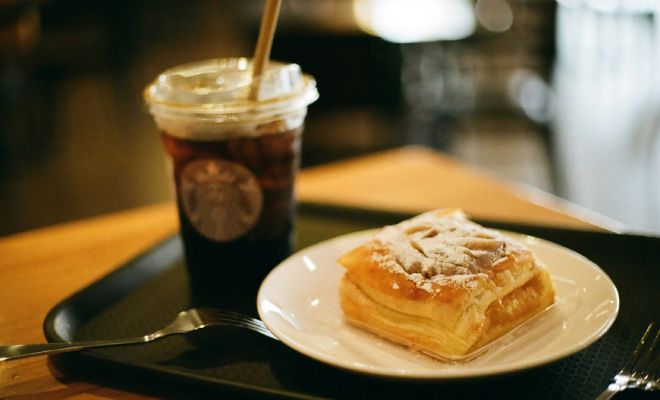
Coffee with syrup in the morning, a handful of nuts between tasks, office cookies, a sweet drink after training, a few chunks of cheese before dinner. Each add-on feels minor, but over a week the picture changes.
So after 39 it helps more to look at the whole day, not one “forbidden” food.
Sweet drinks are the easiest cut
Soda, energy drinks, sweet tea, coffee with syrups, and other sugary drinks share an ugly trait: you can drink them without feeling like you ate anything extra.
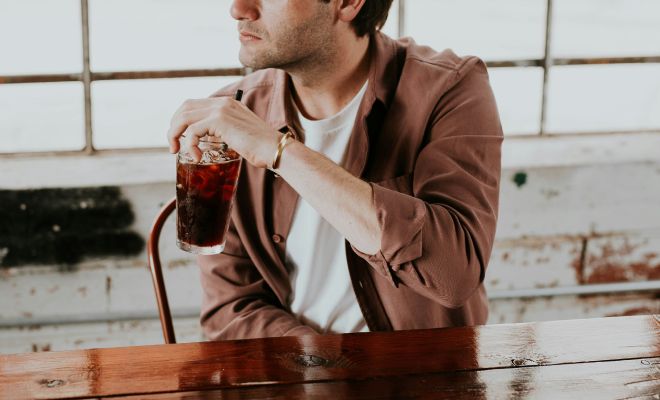
A systematic review prepared for the 2025 U.S. dietary guidelines found that in adults, sugary drinks linked to less favorable body-composition measures and a higher obesity risk.
There is a practical argument too. A meta-analysis of six randomized trials found that swapping sugary drinks for water or other zero-calorie options linked to a small drop in body mass index.
Ultra-processed food quietly changes portion size
Chips, sweet baked goods, ready breakfasts, snacks, and some prepared meals are not united by one ingredient. They are often easy to eat fast, without the sense of a real meal.
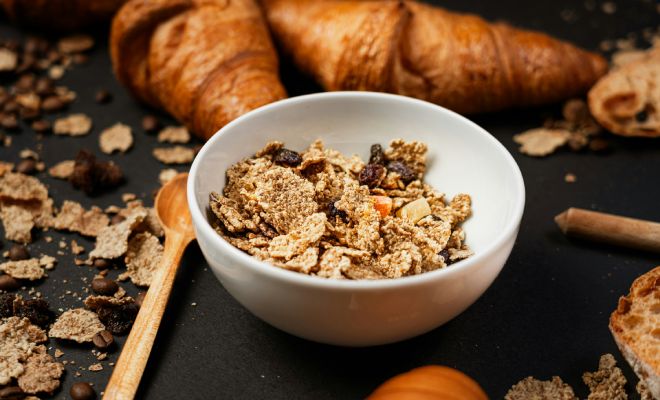
A fresh 2026 meta-analysis of randomized trials found larger weight gain on ultra-processed diets. The authors note an important limit: evidence is not yet enough to separate processing itself from energy density and product composition.
So this is not a war on every packaged food. It is smarter to watch what regularly shows up between main meals.
Age is not the main villain
After 40 the body does change, but the idea that metabolism suddenly “breaks” after 39 is too neat to explain every extra kilo.
What matters more: daily activity may fall with age, and habits, work rhythm, sleep, and portion size shift. If energy burn slowly drops, the old diet no longer has to hold the old weight.

Hence a saner strategy: do not jump on a hard diet because of one number on the passport. Find a few steady sources of surplus energy.
First candidate: sugary drinks. Second: endless snacking. Third: foods eaten fast and almost on autopilot.
What you can do this week, without a diet
You do not have to rebuild the whole diet in a day. A few simple steps are enough to start:
- Swap one sugary drink a day for water, tea, or coffee without sugar.
- Move ultra-processed snacks out of direct sight at home and work, so cookies or chips do not become an automatic bite.
- Add 10 to 15 minutes of everyday activity: walk, take the stairs, a short stroll, or cleaning.

Those changes alone do not guarantee weight loss, but they cut invisible snacking and add movement to an ordinary day.
It is often in those small details that the calorie surplus hides, the one that slowly turns a familiar menu into a reason for gaining weight.