A newly launched rail route has created the world's longest train journey. The transcontinental line links two hemispheres: here is how the trip is built for passengers who will spend three weeks on the move and pass through 13 countries.
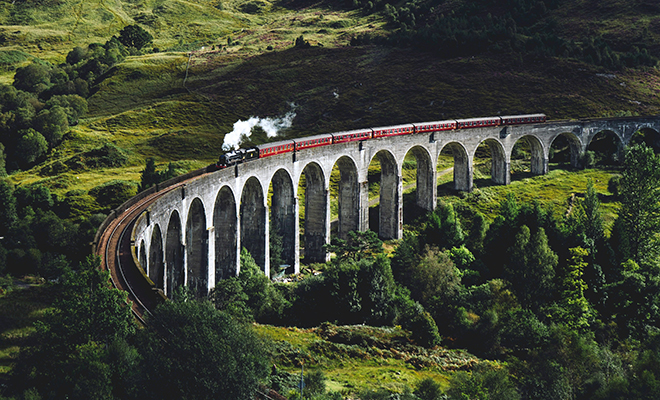
The train leaves from Lagos in Portugal and runs all the way to Singapore. Twenty-one days on the road cost a traveler about $1,300. Years of work went into finishing this grand transit. The missing piece of infrastructure in Southeast Asia changed when a new railway opened: the line connecting Laos and China closed a continuous rail chain across Eurasia.
The logistics of the trip are woven from many national and regional timetables. The path starts on the beaches of Portugal's Algarve, passes through Lisbon, Spain's Basque provinces, France, and Germany. Then it heads east through Belarus and Russia, reaches Asian space, and continues through China, Laos, Vietnam, and Thailand.
Forty hours to Moscow and seven visas in the passport
The route is split into eleven major stretches with overnight stops in cities, which turns the ride into a full sightseeing tour. Passengers can leave the train to spend time in Paris, Moscow, Beijing, or Bangkok, then continue. The longest direct haul on the way is the forty-hour transit between France and Russia.
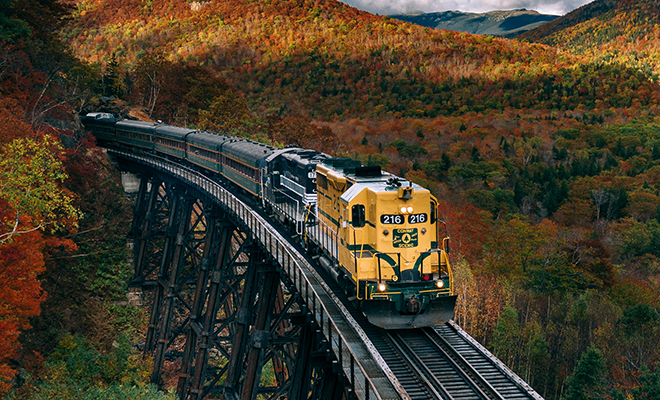
To cross every border, a passenger has to arrange seven different visas in advance. The path is not fully continuous either: on some stretches rails are still missing, so travelers switch to buses. That applies to the transfer from Vietnam to Cambodia and to the final leg from Malaysia to Singapore.
Fans of slow, mindful travel will likely enjoy the trip. For everyone else, a plane will be simpler and cheaper.