One innocent social media photo can start a chain of events that, in a single day, costs you money, a job, or an apartment. The internet does not forgive a moment of carelessness, and browser privacy settings are only an illusion of safety. Here are 5 things you should never put online if you do not want to become an easy target for scammers and thieves.

Boarding passes and event tickets
A happy airport selfie with a ticket in hand is classic vacation content. But posting a boarding pass photo where a barcode or QR code is clearly visible is a hard no.
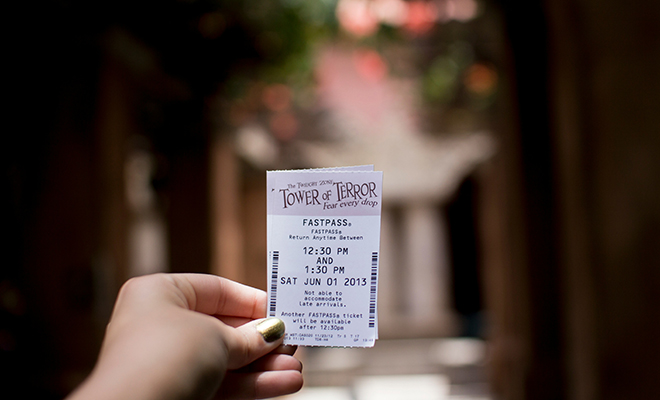
With free tools, attackers can read that code in seconds. It can hold passport data, a phone number, a loyalty account number, and a booking code. With that information, scammers can enter your airline account, cancel return tickets, reissue them to someone else, or steal miles.
The same goes for concert and festival tickets: with your barcode, someone else walks into the event, and your ticket is voided at the door.
Real-time vacation photos
Live streams from the beach and stories with geotags from another country are perfect tips for burglars. By posting those frames you are effectively telling the whole internet: "I am not home, my apartment is empty, and I will be back only in a week."

Professional thieves have long tracked potential victims' accounts by location. If you really want to share beautiful views and travel shots, do it after you are home. Property safety matters more than instant likes.
Documents, keys, and bank cards
It seems obvious that you should not post a passport or driver's license photo, yet people still do it, for example when bragging about a car purchase or a visa. Even if you blurred the series and number in an editor, modern tools and social engineering can often restore or infer the missing data.
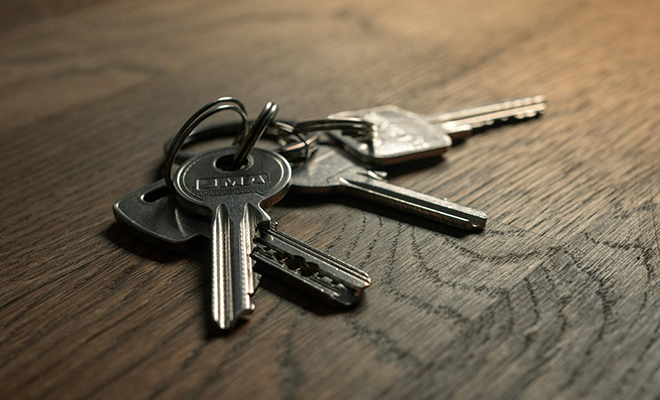
A separate taboo is photos of keys to a new apartment or car. From a sharp high-resolution shot, skilled people can make a duplicate. Bank cards barely need saying: even a front-only photo, paired with your name from the profile, is often enough for purchases on some foreign sites that do not require SMS confirmation.
Complaints about work, colleagues, or clients
A moment of weakness and the urge to vent about a bad boss or difficult client on social media can easily cost someone a career. Screenshots of "honest" posts reach management faster than you can delete them.

Even if you never name the company, finding your workplace from older posts is usually easy. Large employers also check candidates' digital traces when hiring. Toxic posts, gossip about former colleagues, and leaks of internal drama will close doors at decent places.
Exact routes, schedules, and photos of other people's children
Posting photos of children against a school, kindergarten, or sports club background with exact training times puts them at physical risk. That information can be used not only by online stalkers, but by real-world offenders.
Also do not post photos of other people's children (for example classmates of your child at a school event) without clear parental consent. That is a direct privacy violation that can end in a major conflict or even a lawsuit.