A big used SUV often looks like a smart deal. For the price of a new budget crossover you can get a body-on-frame SUV with a V8, leather, air suspension, and that old-school premium feel. After the purchase, though, the same detail almost always shows up: fuel.
This is not an abstract "it drinks a lot." It is about 20 to 25 liters per 100 km in the city, a tank that disappears faster than a week goes by, and fill-ups where the total on the pump stops looking fun after the first full tank.
We picked five of the most typical SUVs that still show up widely on the used market and keep surprising owners with fuel use. The mileage for the estimate is 20,000 km a year in ordinary city and mixed driving.
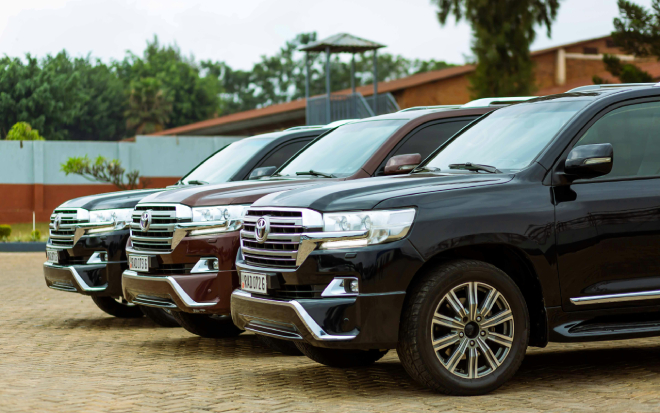
Toyota Land Cruiser 200 is a classic that even people who never owned an SUV know. Buyers take it "for years," and it often really does last.
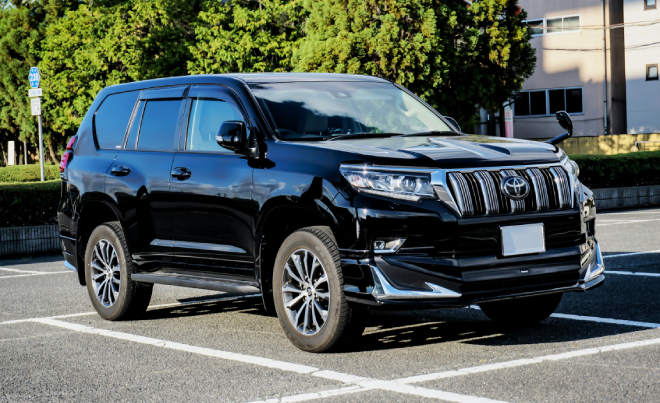
The gasoline V8 version has a simple trait: in the city it easily hits about 18 to 22 L/100 km. That is not about hard launches. It is ordinary driving with traffic and warm-ups. At today's fuel prices, that is already a real budget line: hundreds of dollars a month on gasoline alone.
One detail owners often mention: real consumption climbs hardest in winter. The reason is plain: short trips. The engine never settles into a normal regime, and the fuel is already gone.
Lexus LX 570 is built in roughly the same way, but it hits the wallet harder. Formally it is the same Land Cruiser, only in a richer shell with a 5.7-liter V8.
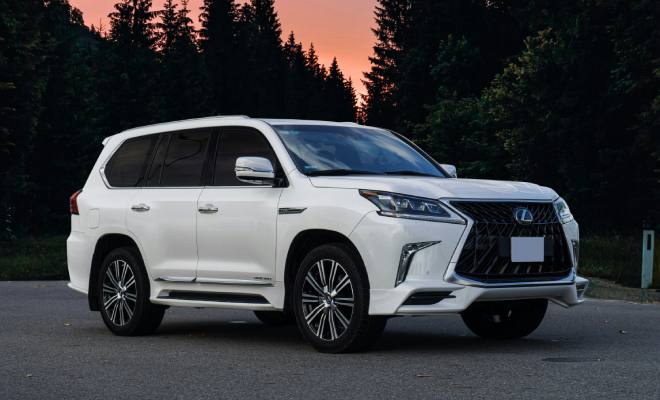
In the city, 20+ liters is normal. The tank feels almost symbolic against that appetite: 138 liters disappear faster than you expect from a vehicle this size. A full fill-up easily turns into a sum you need to brace for first.
Nissan Patrol Y62 is often bought as a Land Cruiser alternative, especially when you want more power for less money on the used market.
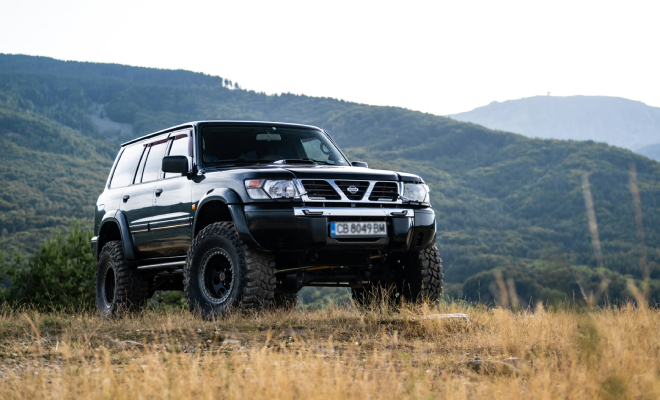
The 5.6 V8 feels lively, but it does not rewrite physics. In the city it is about the same 20 to 22 L/100 km. In traffic the numbers sometimes climb higher, especially on large wheels and with a full load.
Owners note a characteristic detail: range on one tank rarely feels generous. Even with calm driving, the sense that the fuel needle drops too fast appears almost at once.
Infiniti QX80 is the same class, the same approach, the same engine, but a different emphasis. More comfort, less utility.
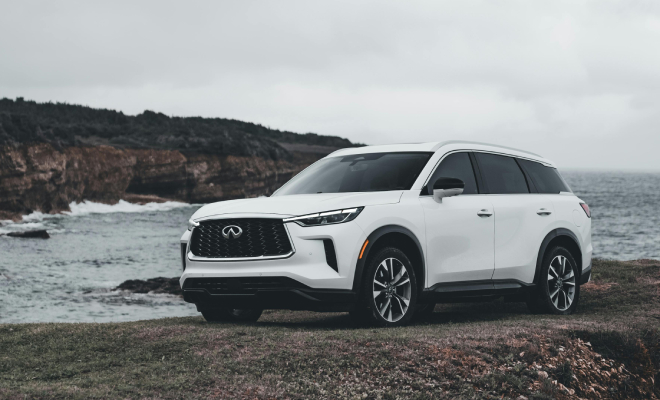
On fuel there are no surprises: 20+ liters in the city is the norm. With harder driving it goes higher. The truck is often seen as a "cheaper LX alternative" until the regular fill-ups begin.
That is usually where perception flips: savings at purchase are gradually offset by fuel costs.
Chevrolet Tahoe is the only American in the set, but in a way the most honest of the group. Big body, V8, simple ownership logic.
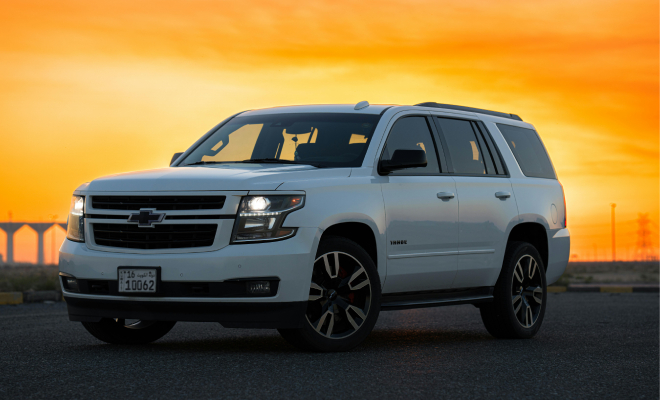
In the city it usually holds around 18 to 20 L/100 km, but in traffic it easily approaches 22. A 90+ liter tank empties fairly fast if the truck is used every day.
Interestingly, Tahoe is often bought by people who really need the big cabin. Only later comes the understanding that third-row comfort and a huge cargo area are tied directly to fuel use.
All five share one simple trait. They were built in an era when fuel use was not the main constraint. So even in 2026, on the used market, they still live by the old rules.
Look at them without emotion and the formula is plain: the more attractive the purchase price, the faster the real cost of ownership comes back through the fuel pump.