Fifty is the age when health care gradually changes meaning. It is less about looks or trying to keep a body that looked 30, and more about staying able to live without major limits. Longevity specialists advise starting that work early. Research says that around 50, five areas matter most: muscle, balance, endurance, key health markers, and overall fitness.
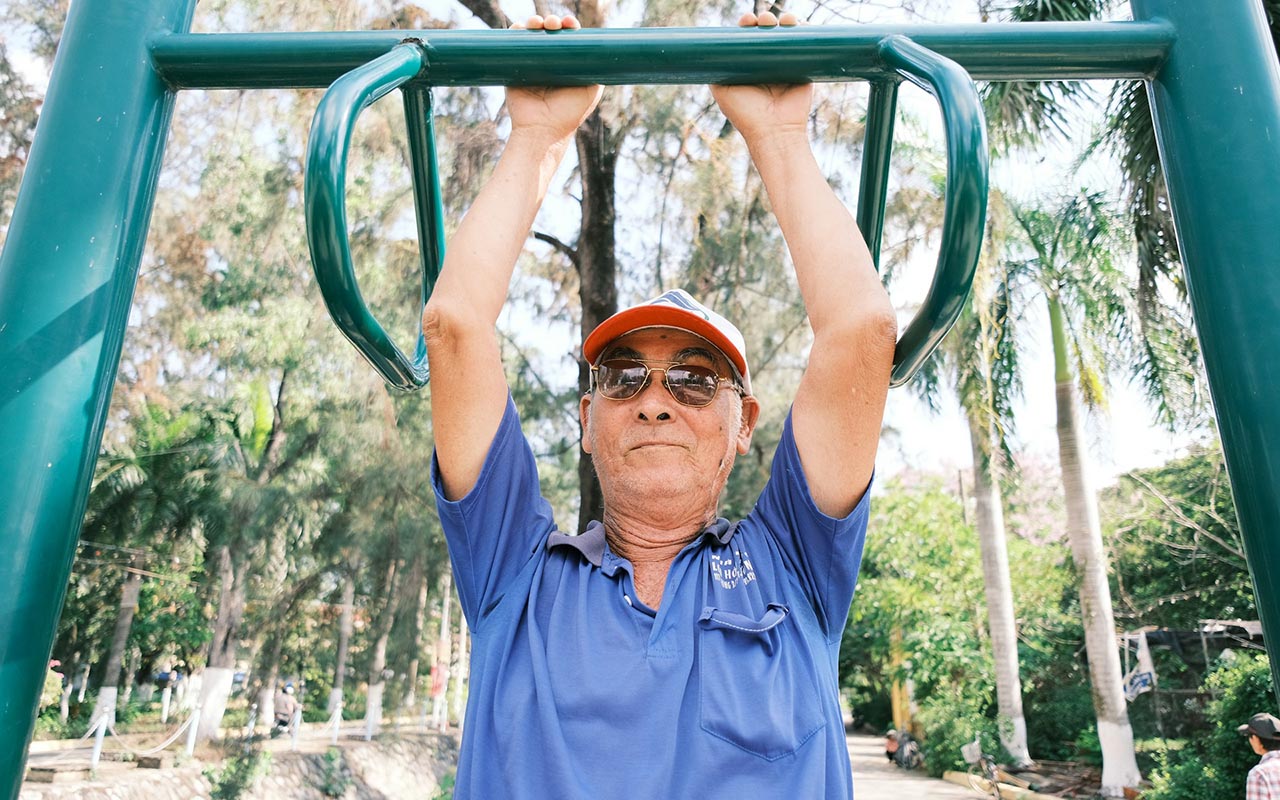
Start building muscle on a regular schedule
With age, strength stops being just a sports metric. It is directly tied to doing ordinary things on your own: standing up from a chair, climbing stairs, carrying groceries, lifting luggage, and staying steady while you move. So strength training should become a fixed part of the week long before daily tasks start to feel harder. Free weights, machines, resistance bands, and bodyweight work all count.

Clinical guidance for adults calls for strength training at least twice a week, hitting the major muscle groups. Paired with aerobic activity, it helps preserve physical function and health.
That does not mean turning workouts into competition prep. The goal is more practical: keep enough strength in reserve for ordinary life.
Train balance before problems show up
Balance is easy to ignore while it works automatically. But standing confidently, walking on uneven ground, going down stairs, and stepping over a curb matter more with age.

Spears advises adding balance and coordination work early, while also keeping leg strength and joint mobility. That approach is especially useful for lowering fall risk later on.
European centers for disease prevention recommend that people 65 and older combine aerobic activity, strength work, and balance training. Simple options include walking a line or sit-to-stand exercises.
You can start those drills well before 65. Then balance practice becomes a normal part of activity, not a reaction to trouble that has already arrived.
Build endurance
An ordinary walk is good activity, but it does not always reveal your cardiorespiratory fitness. You can stroll a few blocks calmly and still tire fast on a hill climb or a longer hike. So around 50 it pays to do aerobic work that truly raises your heart rate. That can be brisk walking, swimming, cycling, running, or another activity you can stick with.
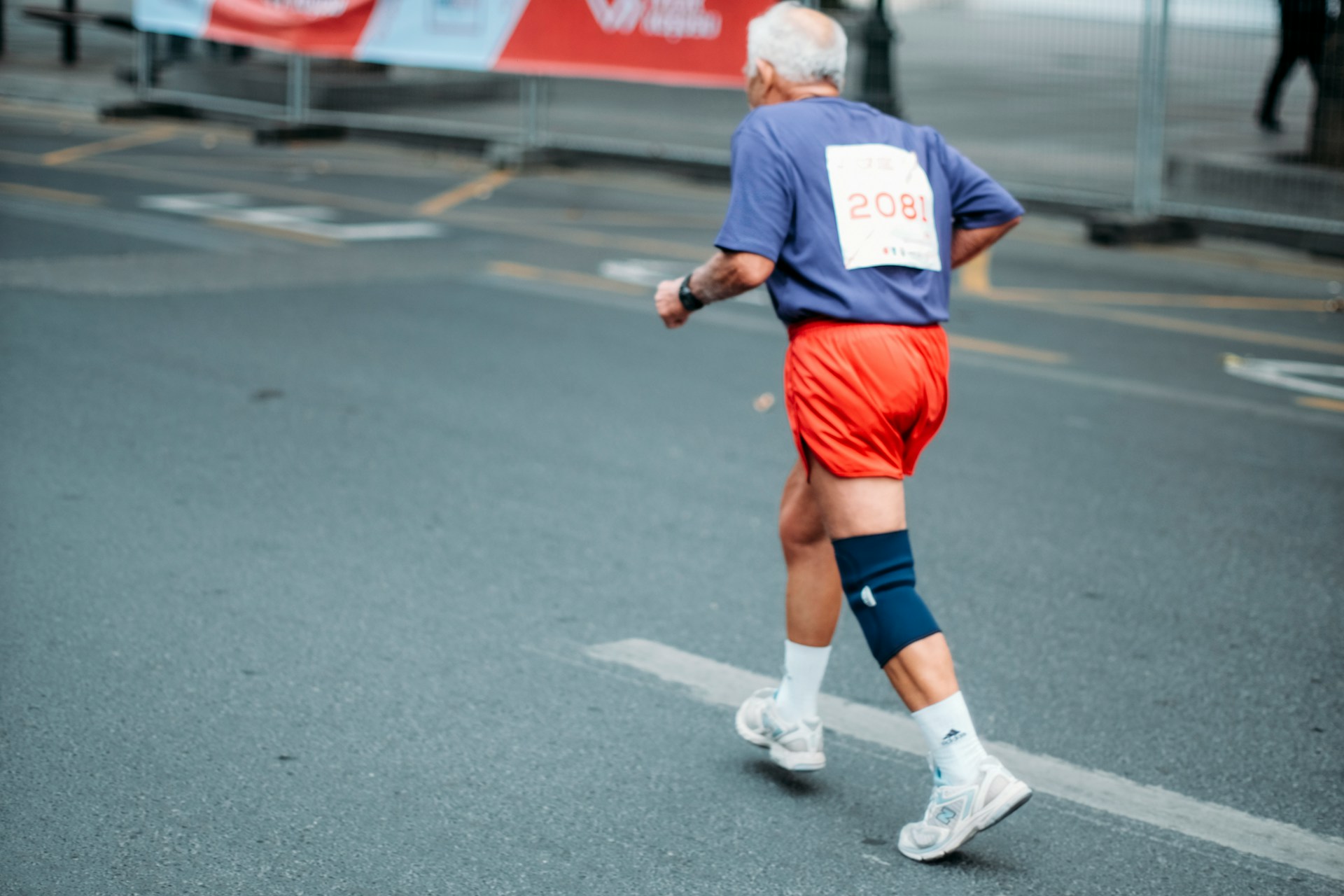
For adults 18 to 64, the WHO recommends at least 150 minutes of moderate aerobic activity a week, or at least 75 minutes of vigorous activity. For extra benefit, moderate activity can rise to 300 minutes a week.
That endurance is not only for sports results. Good fitness makes it easier to spend a full day on your feet, climb several floors, cover a long airport walk, or take a tour without feeling emptied out.
Do not put off blood pressure, sugar, and cholesterol checks
Feeling fine does not always mean the main markers are fine. High blood pressure, elevated cholesterol, and glucose problems can go for a long time without obvious symptoms.

Cardiology guidance lists blood pressure, cholesterol, glucose, body weight, and other cardiovascular risk factors among the key things to track. Measure blood pressure regularly, and set cholesterol and other check schedules by individual risk.
Instead of chasing the fitness you had decades ago, it is more useful to decide what should still be available later. Strength work protects muscle function, cardio supports endurance, balance training builds stability, and tracking blood pressure, cholesterol, and sugar helps you notice changes that everyday life does not always reveal.