Picture the familiar scene from books: a wooden sailing ship drifts for months at sea, food is nearly gone, the crew suffers from scurvy. Drop a hook over the side and dinner is ready, or so it seems. In reality sailors almost never fished. Ordinary plankton played a larger role in that story than most people think.
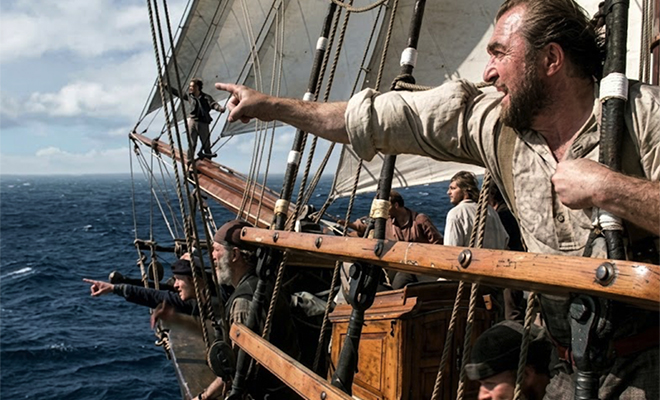
The open ocean is a vast desert
The ocean is not packed with life the way many imagine. Most marine creatures stay near coasts, shallows, and coral reefs, where plankton and nutrients are abundant.
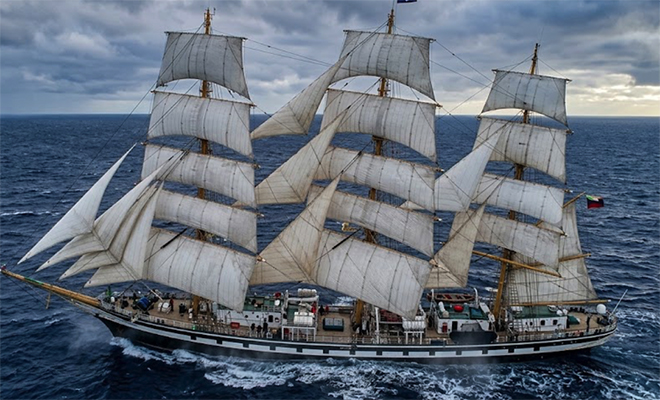
In biomass, open water is closer to a dry sandy desert. Far from land you can sail hundreds of kilometers and never meet a school of fish. Casting a line into that water is pointless.
You cannot fish under sail
A sailing ship moves at about 7 to 15 kilometers per hour. Real fishing under those conditions is technically impossible:
- Any nets tear at once under the pressure of water at speed.
- Line or cord is pulled to the surface, where there is no catch.
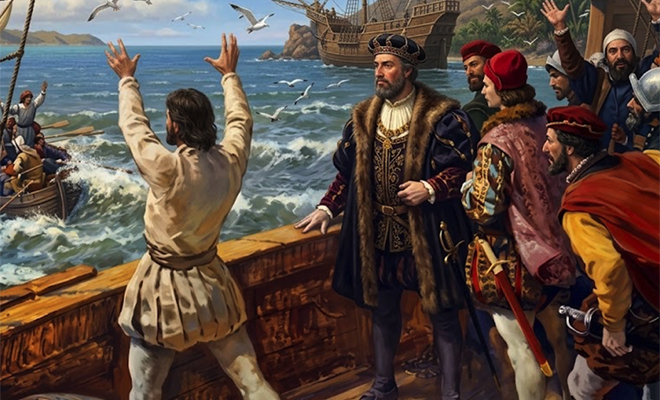
A proper fishing stop means dropping all sail and lying to. No captain would give up a fair wind and delay the voyage for a vague chance of landing a couple of fish.
Fish demand too much fresh water
Even when sailors hauled in a large fish, in the tropics that could become a problem. Fish is pure protein. Digesting it takes a huge amount of fresh water.
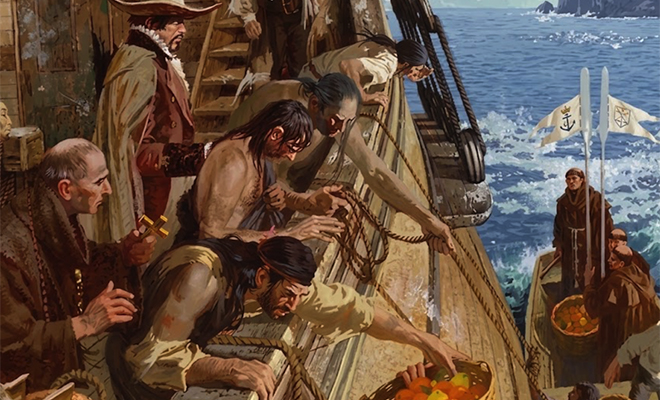
On sailing ships water was the most precious, strictly rationed resource. Fresh fish in the heat would drive fierce thirst, and crews would die of dehydration far sooner than from mild hunger.
Dangerous toxins and quick spoilage
In warm southern waters many fish, even ones that look harmless, accumulate a natural toxin called ciguatoxin from plankton.
Poisoning can cause paralysis, and sailors of the past had no way to test a catch for toxicity.
Without refrigeration, raw fish spoils in a few hours in the heat. No captain would spend precious ship salt curing a random haul.
Rules and no gear
An 18th-century sailing ship was a strict military or commercial enterprise. Sailors had no free time for quiet hours with a rod: the day was endless watches and hard work on sails and rigging. Ships did not carry special fishing tackle either. Holds were packed with what kept for years: hardtack and barrels of salt meat.
In the end a dry biscuit, even with a hint of mold, remained a safer calorie source than a risky hunt for rare fish in the emptiness of the open ocean.