While you sit in morning traffic and talk work or personal matters on speakerphone, your own car may be taking notes on every word. Modern cars are giant gadgets on wheels, packed with microphones, cameras, and GPS sensors. Experts say it is not hard today to turn on a cabin mic remotely and learn where you go and with whom. The biggest worries now track the rise of smart Chinese EVs.
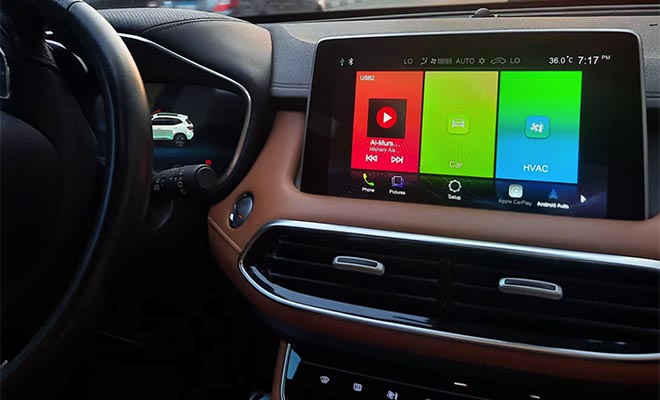
Built-in ears: how cars became a sensor network
Modern vehicles collect huge amounts of data nonstop. Parking and lane-keep cameras watch the road around you, cabin sensors track driver fatigue, and voice-assistant infotainment keeps microphones on.
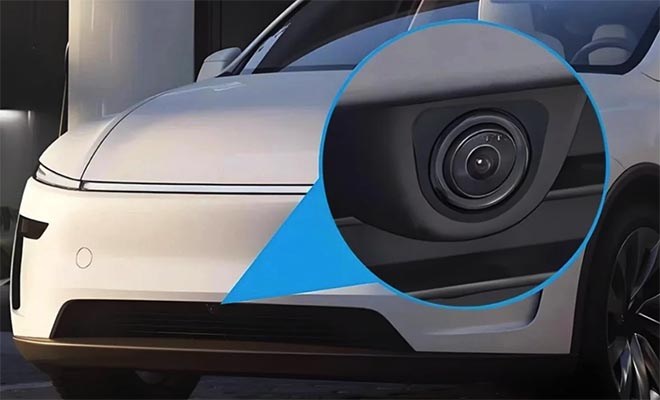
An AIVD document says that data is not just stored on a local drive. It goes to remote servers over a constant network link. Third parties, including foreign intelligence services, can reach microphones, location, and the driver’s contacts.
Smartphones on wheels and China’s push
European analysts especially worry about cheap, high-tech cars from China. Brands like MG, BYD, and Jaecoo (a Chery sub-brand) are taking share fast: in the UK alone, Chinese marques already account for about 15% of new registrations. The Jaecoo 7 even hit the sales charts near the top.
The issue is less the head units themselves than the law. Under China’s national intelligence rules, companies must help state bodies collect information on demand.
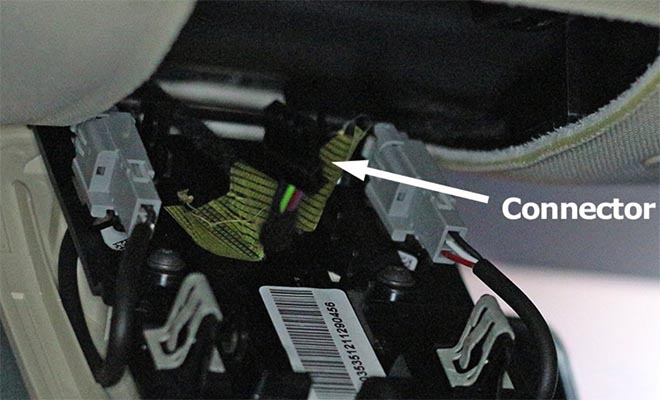
For intelligence services, that means a direct line into data from millions of cars on European roads.
Bluetooth bans and caution
Dutch spies are not alone. British firms earlier urged staff not to pair work phones with Chinese EV media systems over Bluetooth or USB.
Drivers may need a new habit: treat cabin privacy as strictly as a personal phone or laptop.