The Great Sphinx on the Giza Plateau is more than a lion body with a human face. Since about 2500 BCE it has sat at the foot of the pyramids, and even in 2026 it still feeds archaeology feeds with fresh questions.
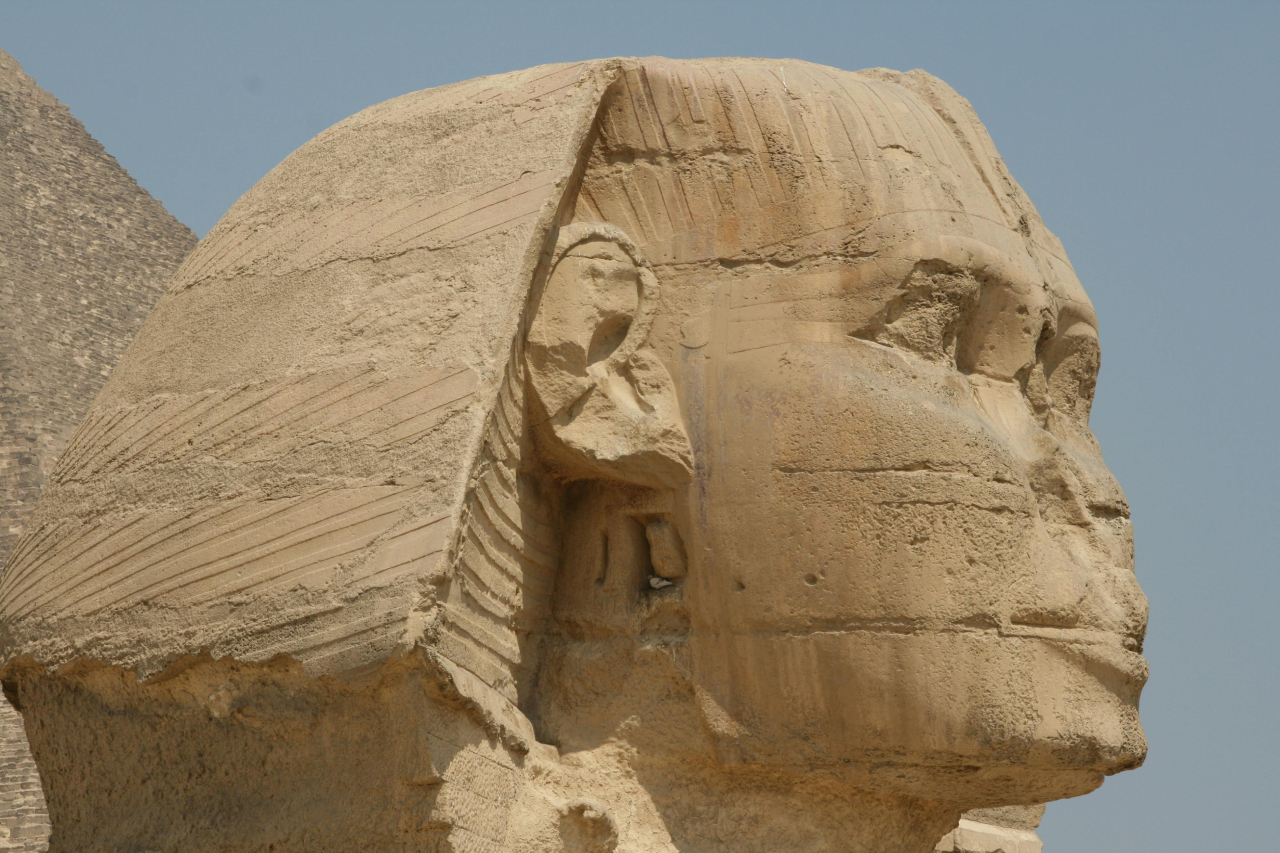
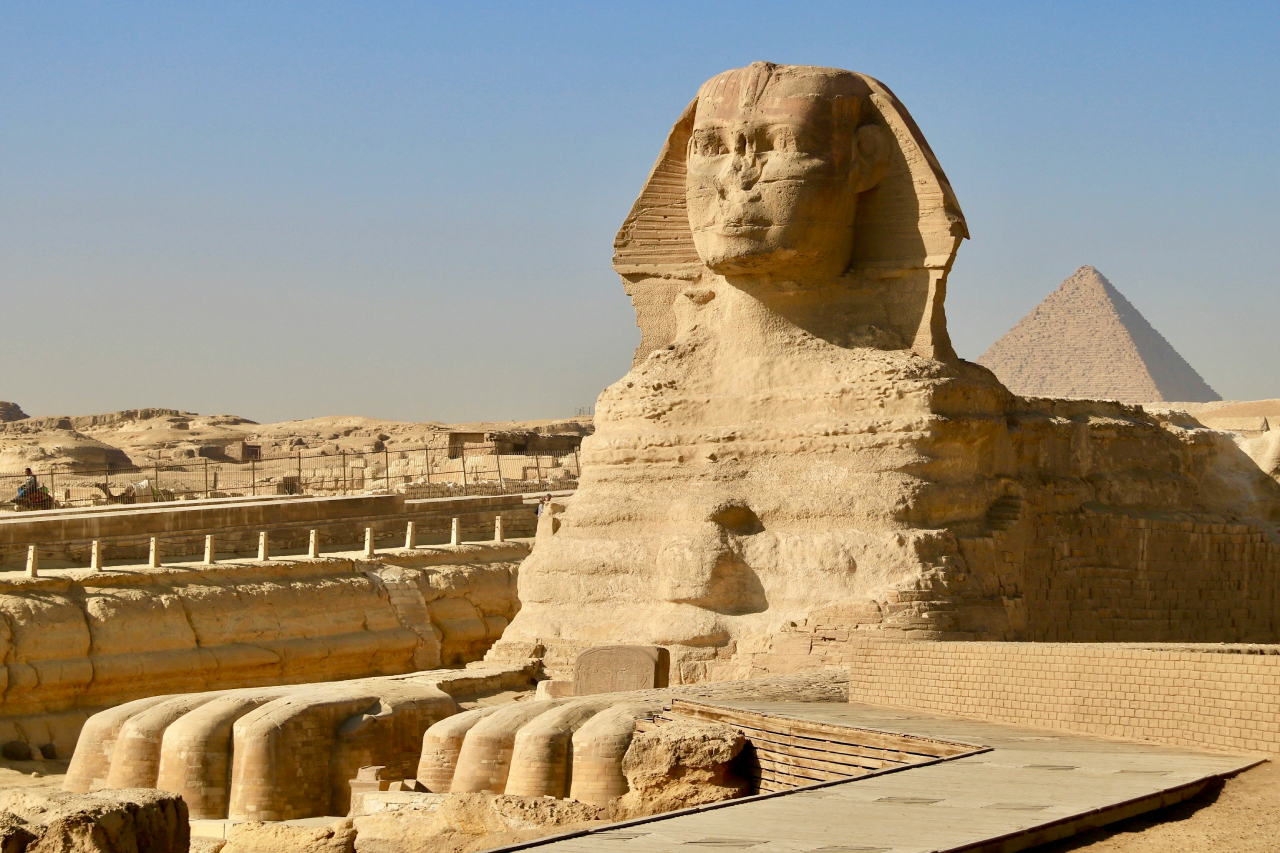
Most Egyptologists place its carving under Pharaoh Khafre roughly 4,500 years ago, likely as a guardian for his pyramid complex. About 20 meters high and 73 meters long, it was cut from the limestone bedrock, one of antiquity’s largest stone sculptures.
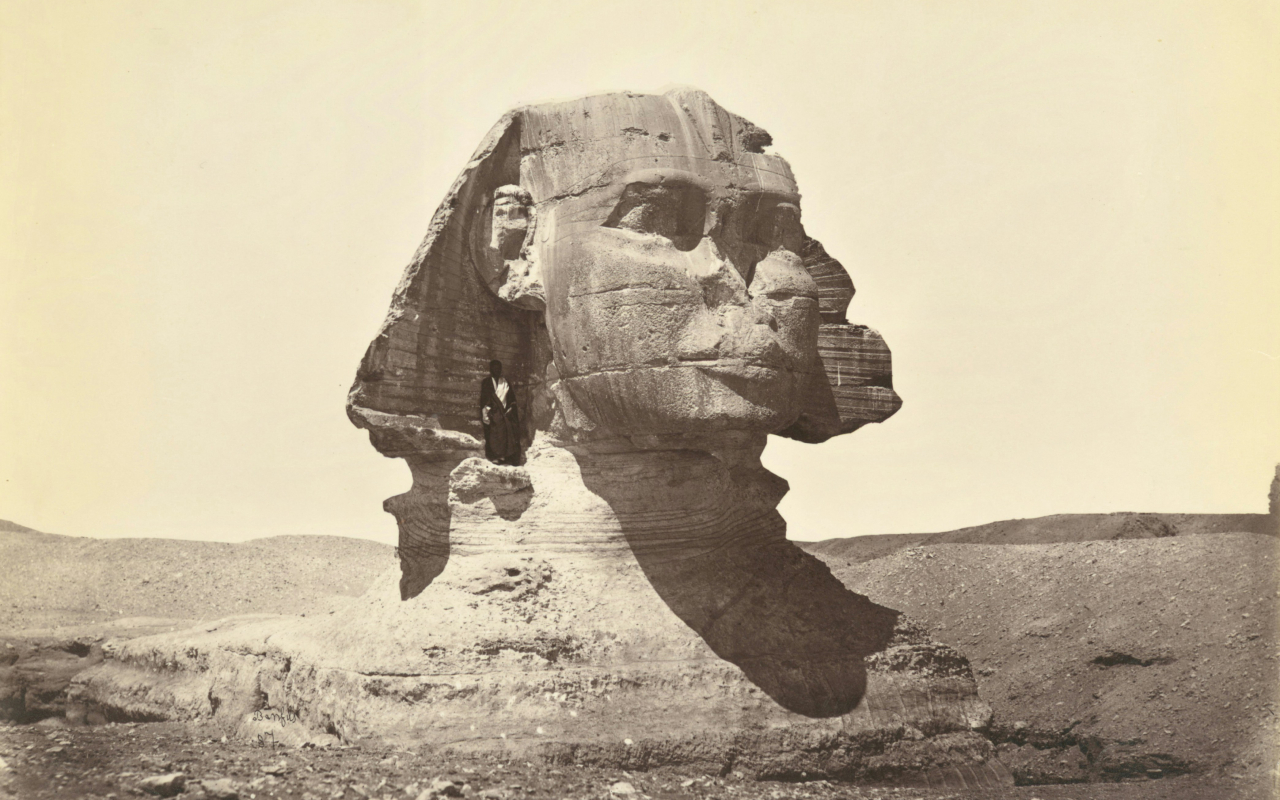
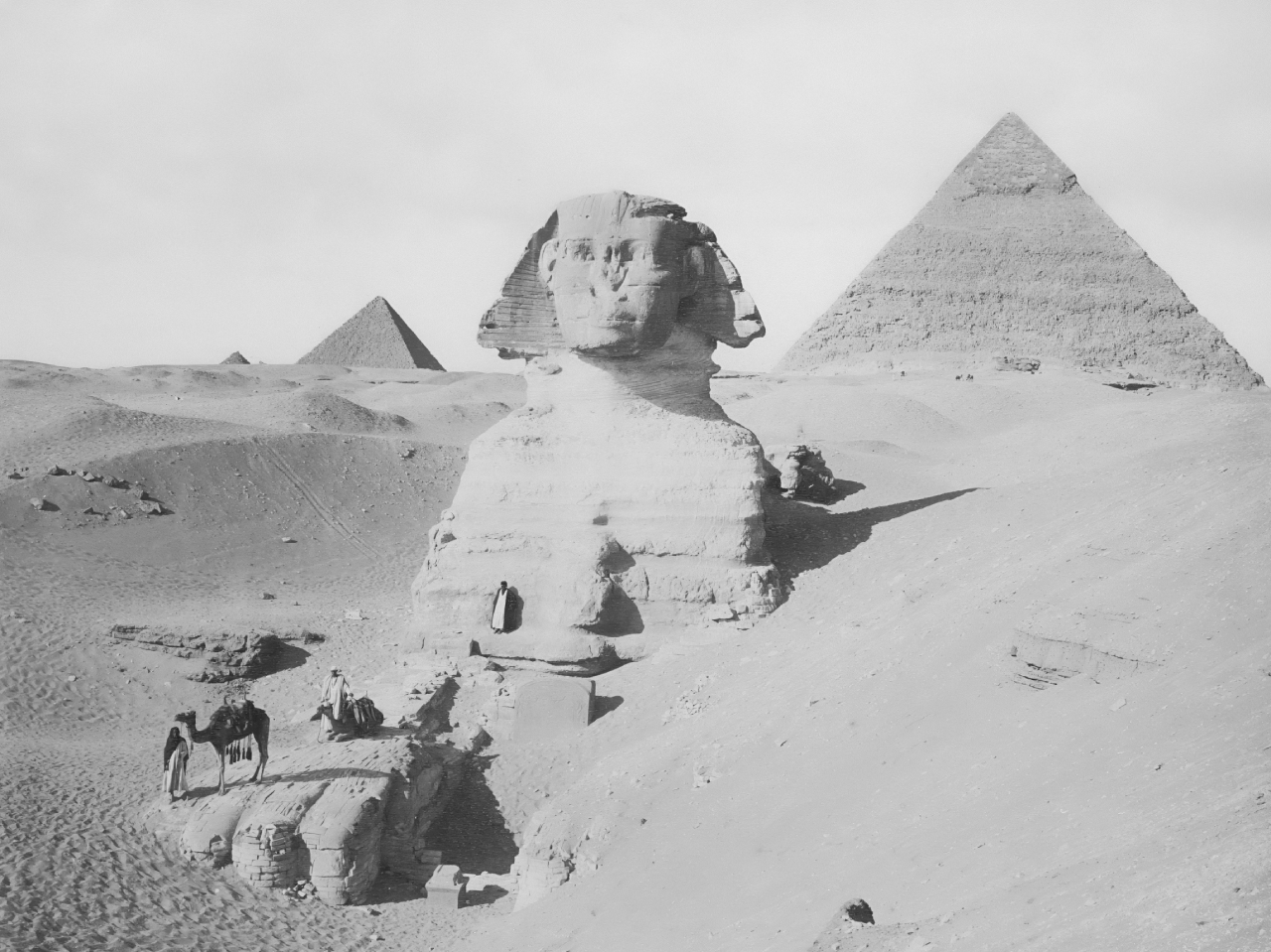
Official work shows the statue was buried by sand more than once. Clearance was already attempted under Thutmose IV around 1400 BCE, then again in the nineteenth and twentieth centuries when European teams finally stripped the thick deposits.
About 200 years ago, travelers often saw only the head above the dunes. The full body returned to view through those modern digs.
Newer tech adds its own puzzles. In 2025 teams using ground-penetrating radar and electrical tomography reported anomalies under the plateau that look like voids or corridors down to about 10 meters. Full digs are tightly restricted in Egypt, so the signals remain unexcavated questions on the most studied archaeological ground on Earth.
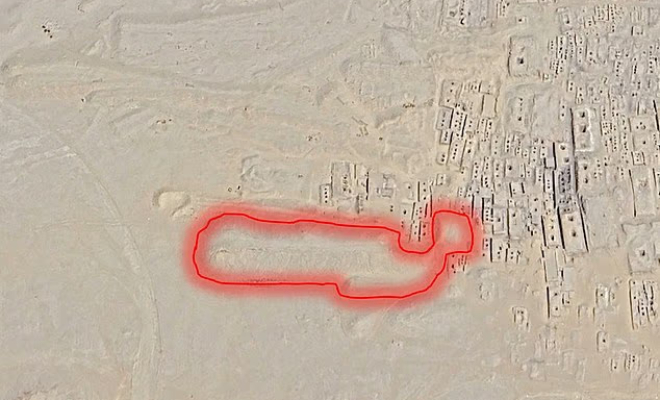
In March 2026 an Italian group reading satellite and radar data floated a second figure or megastructure near the classic Sphinx. The claim spread fast. Working Egyptologists stay skeptical without excavation or peer-reviewed proof.
Stories of secret chambers last partly because real shafts exist under and around the Sphinx, some ancient, some natural. Surveys have not turned those gaps into a vault of wonders. Most read as cavities, antique cuts, or later tunnels.
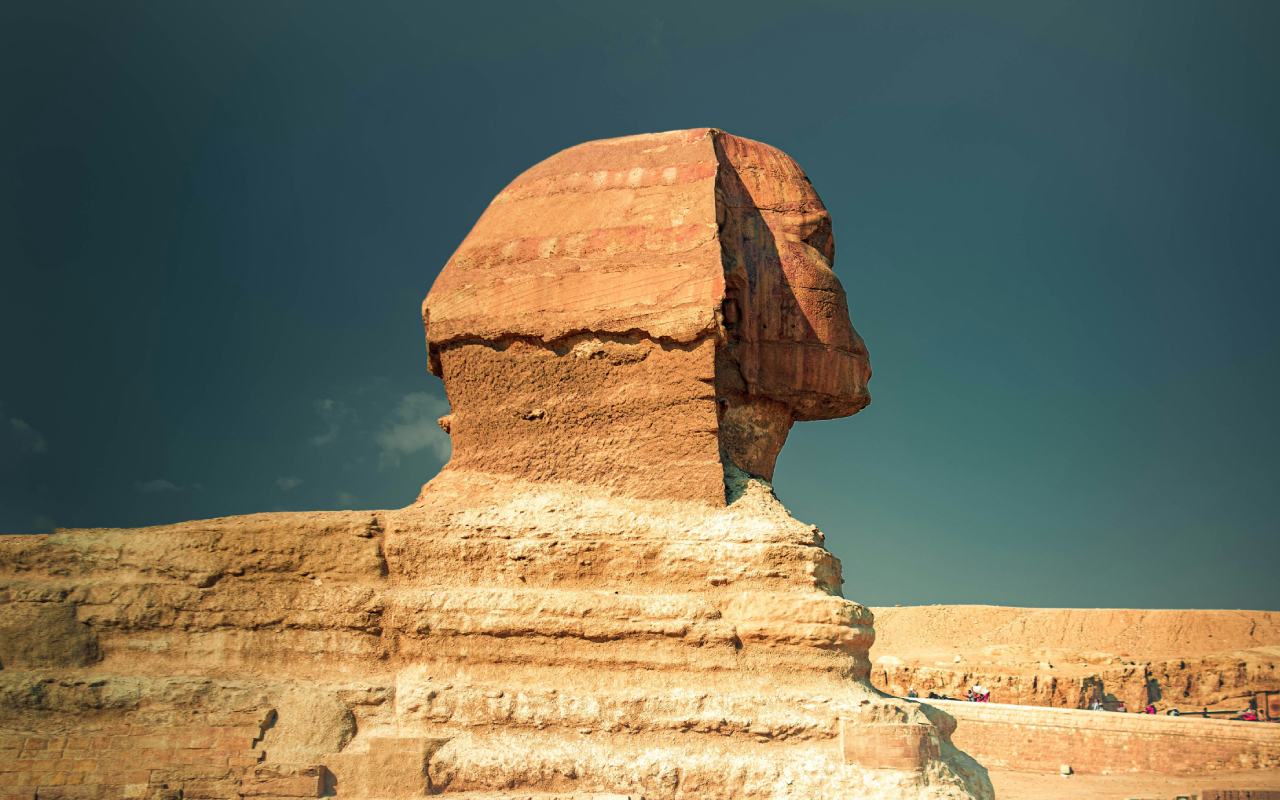
The nose myth still circulates: Napoleon’s troops as the vandals. Historians say the nose was already gone long before the late-eighteenth-century campaign.
The Sphinx was once painted. Traces of pigment remain; red on the face may echo solar symbolism, while wind, sand, and rare hard rains explain the heavy weathering.
Egypt tightly controls fieldwork on the plateau. New finds move through permits and documentation, not rumor threads. The Sphinx stays both a fixed monument and a living prompt for the next round of questions.