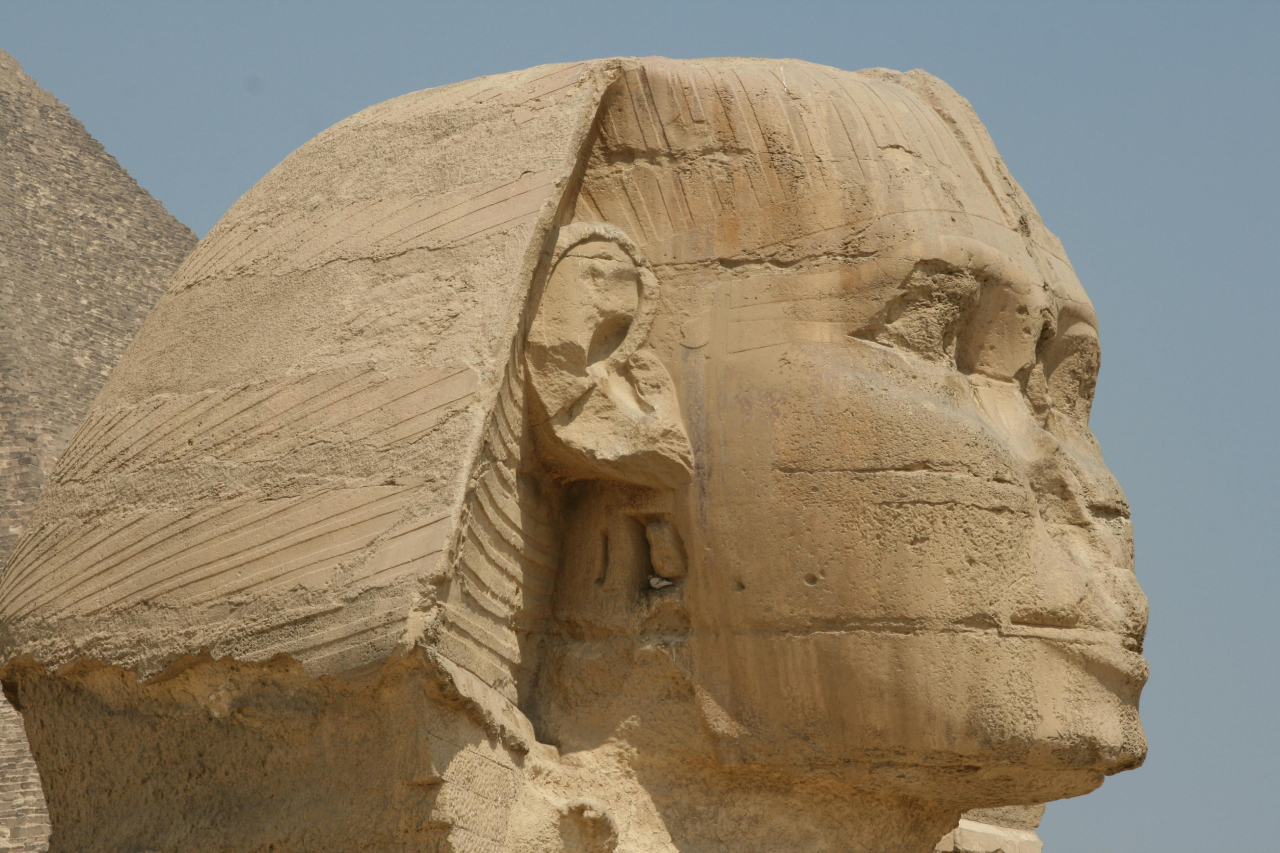
In the productivity chase people buy planner apps, swallow sketchy nootropics, and pay for brain courses. The cheapest high-leverage tool still sits in a desk drawer: a plain pen.
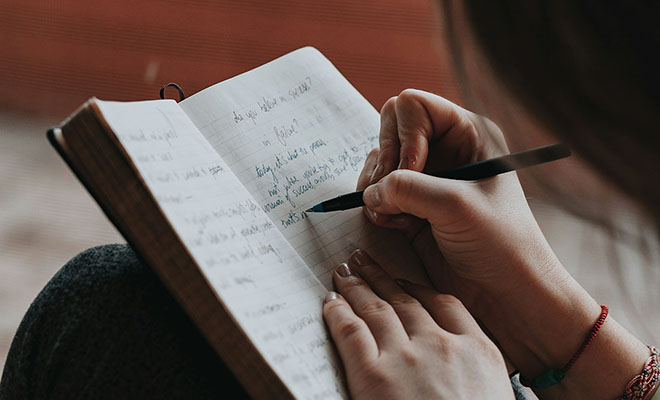
What handwriting does to the cortex
Gadgets were supposed to just save time. Professor Audrey van der Meer at NTNU in Norway pushed back with high-density EEG (256 sensors) and mapped what the brain does while you encode information.
System neuroscience keeps finding that physical writing can boost cognitive work that typing largely shuts down.
- Handwriting produced strong, coordinated theta and alpha waves. Central and parietal cortex linked into a dynamic network: motor memory, visual control, and analysis locking together for encoding.
- On a keyboard that network fell apart. EEG showed a sharp drop in activity; large stretches of cortex went passive and key hubs stopped talking.
Biomechanics is blunt. Forming letters is a hard coordination task: thousands of micro-moves per word, spatial trajectories the brain must compute. Every keypress feels the same. No challenge, shallow encoding.
The Princeton note-taking study
While European labs tracked physiology, Pam Mueller (Princeton) and Daniel Oppenheimer (UCLA) tested learning. Hundreds of students took complex lectures either on laptops or in paper notebooks.
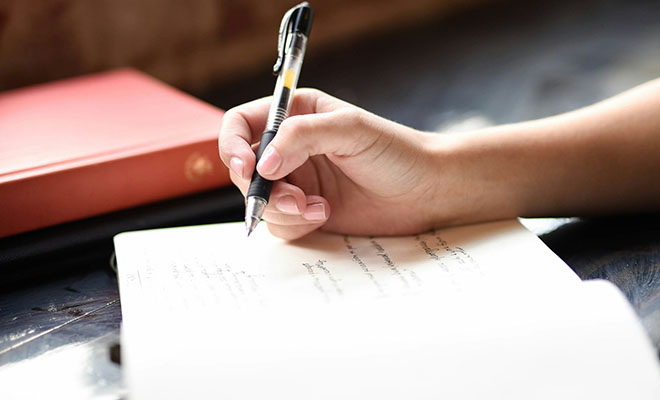
On deep-understanding tests the handwriting group crushed the laptop group. Text analysis of the notes explained why:
Laptop users typed fast enough to act like mindless printers: near-verbatim transcripts with almost no analysis on the way through.
Paper writers were capped by hand speed. That forced filtering, cutting filler, and restating ideas in their own words mid-lecture.
Prioritizing, compressing, and paraphrasing is the learning. The keyboard lets you skip that stage.
Three analog habits
When tools are everywhere, deep focus and structured thinking become scarce. Analog tools are not nostalgia; they are a way to run the brain harder.
- Plan the day on paper. Writing goals engages parietal areas tied to longer-range forecasting. A pen plan feels like a commitment, not an editable file.
- Capture hard knowledge by hand. Courses, contracts, dense reading stick better when you sketch markers and mind-maps with arrows on a sheet.
- Work problems on paper. List inputs, pros, and cons by hand. Slower writing slows the thought stream and surfaces links you skip when typing.
Keyboards still win for routine copy and shipping finished text. When the job is original thinking, deep learning, or a high-stakes call, the slower paper path often gets you there sooner.