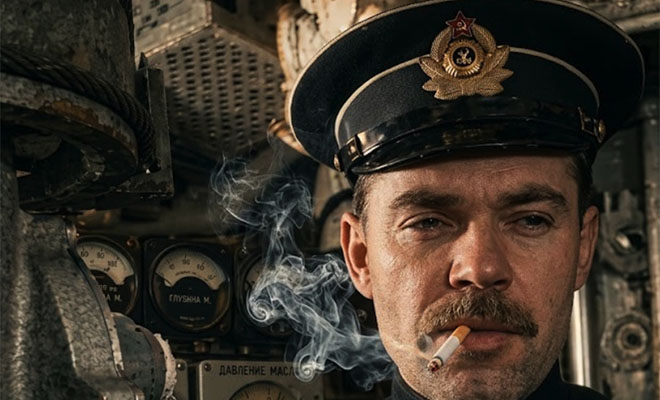
Months of sealed patrol on a Soviet nuclear boat were an extreme stress test. About 80% of crews were heavy smokers, and cutting nicotine cold at hundreds of meters depth risked rage and fatal mistakes around a reactor. Engineers made smoking underwater possible.
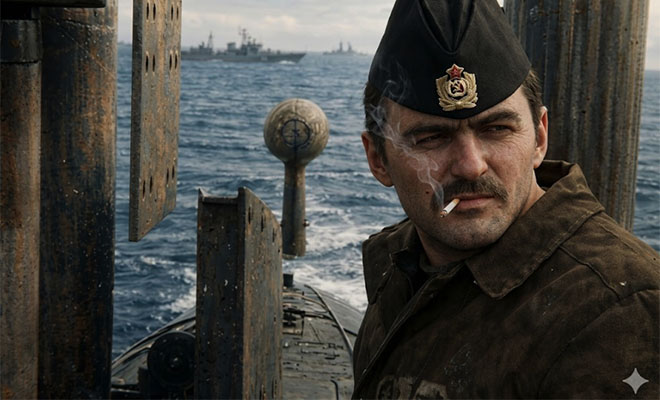
In the 1950s, when diesel-electric boats of projects 613 and 641 still dominated, the rule was absolute: lighting up submerged counted as an emergency. Oxygen was rationed minute by minute; by the time a boat surfaced, CO2 in the compartments was often so high a match would not catch.
The only legal nicotine fix came under snorkel (RDP) or on the surface. The CO gave a short OK and three or four men hit the icy bridge. Ocean spray in the face, a few deep pulls, then try to stockpile the buzz for days. Men who could not cope at depth chewed dry tobacco or held an unlit cigarette in the mouth for hours.
Catalytic burners on the nuclear fleet
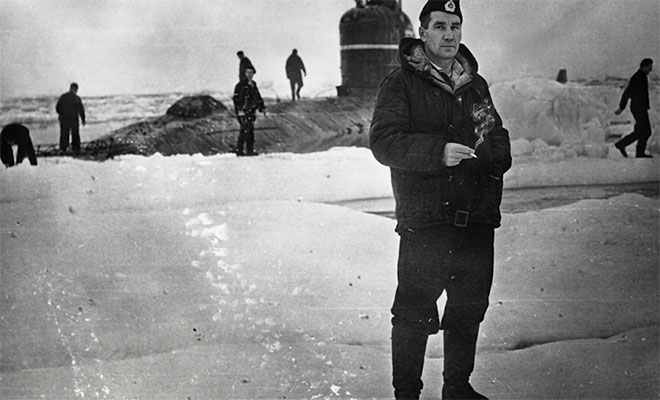
Once nuclear boats could stay down for three months, the old bans failed. Thirty days without a smoke would turn a crew into a powder keg, so designers built legal smoking zones into SSNs from the Project 627 Kit boats through the giant Project 941 Akula cruisers.
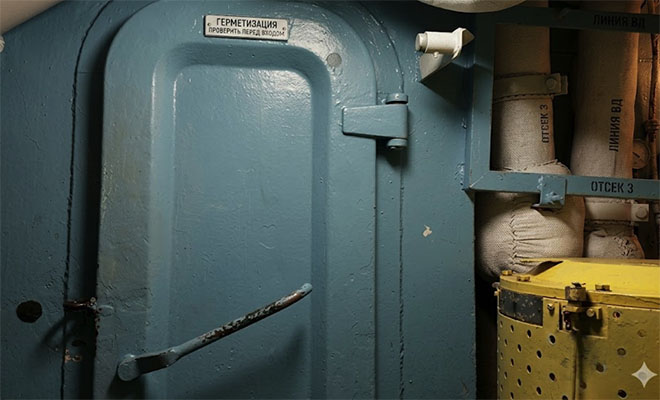
Smoking rooms sat aft, often near the turbine space where air moved hardest. Walls got non-combustible plastic and a strong dedicated exhaust. You cannot dump smoke overboard under ocean pressure, so dirty air went into catalytic CO burners (KDO).
At about 300°C those units burned carbon monoxide and heavy tar at the molecular level and returned clean air to the ship’s ventilation loop.
What went into the patrol tobacco kit
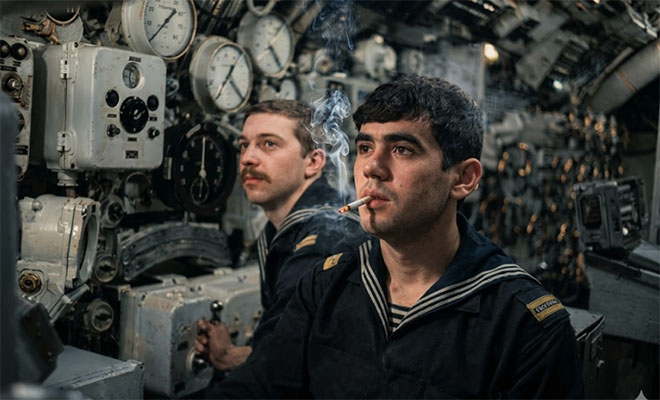
Supply for closed patrols followed Defense Ministry orders and a hard class split:
- Officers and michmans got filtered smokes: Leningrad Kosmos, Moscow Stolichnye, or cult Java. In better periods, scarce Bulgarian imports like Rodopi or Stewardess.
- Conscriptees got harsh unfiltered tobacco: Belomorkanal papirosy, nuclear-strength Prima, Astra, or dense Okhotnichye cigarettes sailors nicknamed “death in the swamp.”
Why a secret smoke counted as sabotage
Smoking outside the fitted zone was banned for chemistry, not etiquette. Life support used regenerative plates (V-64 sodium peroxide) that ate CO2 and released oxygen. Touch organic dirt or oil and that oxygen can flash-ignite.
Battery wells also bled flammable hydrogen. A lighter spark or ash in the wrong compartment could trigger a volume explosion that burned the boat’s insides in seconds.
Caught smoking by a torpedo tube and you were permanently beached, wolf-ticketed, and handed to a tribunal.