Saint Helena is an island you won't find on an ordinary tourist map — yet it holds one of the world's most unusual stories. Napoleon Bonaparte spent his final years here; today just over 5,000 people live on this remote corner of the Atlantic, where everyone knows each other by name and life follows a familiar rhythm.
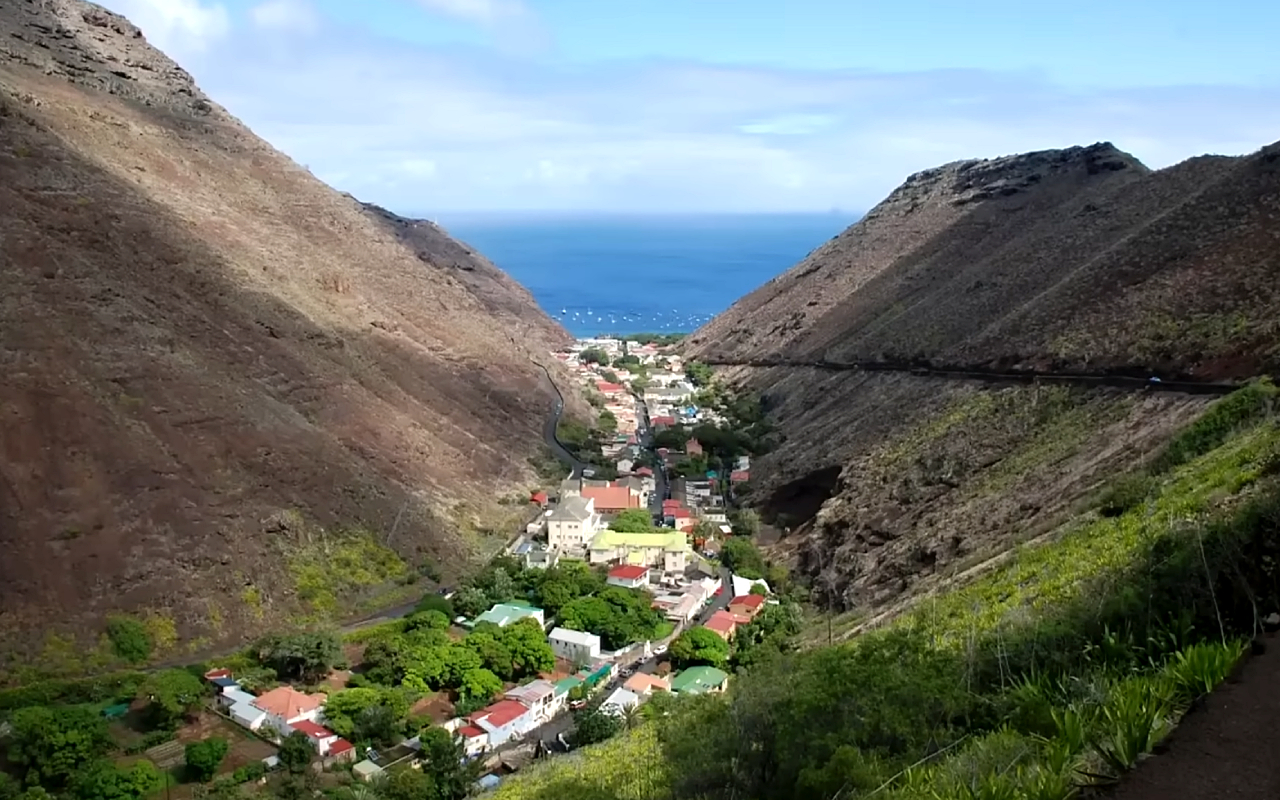
The island sits nearly 2,000 kilometers from Africa, in the middle of the open ocean. You can reach it only by sea or on a small plane from Johannesburg that arrives once a week. The local airport opened in 2016–2017 — the project cost tens of millions of pounds, but its runway is so short and winding that pilots call it "the most nerve-wracking airport on the planet." In February 2026 flights were even temporarily suspended because of problems certifying fire equipment — on an island where life rarely throws surprises.
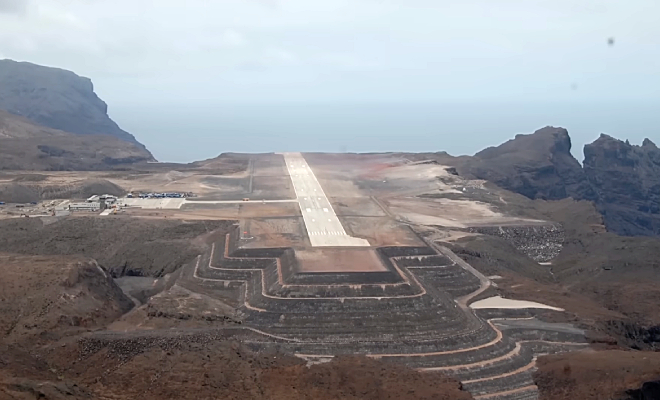
Saint Helena seems frozen in time: there are no police officers or big stores, but there is a tight-knit community and a strong sense of local pride. About a third of residents live in Jamestown, a small town with colonial architecture; the rest are scattered across valleys and cliffs where endemic flora still grows and you can spot rare birds found nowhere else on Earth.
_1985._St_Helena_Island,_South_Atlantic_Ocean-660 1.jpg)
Photo Peter Neaum, CC BY 2.0, link
The island's history is dramatic and romantic at once. A Portuguese navigator discovered it in the early 16th century; later the Dutch and British fought over Saint Helena. After Waterloo, Napoleon was sent here into exile — Longwood House and the other homes where he lived became the main tourist sights. But that's only a small part of the charm: you can climb extinct volcanoes, walk trails along rocky cliffs, and see an ocean that seems boundless.

Photo Peter Neaum, CC BY 2.0, link
Modern tourism is only picking up speed: eco-tours, birdwatching, trekking, historical walks through Jamestown — all of this makes Saint Helena a real find for anyone seeking the unusual instead of a standard beach holiday. Despite the remoteness, life on the island is busy: people grow coffee, catch fish, practice crafts, and preserve traditions of British and African culture.
Saint Helena is an island of contrasts: the grandeur of history intertwines with harsh isolation, colonial architecture sits beside wild nature, and the noisy modern world seems almost a mirage beyond the horizon. For travelers, journalists, and lovers of the unusual, this place is a true magnet — every stone holds a secret, and every day brings a small wonder.