Sometimes changing one element in the diet is enough to affect lifespan. That is the conclusion of scientists studying amino acids and aging: an experiment showed that lowering isoleucine in food can markedly extend life and improve health.

The mouse study drew attention for its precision. Instead of familiar calorie or protein cuts, researchers focused on one amino acid: isoleucine. It is essential: the human body cannot make it, so it arrives with food, mainly from meat, eggs, dairy, and legumes.
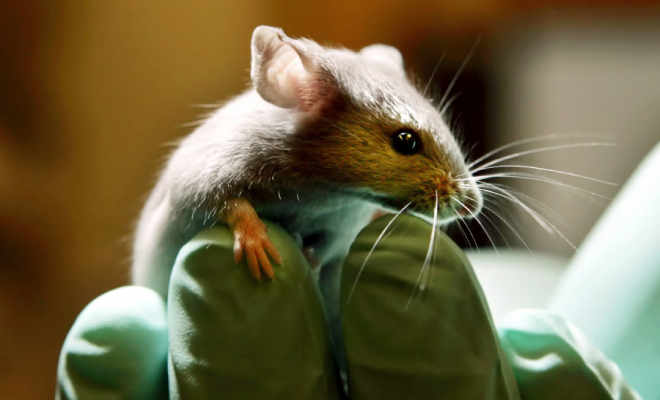
Genetically diverse middle-aged mice (roughly a human age-30 equivalent) were split into diets: standard, lower in all amino acids, and restricted only in isoleucine.
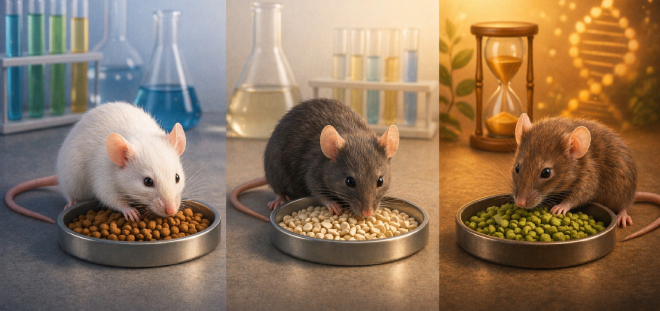
That last option worked best. Male lifespan rose about 33%, female about 7%. Cutting all amino acids did not match that effect, which underlines diet composition over sheer volume.
Researchers saw not only longer life but better health. Mice on lower isoleucine showed steadier blood sugar, better endurance, and muscle strength. More than 20 positive aging-related changes were noted.

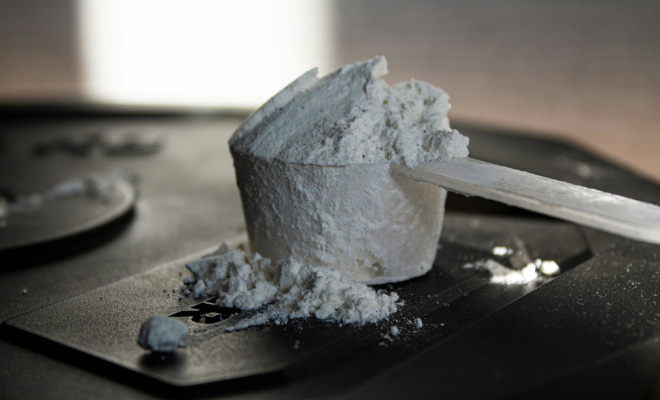
Photo fernando zhiminaicela from Pixabay
Interestingly, the animals did not eat less: appetite rose. Yet they stayed leaner and burned more energy. That effect is linked to metabolic shifts, including better insulin sensitivity.
The authors stress that the key was not total food volume but composition. “A calorie is not just a calorie: different diet components hit the body differently,” notes Dudley Lamming.
Why isoleucine? It matters for metabolism and tissue repair. Newer work suggests excess may link to metabolic trouble. Higher branched-chain amino acids (BCAAs), including isoleucine, are increasingly tied to obesity and type 2 diabetes risk.
Human observations track the trend. People with higher BMI tend to eat more isoleucine, and blood levels correlate with worse metabolic health. Scientists stress this is not isoleucine itself as a villain, but excess under a high-calorie diet.
Results cannot be copied straight to humans. Slashing protein or single amino acids can be dangerous and cost muscle. Any diet change must stay balanced.
Still, the research direction looks promising. Scientists increasingly say longevity may sit less in harsh diets and more in finer nutrition tuning, including amino-acid balance. That could lead to new diet guidance and drugs that nudge how such compounds are metabolized.