They out-earned actresses, hung with rock stars, and could lift a brand with one appearance. In the 1990s, supermodels became the first true influencers. The twist in 2026: interest in them is peaking again. Campaigns, runways, and style boards keep calling them back. So how do the legends of that era live and earn now?
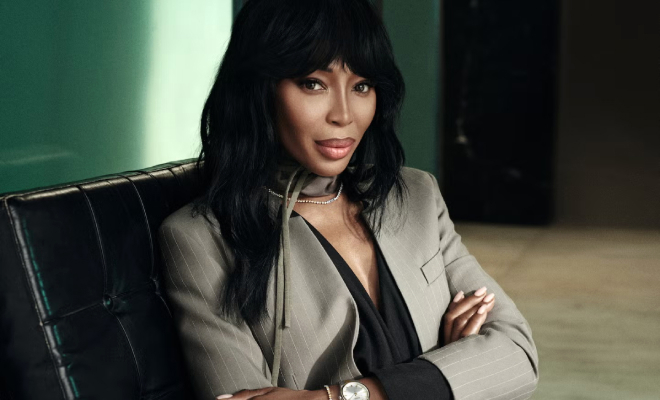
Naomi Campbell never became a museum piece. She still works the industry’s present tense: big shows, big projects, and every appearance treated as an event. She also helped prove age is no longer a hard ceiling in fashion. Campbell became a mother after 50 and later announced a second child, sparking debate worldwide.
In the ’90s she helped open doors for other Black models, and the industry still credits that push.
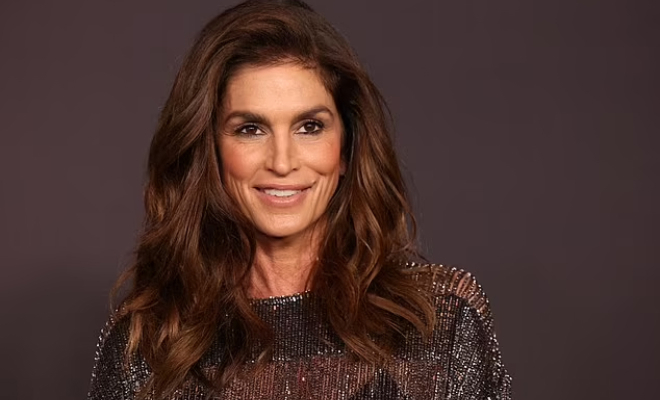
Cindy Crawford shows how to stay in the game without living on the runway. She built durable businesses and still earns from her brands, shoots, and partnerships. A new wave of attention returned with ’90s aesthetics and her daughter Kaia Gerber’s career.
Early on, people told Crawford to remove her signature mole. It is now one of fashion’s most recognizable marks.
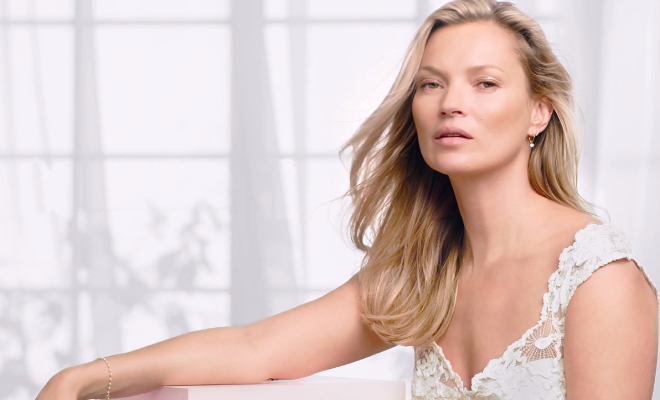
Kate Moss. Photo: Crooked House Films, Wikimedia Commons, CC BY 3.0
Kate Moss remains the face of an era still copied. In 2026 she is not chasing volume, but she keeps leverage through her own projects and rare, loud campaign cameos. Her wellness and beauty brand stays in the conversation, and Moss still lands on lists of fashion’s most influential figures. She once rewrote beauty standards, and that shockwave has not faded.
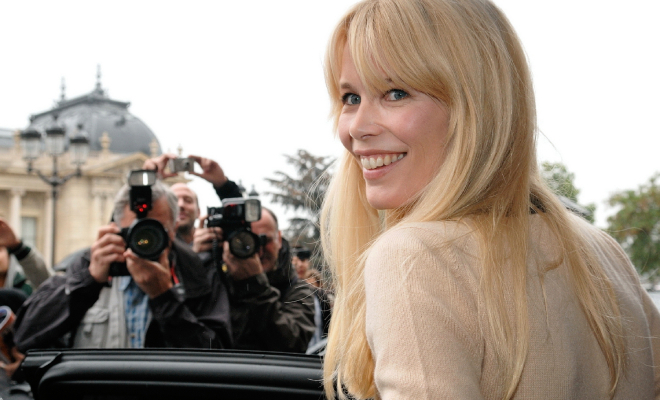
Claudia Schiffer. Photo: nicolas genin, Wikimedia Commons, CC BY-SA 2.0
Claudia Schiffer once made tens of thousands of dollars in a single shoot day, numbers that felt unreal in the ’90s. She lives more privately now, but she never fully left: collaborations, fashion archives, and occasional projects tied to the ’90s revival. Each appearance still spikes interest. Nostalgia sells.
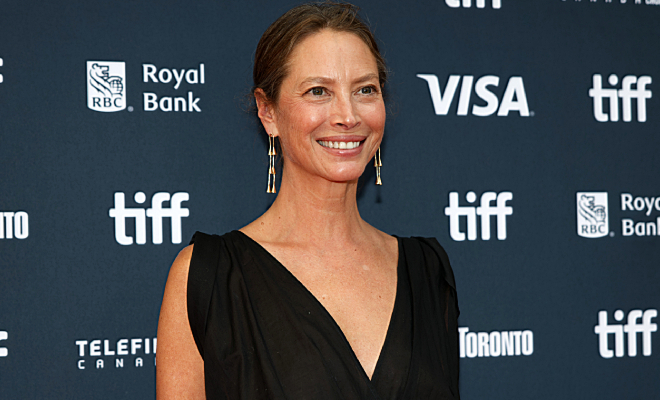
Christy Turlington. Photo: Kevin Payravi, Wikimedia Commons, CC BY-SA 4.0
Christy Turlington took a path gloss rarely owns. Her main focus is the nonprofit Every Mother Counts, built around maternal health. She never vanished: campaign returns still read as a quality stamp.
Turlington studied public health and puts that training straight into the work.
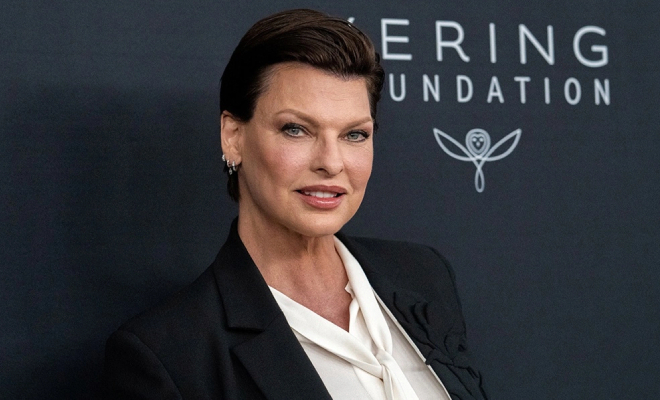
Linda Evangelista became one of the most discussed industry figures of the 2020s again, in a new register. After a long break she returned to public life and is easing back into shoots and projects. Her story shifted the talk on looks, age, and industry pressure, and she now stands for a comeback after a long disappearance.
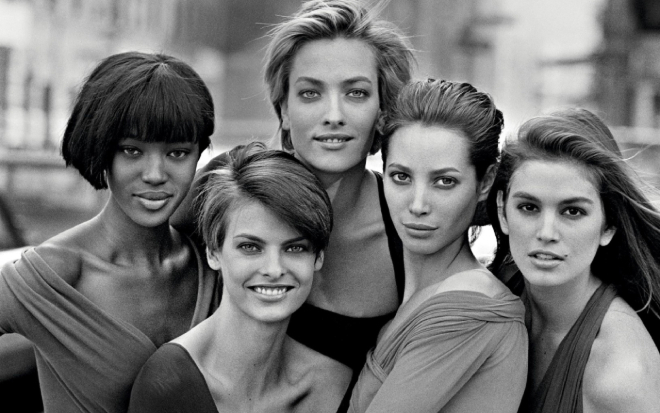
The paradox: they are in demand again, not as frozen “faces of an era,” but as brands with history. Fashion is mid another ’90s loop, and with it come the people who wrote the rules. They are not booked only for nostalgia. They still sell attention, style, and trust.
The bigger takeaway: unlike many stars of their moment, the “golden six” did not vanish after the peak. They rebuilt the career, and in 2026 they are still part of the industry that made them legends.