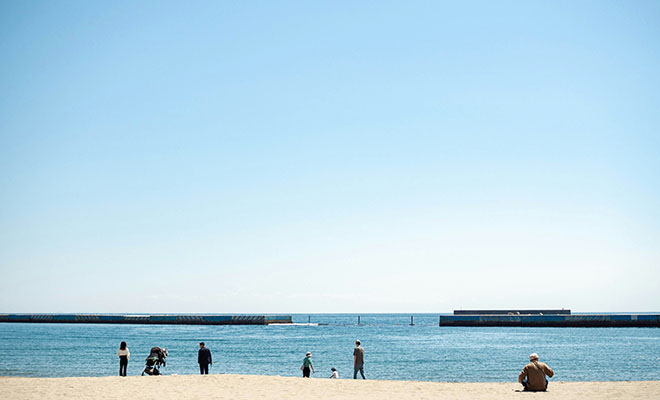
Empty beaches in the middle of a Japanese summer can leave tourists baffled. Visitors dive into turquoise water while locals watch from air conditioned cafes, looking more sympathetic than envious. The point is not modesty. Locals know what sits along those coasts, and that knowledge keeps them a safe distance from the water.
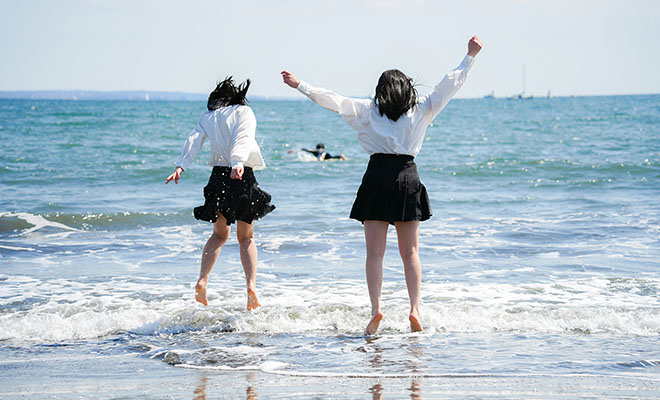
Kisharyo: an invisible attack under the skin
One biological reason Japanese swimmers stay cautious is captured in the word kisharyo. It refers to microscopic cercaria larvae that have adapted to the brackish water near river mouths. When the sea warms to a comfortable 25–27°C for people, parasite breeding season begins.
A quick swim can end with a light tingle that turns into grinding itch within hours. The larvae migrate under the skin and cause dermatitis that can ruin weeks of a trip. Warning signs are rare. Resorts often prefer not to scare visitors or dent the image of a perfect shoreline.
Gladiator fights with echizen kurage
From July through October, giant Nomura jellyfish, known locally as echizen kurage, push toward Japanese coasts. Specimens can reach two meters across and weigh around 200 kilograms. Stings are severe and, for people with allergies or heart conditions, can be fatal. Even when the giants are out of sight, torn tentacles in the water can still sting.
Currents and open ocean risk
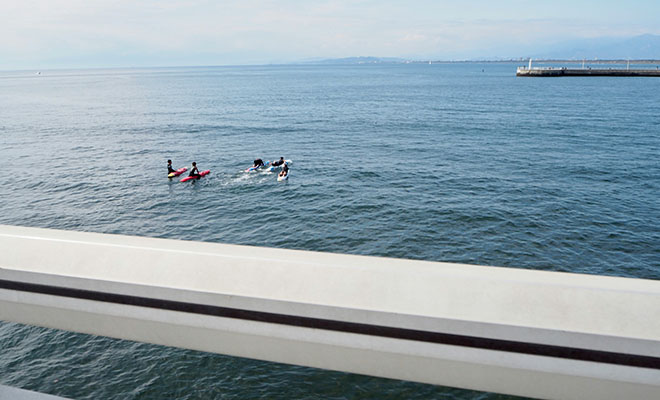
The archipelago sits among some of the most unpredictable coastal currents on Earth. The Pacific side mixes abrupt drop offs with heavy surf. On the Sea of Japan, rip currents can pull even a strong swimmer offshore in minutes. Safety culture runs deep, so many locals refuse to gamble a life on a swim in unmanaged water.
The ocean as memory and grief
Beyond physical danger sits a psychological barrier. Generations who lived through the 2011 tsunami still treat the ocean as a force that took thousands of lives. For many people, walking into the water feels like breaking mourning. In Miyagi or Fukushima prefectures you can find perfect sand and empty lots: people come to look and sit with the view, then leave without swimming.
Why tourists are not warned
Foreign visitors often read empty beaches as a quirk of national character. More often it is a form of Japanese courtesy. Why frighten a guest with parasites and killer jellyfish when they have already arrived and are happy to spend money onshore?
Locals let tourists enjoy the illusion of a safe paradise while they stay on solid ground.