Skip food for a day and the body does more than feel hungry. Cells shift into a cleanup mode that biologists call autophagy, a process that drew a Nobel Prize and now sits at the center of research on aging and immunity.
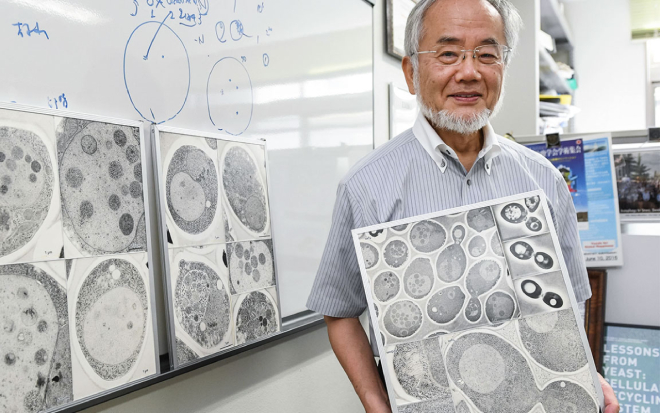
Japanese biologist Yoshinori Ohsumi won the 2016 Nobel Prize in Physiology or Medicine for mapping how autophagy works. The idea of cellular self-eating was not brand new, but his work showed the molecular steps in detail and made the mechanism usable for modern medicine.
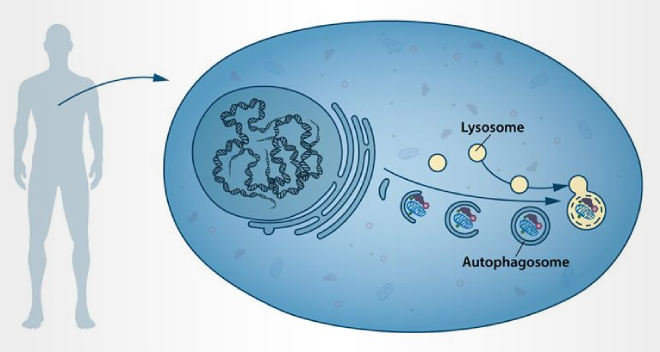
In plain terms, autophagy lets a cell break down damaged parts and reuse what it can. Think of it as an internal tidy-up that runs harder when nutrients run short. Stress is the trigger: fasting is one of the clearest ways to push that switch.
Under nutrient stress, autophagy ramps up. Cells conserve energy and clear some of the damaged structures they would otherwise keep around.
What a short fast actually does
Researchers link stronger autophagy to immune function and to diseases of aging, including type 2 diabetes and Alzheimer disease. That is why one-day fasting shows up in so many headlines. The mechanism is real. The miracle claims are not.
There is still no solid proof that a single day without food can radically extend lifespan. Moderate eating patterns that periodically limit calories do change metabolism and cellular housekeeping. That is a quieter finding, and a more honest one.
Fasting is not the only switch. Exercise and sleep quality also influence autophagy in current studies.
By 2026 autophagy remains one of the busiest topics in aging biology. Doctors still warn that even short fasts are a bad fit for many people with chronic illness or gut problems. The science is promising but it is not a DIY cure.