Beneath the Kola Peninsula lies the deepest point humans have ever reached. Soviet engineers drilled 12,262 meters into the Earth's crust, setting a world record that has stood for more than 35 years. Reaching the mantle seemed like the logical next step. Instead, both major efforts—Soviet and American—were abandoned. What proved stronger than modern technology, and why have we still failed to go deeper?
Why the USSR and US decided to drill into Earth
In the second half of the 20th century, scientists had almost no direct access to the planet's deep layers. Most knowledge of Earth's structure came from seismic data and rocks brought to the surface by natural processes.
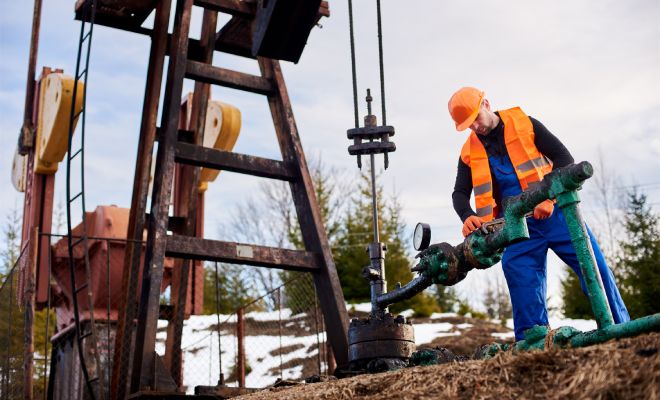
Photo by ArtPhoto_studio on Magnific
Superdeep boreholes promised actual rock samples from below, a way to test geological models, and direct evidence of what happens inside the planet at extreme depths.
During the Cold War, the projects also became showcases for the scientific capabilities of the USSR and the United States.
Kola Superdeep: an attempt to look inside the planet
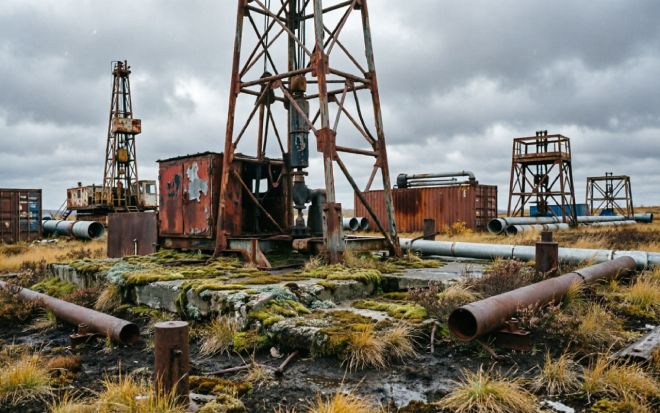
Drilling of the Kola Superdeep Borehole began on the Kola Peninsula in 1970. The site was chosen for its billion-year-old rocks, which were of exceptional interest to geologists.
Scientists initially hoped to reach about 15 kilometers. But the deeper the drill went, the harder the work became.
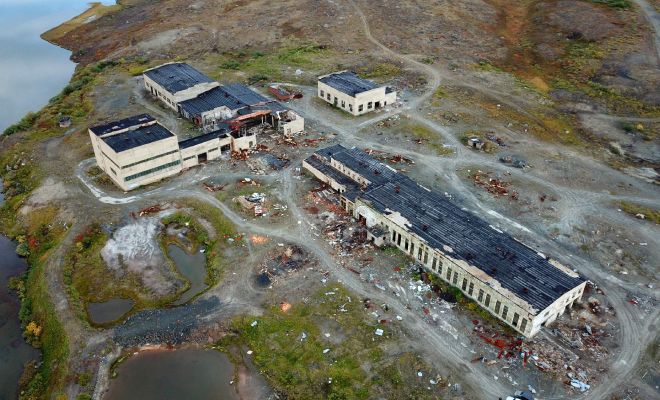
Photo: Evgeny Anatolyevich Shelkovnikov, CC BY-SA 4.0, Wikimedia Commons
In 1989, the borehole reached 12,262 meters. It remains the world record for vertical drilling. Beyond that point, however, the project ran into severe limits.
What stopped the drilling
The main problem was not the borehole's length but the conditions deep underground. Below 12 kilometers, temperatures reached roughly 180 °C—far higher than expected. Equipment wore out quickly, and drilling became increasingly difficult.
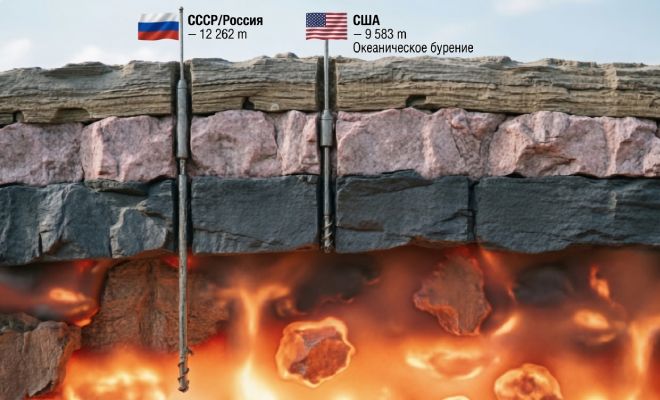
Rock at great depth also behaved differently from what scientists had predicted. Heat made it more plastic, severely complicating the drilling process.
Every additional section demanded more time and resources. Work stopped in the early 1990s, and the project was finally closed after the collapse of the USSR.
What scientists found in the Kola borehole
Despite ending early, the project produced major scientific results. Samples showed that the Earth's crust was more complex than expected. An older model that predicted clear boundaries between certain deep rock layers did not hold up.
Researchers also found water in deep fractures and signs of ancient life in rocks around two billion years old. Kola demonstrated that Earth's interior cannot be reduced to a simple diagram.
The US tried to reach the mantle through the ocean
American scientists launched their effort shortly before the Soviet project. Project Mohole aimed to drill through the ocean floor rather than a continent.
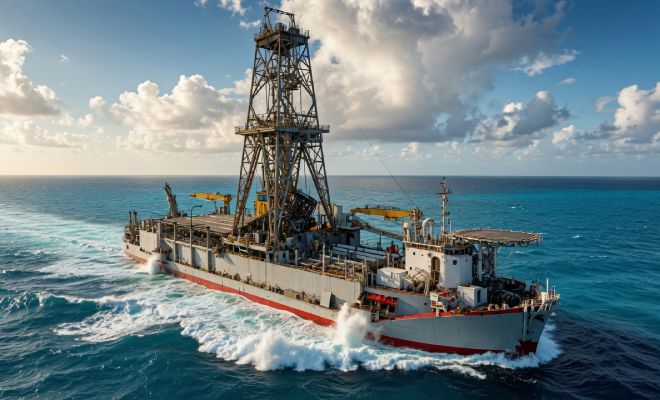
The logic was simple: oceanic crust is much thinner than continental crust, so the route to the mantle should be shorter.
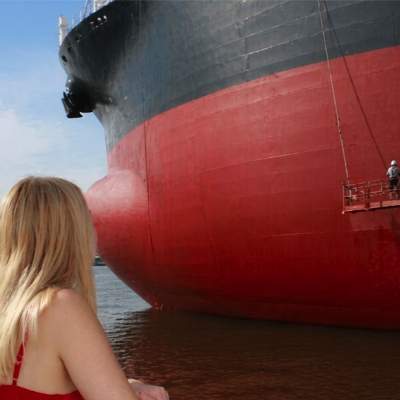
In the 1960s, engineers completed the first successful deep-drilling experiments from a ship. But the program grew too expensive, ran into technical problems, and was canceled before reaching its main objective.
Even so, the work became an important milestone in the development of modern scientific ocean drilling.
Why no one has reached Earth's mantle
Technology has advanced enormously in the decades since, but deep drilling remains one of engineering's hardest challenges.
The main obstacles have not changed:
- extreme heat;
- immense pressure;
- equipment failure;
- changing rock behavior at great depth.
The deepest human-made borehole reaches 12,262 meters. Earth's radius is about 6,371 kilometers, and beneath the continents the mantle is still tens of kilometers farther down.
A new attempt to reach Earth's depths
The ambition to recover mantle samples has not disappeared. International researchers continue to develop deep-ocean drilling projects, including the MoHole to Mantle initiative.

Photo by fanjianhua on Magnific
Researchers are considering areas where oceanic crust is especially thin. Yet building equipment capable of operating at such depths remains an enormous technical challenge.
The Kola Superdeep Borehole showed that the obstacle to exploring Earth is not a shortage of bold ideas but hard physical limits. Humans drilled only 12 kilometers down, yet that was enough to reshape scientific understanding of our planet's interior.