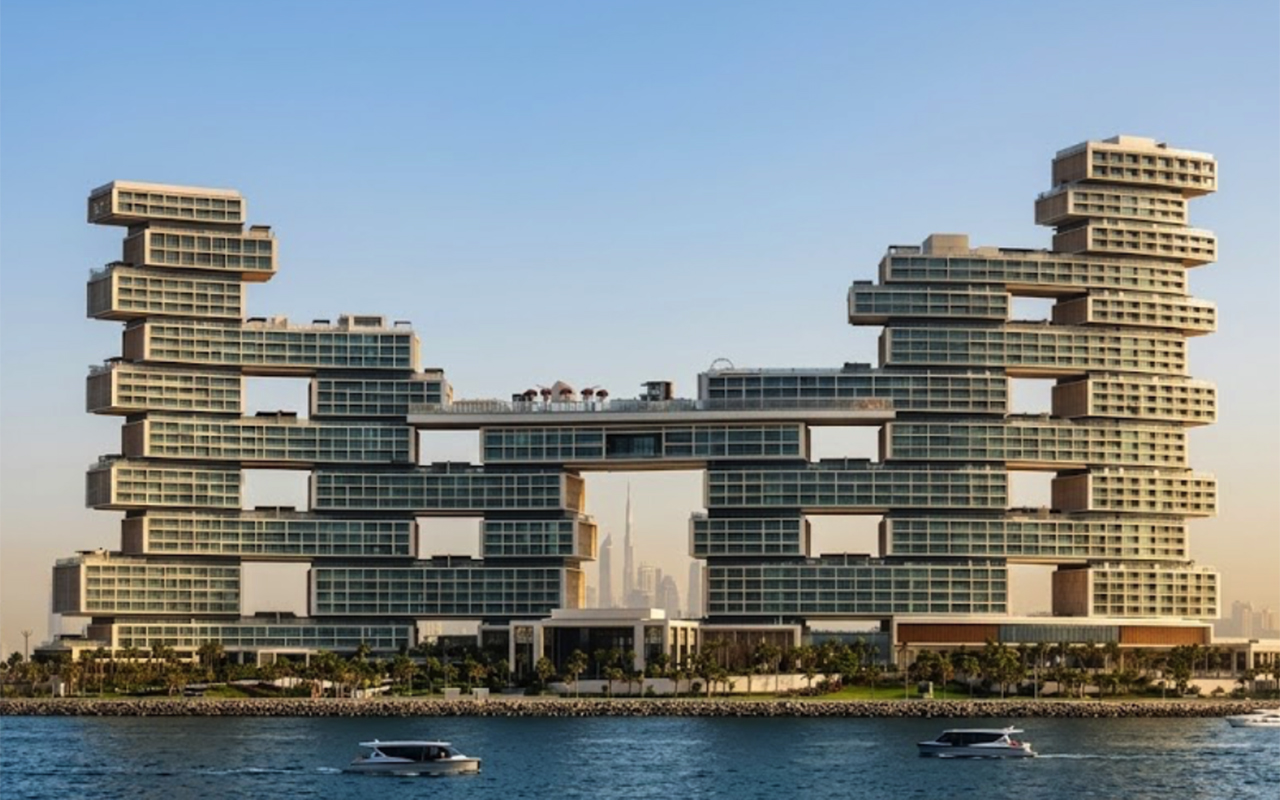
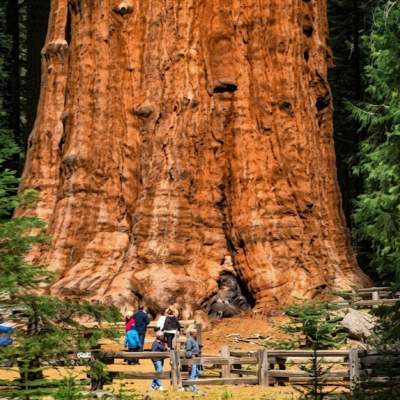
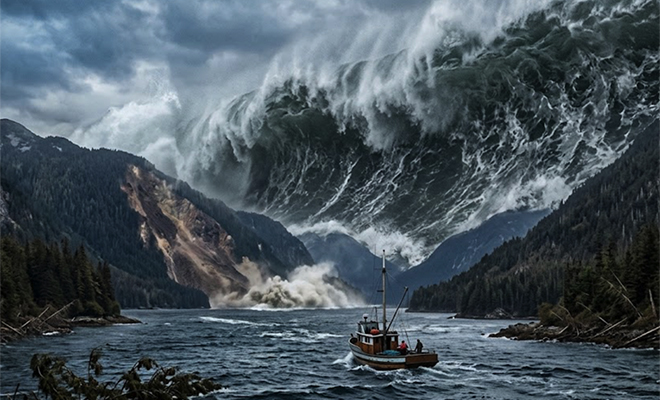
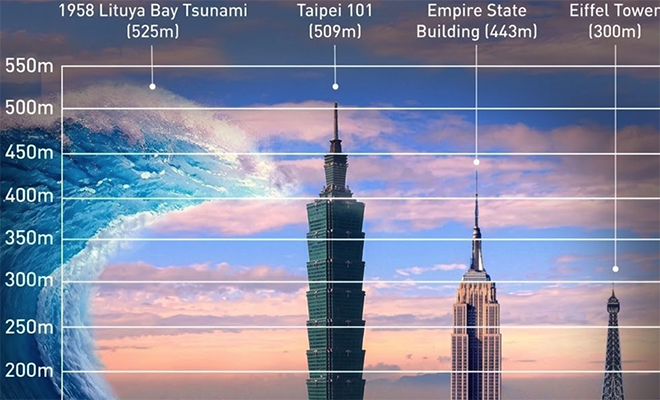
On July 9, 1958, a wave 524 meters high rose in the narrow Lituya Bay on Alaska. That is the absolute record in the history of observations: the wall of water stood taller than the Eiffel Tower and any skyscraper of the era.
How a Mountain Collapse Triggered a Giant Wave
It began with a powerful magnitude 8.3 earthquake. The tremors triggered a massive landslide on a steep mountainside directly above the bay.
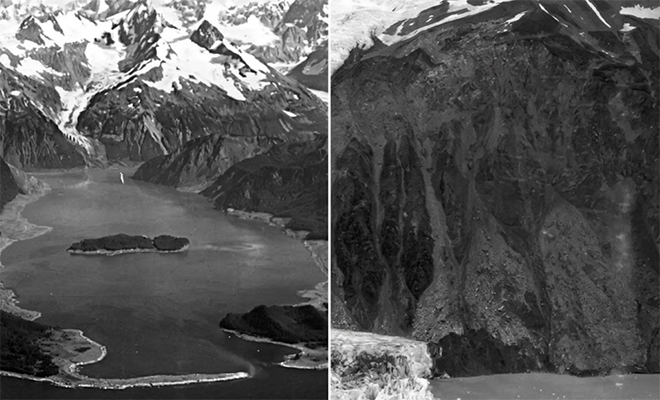
From a height of about a kilometer, part of the mountain crashed into the water instantly:
- Volume of rock: Roughly 30 million cubic meters of stone and ice poured into the bay.
- Force of impact: The huge mass acted like a piston, pushing water upward.
- Speed of movement: The wave raced through the bay at more than 160 kilometers per hour.
Why the Water Rose Half a Kilometer
The record height is explained by the shape of the bay itself. Lituya is a narrow T-shaped fjord 14 kilometers long, with high mountain ridges on both sides and a shallow outlet to the ocean.
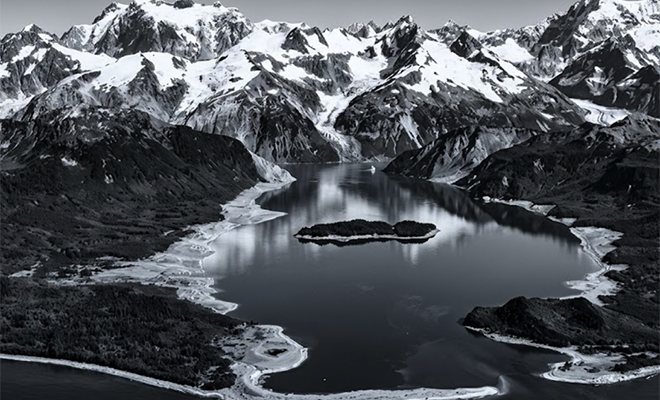
When millions of tons of rock collapsed into that confined space, the displaced water had nowhere to go. The powerful surge hit the opposite mountainside at full force and completely stripped century-old forest and soil at 524 meters above sea level. The sharp line where the wave cut the trees is still visible in aerial photos today.
Miracle in the Bay: How Witnesses Survived
Three small fishing boats were in the bay when the collapse happened. The story of one boat's survival seems unbelievable — but the facts support it.
Fisherman Howard Ulrich, with his seven-year-old son aboard, reacted in time and steered straight toward the approaching wall of water. The boat broke free of its anchor, was lifted by the wave, carried over the treetops onto a sand spit, and then thrown into open ocean. Father and son survived. The other two boats fared worse.
The Lituya Bay megatsunami showed that with the right terrain and landslide force, nature can create waves against which no infrastructure stands a chance.