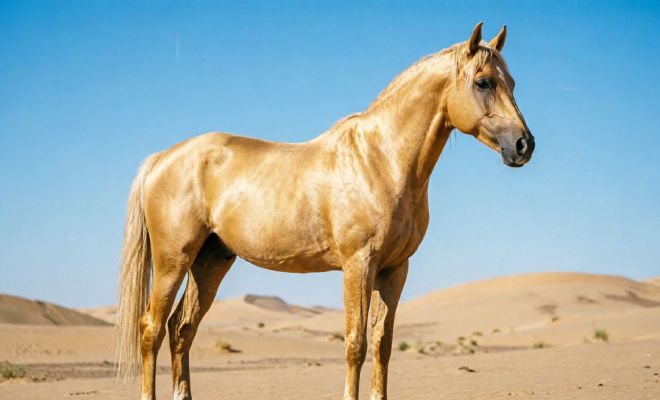
They look as though they have been dipped in gold. In sunlight, some Akhal-Teke coats gleam like metal, while fine skin and an unusual silhouette make the horse seem almost unreal. Yet behind that striking appearance is no decorative breed: for centuries these animals were bred in Central Asia for speed, stamina, and long desert journeys. Here is why Akhal-Teke became among the rarest and most recognizable horses in the world—and what they actually cost.
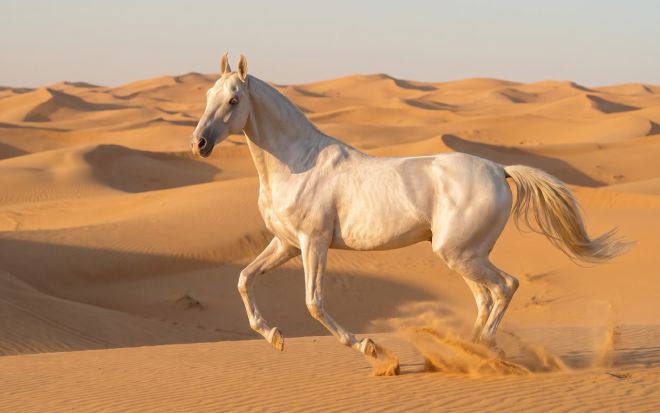
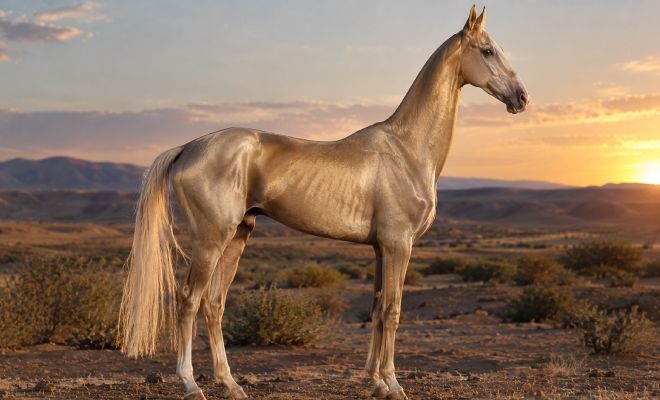
The Akhal-Teke breed is tied to the territory of modern Turkmenistan. Local tribes bred its ancestors for reliable riding horses suited to life in deserts and steppes. That shaped a distinctive type: long neck, tall legs, lean body, thin skin, and short coat. Next to heavy draft horses, an Akhal-Teke can look almost fragile—yet that build is exactly what kept it fast and enduring.
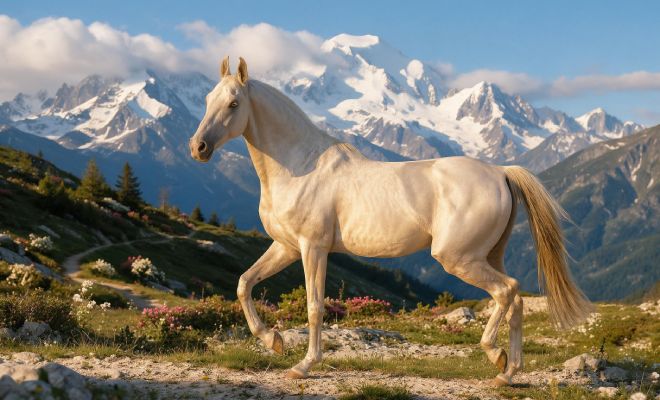
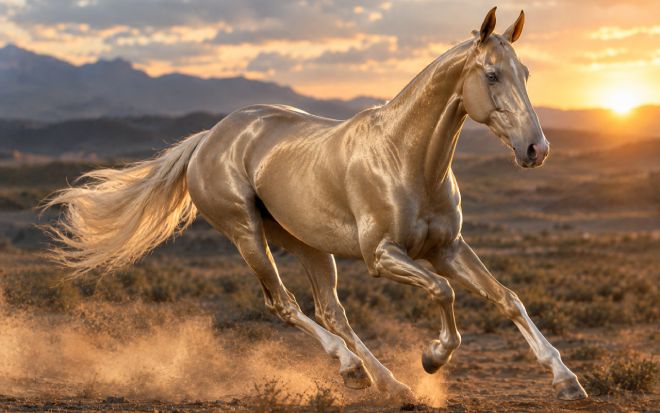
The breed’s best-known trait is the metallic sheen of its coat. It is especially dramatic on some buckskin and dun horses. Light reflects off the hair in a particular way, creating the impression of a gold or bronze surface. There is no separate “golden pigment” here: the visual effect comes from hair structure and coat genetics. So a golden Akhal-Teke is not a separate variety, but a fitting description of an especially striking individual.
The breed’s real reputation did not come from photographs. In 1935, Turkmen riders set out from Ashgabat to Moscow. Over 84 days they covered about 4,300 kilometers, including a grueling crossing of the Karakum Desert. That ride became one of the best-known tests of Akhal-Teke endurance.
The breed also has an Olympic history. The stallion Absent, son of the Akhal-Teke Arab, won gold in dressage at the 1960 Rome Games under Sergey Filatov. Four years later in Tokyo he took bronze. An Akhal-Teke, often imagined only as a desert runner, proved capable of competing on the world’s biggest sporting stage.
Today the exact number of Akhal-Teke horses worldwide is unknown: there is no single international breed census. The total runs to a few thousand animals, so the breed is genuinely scarce. The price of any given horse depends on pedigree, age, training, sport results, and breeding value. Meanwhile, popular stories of Akhal-Teke selling for several million dollars lack enough evidence to count those sums as established records.
For Turkmenistan, the Akhal-Teke has long been more than a horse. In 2023, UNESCO added the traditions of breeding and keeping Akhal-Teke horses to the list of intangible cultural heritage of humanity.
The golden sheen made these horses famous, but it explains only part of the story. Behind the unusual coat lies a breed shaped by deserts, long roads, and harsh selection. Perhaps that is why the Akhal-Teke still looks less like an ordinary horse and more like an animal from another era.