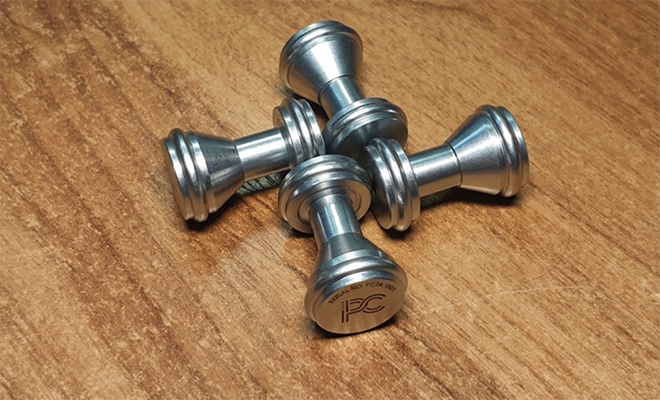
The Blonde bullet is one of the most unusual and effective rounds ever made for smoothbore weapons. Created during World War II not for hunting but for partisan sabotage, this steel “spool” permanently changed how people think about smoothbore bullet aerodynamics.
Origin Story: A Partisan Commission
In the 1940s, French Resistance fighters (maquis) faced a severe shortage of heavy weapons. They had plenty of ordinary hunting shotguns, but lead shot and classic soft bullets could not stop Wehrmacht military vehicles.
French engineer and Resistance member Pierre Blonde was given a task: develop a smoothbore shotgun round capable of disabling automobile engines, puncturing tires, and penetrating light armor.
Design of the “Spool”
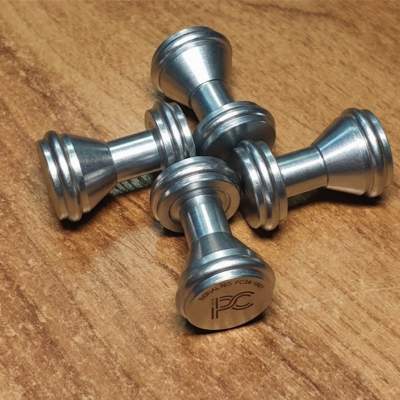
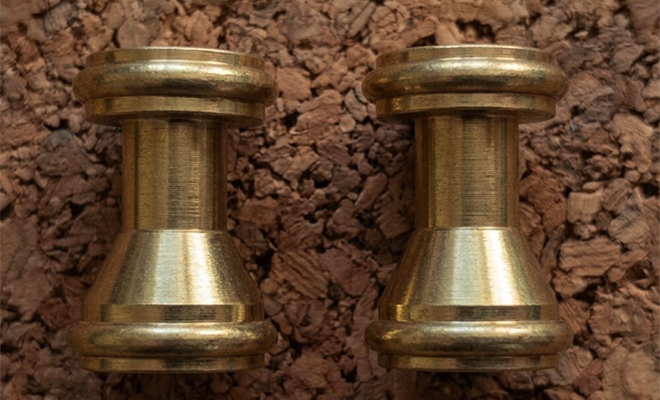
Blonde abandoned the familiar teardrop shape and soft lead entirely. The result was a steel projectile that looked like a sewing spool or an hourglass.
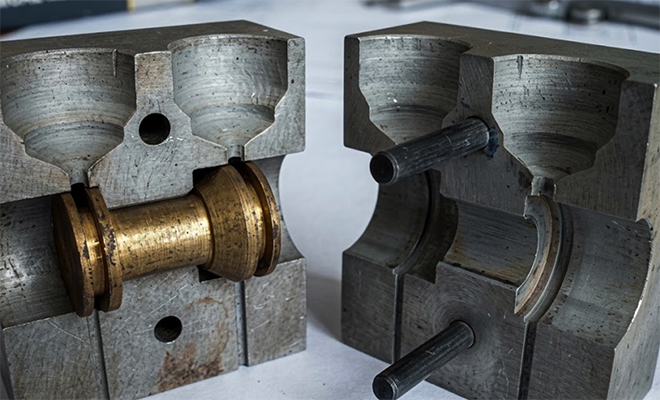
- Body material: The bullet was turned on a lathe from steel (brass and bronze were used later).
- Lead bands: To keep hard metal from damaging smooth barrel walls and chokes, two soft lead rings were pressed onto the body. They centered the bullet and sealed propellant gases.
- Flat nose: The front face was cut perfectly flat — eliminating ricochets when hitting sloped armor at sharp angles.
Ballistics: Aerodynamic Self-Stabilization
The Blonde’s main secret is stable flight without rifling. Stabilization comes from a difference in aerodynamic pressure.
- Oncoming airflow creates high pressure in front of the flat nose and rushes along the waist toward the tail.
- Hitting the flared rear section, the airflow “stretches” the bullet and keeps it nose-first.
- If the bullet tries to yaw off course, air pressure on the rear flange instantly pushes it back onto its trajectory.
Combat Use and Hunting Legacy
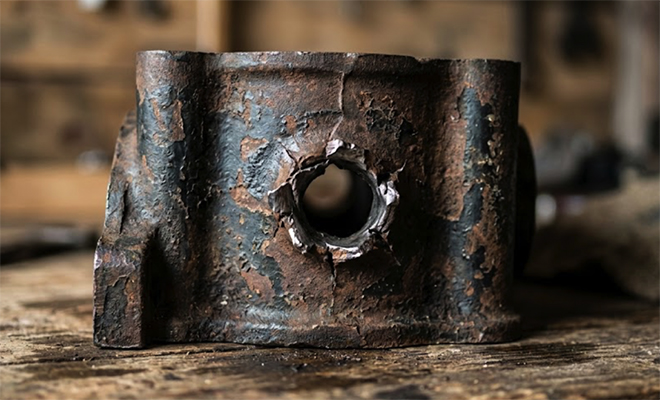
In wartime the round proved reliable: a shot from a 12-gauge shotgun easily punched through a truck hood, cracked a cast-iron engine block, and stopped vehicles.
After the war hunters quickly recognized the Blonde bullet. It became indispensable for shooting large game (wild boar, elk) in dense brush, reeds, and undergrowth. Unlike lead slugs, the steel “spool” does not deform from branch impacts and does not deflect off target.
In the USSR, Blonde’s design inspired engineers to create their own popular analogues — notably the Rubeykin bullet and the Bublya bullet.