The most expensive natural material on the planet is not a rare mineral or a precious metal, but chips from a diseased Asian tree. For one gram of wild wood called kyara (or kinam), collectors and Gulf buyers will pay up to $10,000, roughly 100 times the price of pure gold. That cosmic price comes from a rare natural coincidence: the value is not the tree itself, but its immune reaction to an infection stretched across centuries.
A disease worth a fortune: how an ordinary tree becomes kyara
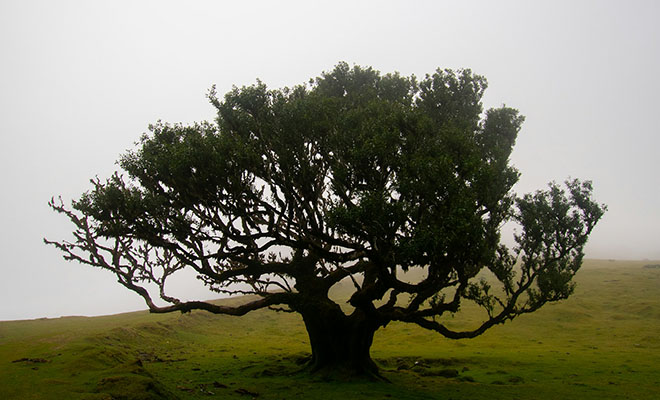
In the forests of Southeast Asia grows aquilaria. Healthy, its wood is soft, pale, and useless for perfume, good only for small craft. Everything changes when lightning, a storm, or insects wound the trunk and let in a specific fungus, Phialophora parasitica.
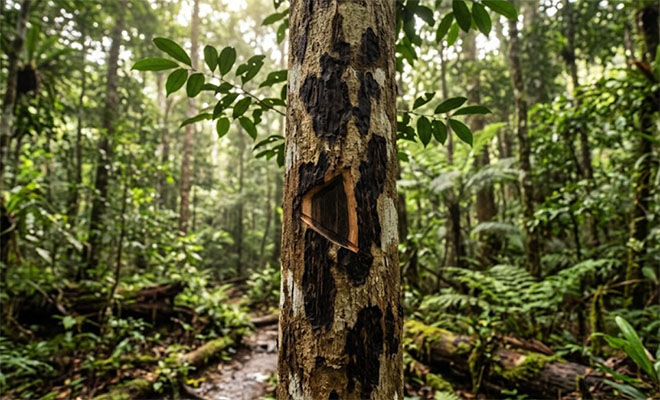
Trying to fight the parasite, aquilaria starts to secrete a thick, dark, highly aromatic resin. Over years the resin soaks the heartwood, turning light timber into a heavy, dark, dense mass.
- Healthy aquilaria: white, light wood with no scent and no commercial value.
- Ordinary oud (agarwood): wood lightly infected for 10 to 15 years. Costly perfume material, still reachable for niche brands.
- Kyara (kinam): the highest stage of infection in a wild tree, matured over 100 to 500 years. Resin fully replaces the wood structure and creates a scent profile no lab can synthesize.
What kyara wood costs
The kyara market left ordinary commodity trading long ago and moved into closed auctions. In Shanghai a two-kilogram fragment of ancient wood sold for almost $18 million. In another case a 16-kilogram piece more than 600 years old brought over $20 million.
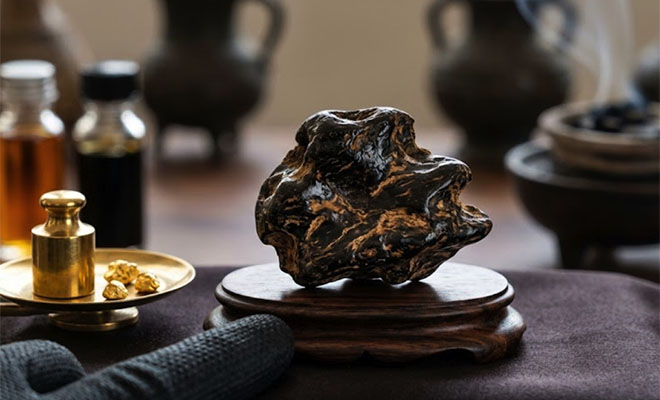
The largest and most valuable wild kyara specimen today sits in Cambodia’s Wat Bang Kradan temple. The ancient trunk is guarded not only by monks but by armed army units. Asian media reported that Japanese investors offered $23 million in cash for the relic; the abbot refused to sell the sacred wood.
Wild aquilaria trees are now under strict CITES protection and have nearly vanished from the wild. Chemists’ attempts to recreate kyara’s key molecules in the lab have not succeeded so far.