The endless fight over who looks better, blondes or brunettes, got an unexpected scientific angle. Researchers say attractiveness is less about personal taste and more about basic rules of human vision. Dark hair works like a natural contrast filter that instantly makes facial skin look smoother, even, and better cared for.
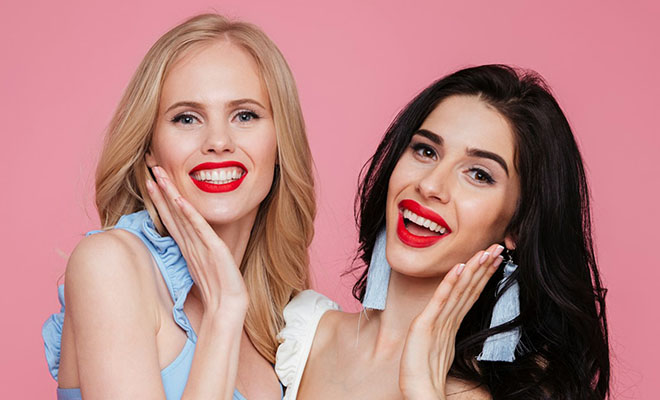
Optical contrast
In two experiments scientists tested how background and hair color change how the same face is read. Participants saw identical portraits with only hair brightness and backdrop color changed.

In the first test, faces on a black background were judged to have smoother, cleaner skin than the same image on a beige or flesh-toned backdrop. In the second, researchers darkened the models’ hair, turning blondes into brunettes. The same face with dark hair was steadily rated more attractive and as having a more flawless skin tone.
Who wins, blondes or brunettes
In neurophysiology the effect is linked to contrast enhancement. The brain judges skin quality against adjacent edges: brows, lips, eyes, and the hair frame.

When light skin meets dark brunette hair, the high contrast visually softens fine pigment spots, redness, and surface unevenness.
With blondes the gap between skin tone and light hair is small, so tiny facial flaws stand out more. That is why brunettes often seem more beautiful to many people.
For centuries people used this optical trick in everyday grooming. Dark eyeglass frames, strong eyeliner, contrast brow color, and choosing a darker hair shade all aim at one goal.
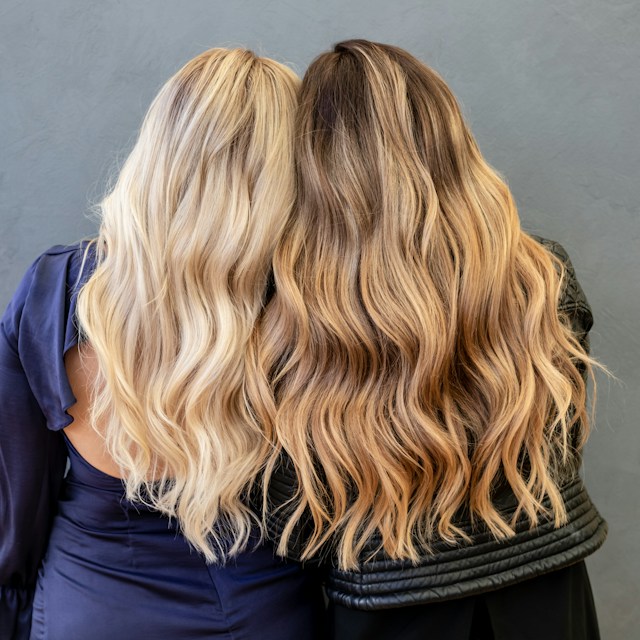
They build an artificial gradient that pushes another person’s vision to read facial skin as younger and healthier.
Keep in mind this is only a scientific reading. Beauty still sits mostly in the eye of the beholder.