The history of the male beard swings like a pendulum between “wild” and “civilized.” On paper it is just facial hair. In sport and business it became luck charm, status marker, and sometimes a quiet psychological edge.
The playoff beard
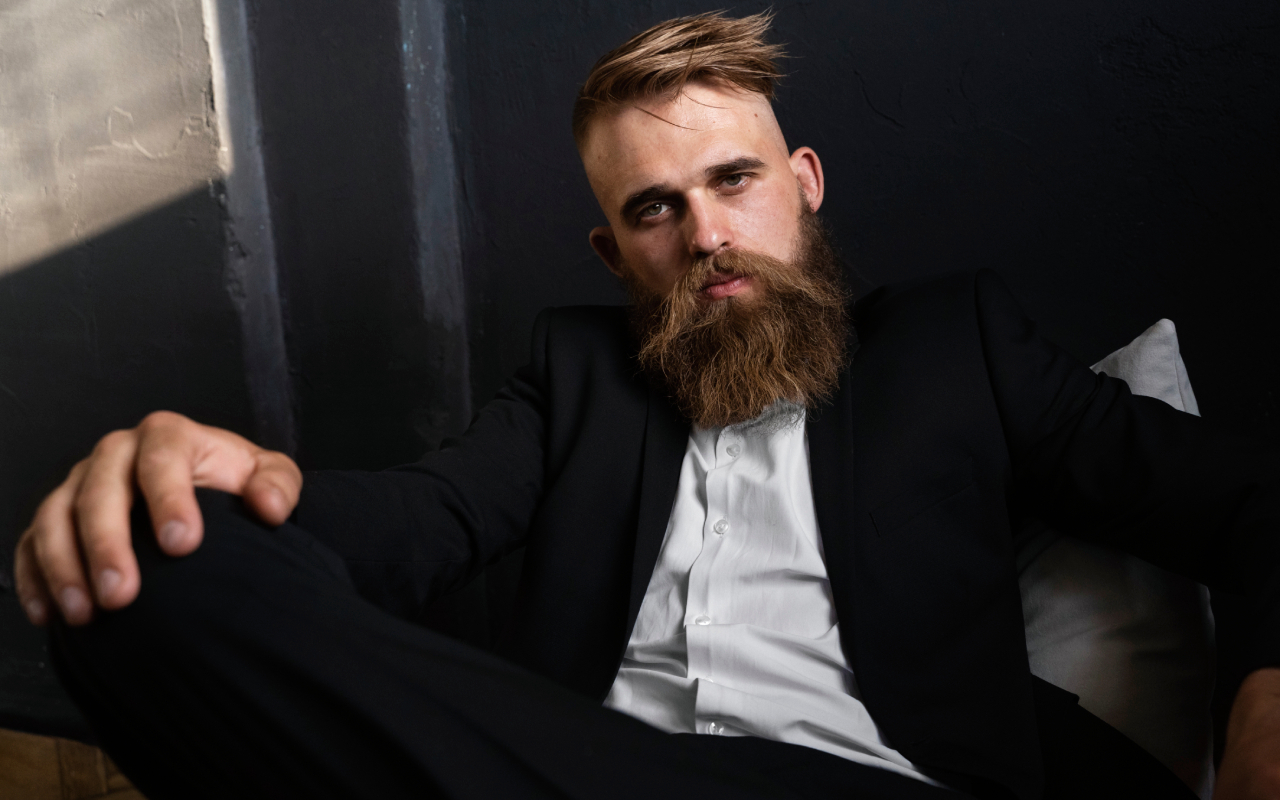
Hockey owns the most famous no-shave ritual. English even named it: the playoff beard. In elimination series, players skip the razor until they hoist the cup or get eliminated. Athletes are a superstitious lot, and any lucky coincidence hardens into a rule.
 1.jpg)
The origin story usually points to the early-1980s New York Islanders. Four games in five days left no time to shave. They won the Stanley Cup that run, then three more in a row. The habit stuck across the NHL and later in the KHL.
What started as superstition became team glue: a daily reminder of the season’s goal and a visual signal of unity. Some also argue a beard reads as higher testosterone and physical presence before the puck drops, a soft edge before the hard check.
From Wimbledon to the octagon
In the late 1970s Björn Borg stopped shaving before Wimbledon. Joke or not, he won five straight titles there. By 1981 Sports Illustrated ran the line “The beard has begun” for the tournament’s opening.
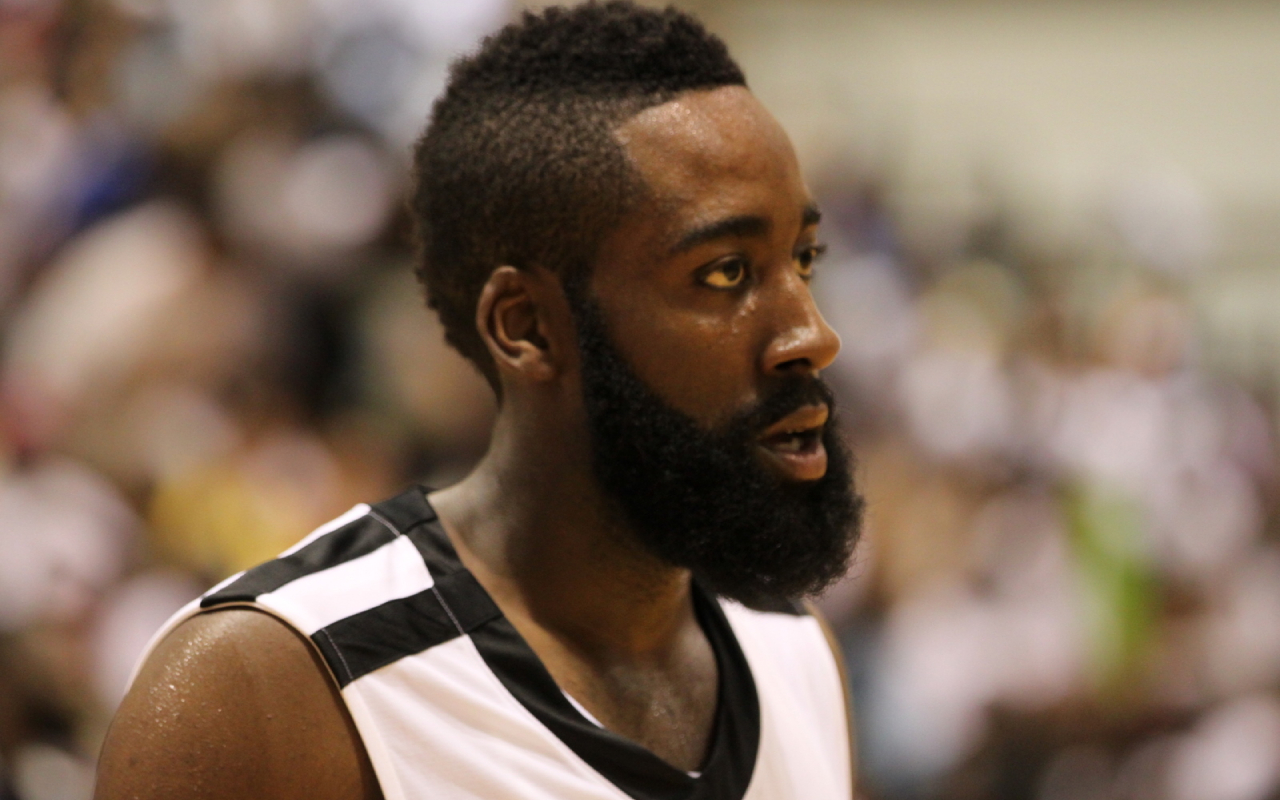
For others the beard became a brand. James Harden grew his in 2009 mostly out of laziness. It turned into one of the NBA’s most recognizable looks.
Former UFC champion Conor McGregor flipped the script: a trimmed, calibrated beard with three-piece suits as status grooming, projecting confidence and control.
Fans remember the “mustache of hope” too. Ironic support for Russia coach Stanislav Cherchesov at the 2018 World Cup became a stadium flash mob of real and fake mustaches as the host side reached the quarterfinals.
Beards in business
Corporate stereotypes ran the other way for decades. In twentieth-century U.S. and European offices, a clean shave signaled reliability. A beard could read as too free, not corporate enough.

In startups and creative shops the garage-geek look flipped the code. A beard can signal independence and non-linear thinking: results first, dress code second.
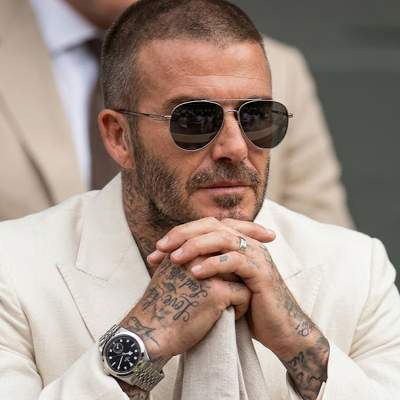
Psychologists link a well-kept beard with maturity, dominance, and status. A neglected one reads as low self-control. Growing hair is easy. Keeping lines sharp, using oils, and seeing a barber is the real ritual.