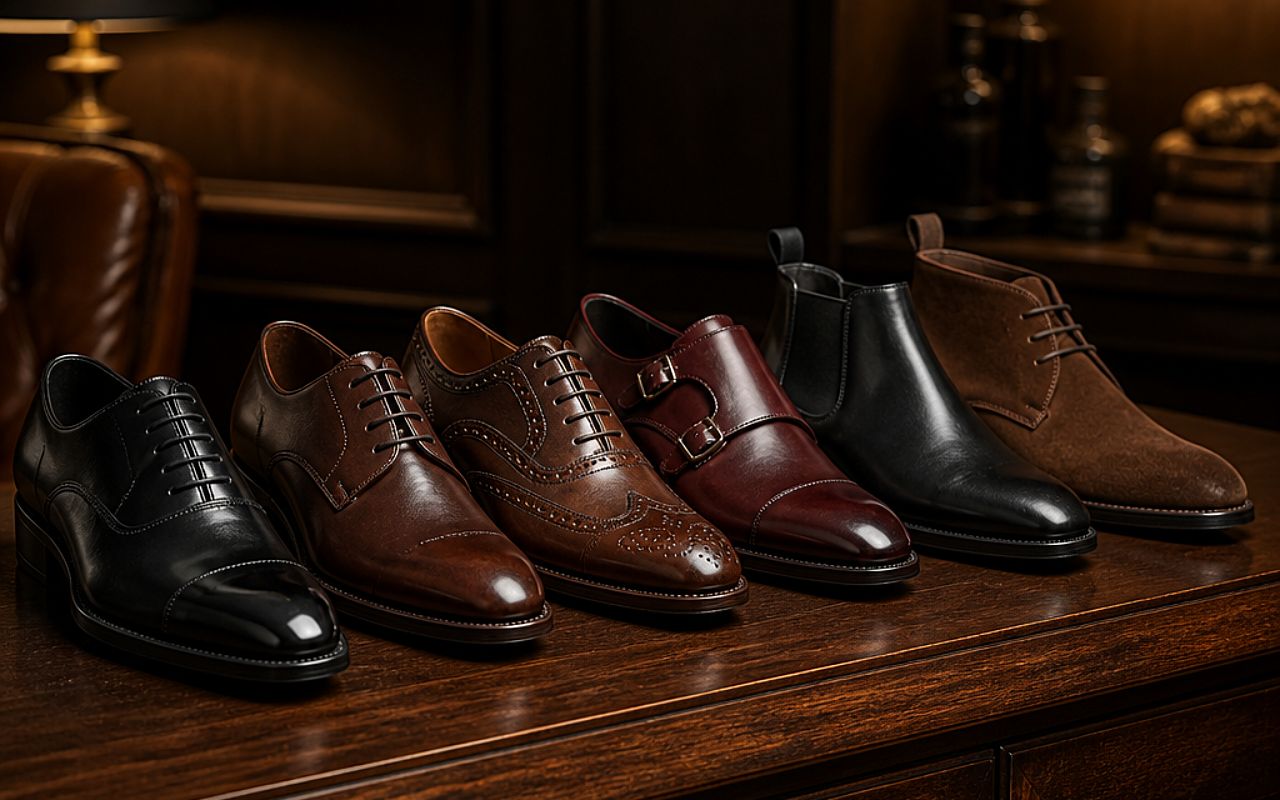
The backpack stopped being just tourist or school gear long ago. It now holds a laptop, charger, documents, headphones, and half a workday. But picking the right model is harder than it looks: brands promise rain protection, anti-theft design, ultra-durable fabrics, and dozens of pockets. Here is what actually matters — and what exists mainly for a pretty product description.
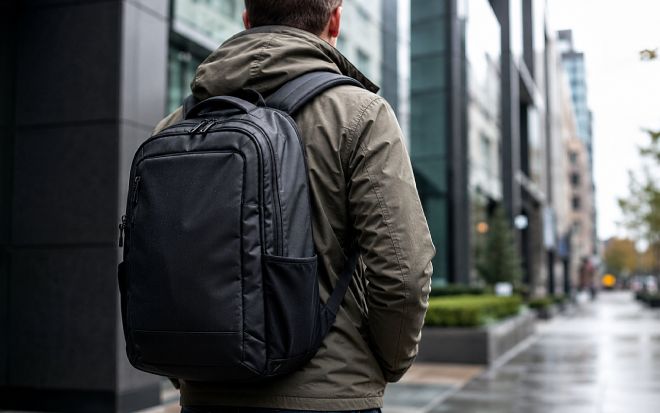
Do Not Start with Capacity
30 liters sounds more impressive than 20, but that is not a reason to buy bigger. For city use, maximum volume matters less than how well the interior is organized.
If you carry a laptop, documents, a charger, and a water bottle, you do not need an expedition duffel. A good urban backpack should let you grab what you need quickly and not turn contents into one big pocket chaos.
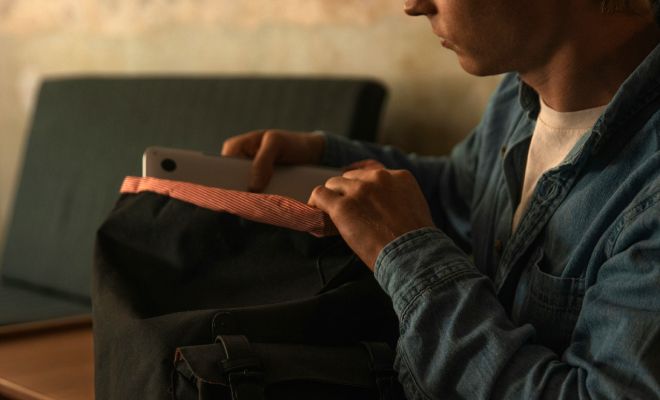
Before buying, mentally load the bag with everything you carry daily. If half the space stays empty, extra liters are pointless.
The Laptop Sleeve Should Protect — Not Just Exist
A label that says fits 16-inch laptop tells you little. What matters is padded walls and how far the compartment sits from the bottom of the bag.
That last point is especially important: on impact, the bottom takes the hit. A separate sleeve that ends above the base is more useful than a nice tag with a screen size.
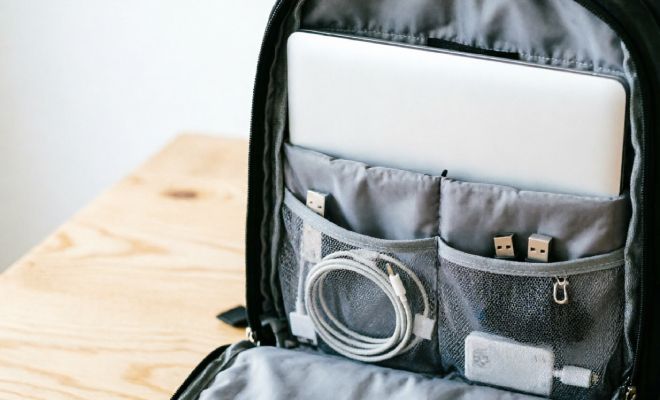
Always check your laptop's actual dimensions. Two models with the same diagonal can differ noticeably in size.
Straps Matter More Than Half the Tech Features
The most advanced zipper on earth will not save a backpack that sits badly on your back.
Try it on with weight inside, not empty. Straps should not dig into your neck, the body should not constantly pull backward, and the back panel should sit flush. Touring packs also account for torso length, but for an urban bag the test is simpler: if after five minutes you want it off, it is not your backpack.
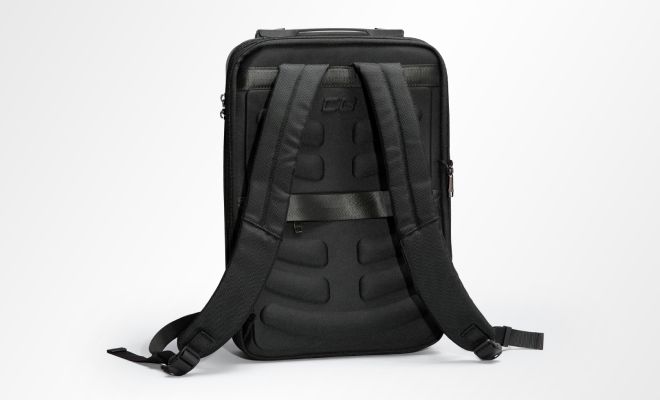
Hip belts are rare on city backpacks; when present, they usually add stability rather than serious load transfer.
YKK Is Good — but Not Magic
YKK branding on a zipper does appear on many quality bags. But it only identifies the zipper maker, not the quality of the whole pack.

YKK makes different zipper types, including AquaGuard with extra water resistance. Even that does not turn a backpack into a sealed container: water can still get in through fabric or seams.
When buying, check how smoothly the zipper runs, whether the pull catches, and how cleanly straps and handles are attached.
Water-Resistant Does Not Mean Waterproof
Marketing language plays hide-and-seek here especially often.
Water resistant usually means some moisture protection. That is not the same as waterproof. Real protection depends on fabric and coating, seams, zippers, and overall construction.
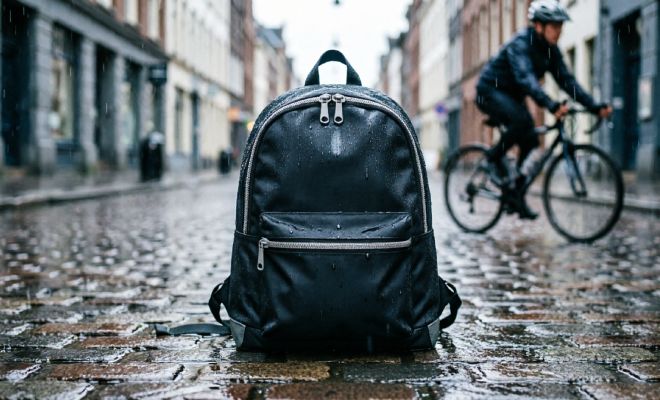
If you live in a city and walk from car to office, basic rain protection may be enough. If you bike or walk in all weather, requirements are different.
That is why paying extra for maximum water protection only makes sense if you will actually use it.
And Now the Main Part: What You Can Skip
A dozen pockets do not make a bag more convenient. A USB port will not charge your phone without a power bank. Anti-theft does not mean the bag cannot be opened. And a big number like 1680D on a label does not prove the model will survive the apocalypse.
What matters more are a few boring things: fit, decent zippers, strong stitching, protected tech compartment, the right capacity for you, and reasonable weight.
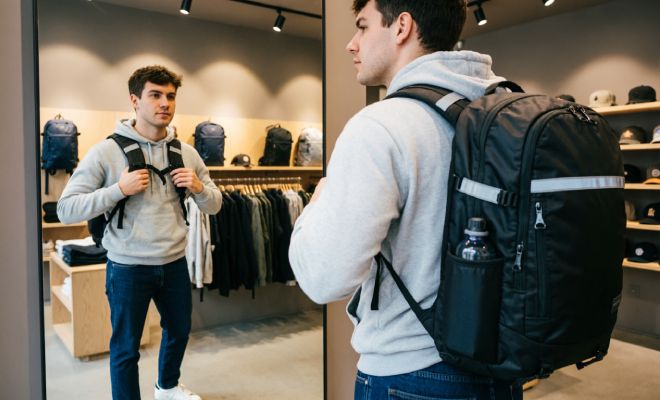
There is a simple five-minute test. Load the bag with your gear, put it on, walk, pull out the laptop, open pockets, zip and unzip several times. If something annoys you in the store, it will not get nicer after a month of daily use.
A good backpack should not constantly remind you it is there. You put it on and get on with your day. Everything else is marketing.